
Style guide
Classic and traditional blinds, curtains and shutters
A classic and traditional look at the window is usually about balance, tailoring and a bit of formality. Think warm wood tones, soft neutrals, damask and botanical patterns, pleated headings and shutters that sit neatly within period-style openings. Made-to-measure helps because older houses rarely give you identical windows, and details such as bays, sashes and slightly uneven reveals benefit from a proper measure. With the right scale, lining, fold or louvre layout, the window dressing can sit comfortably with cornicing, panelling, fireplaces and traditional furniture rather than feeling too plain or too modern.
- warm cream
- ivory
- taupe
- deep berry
- chestnut
- oak
- sage green
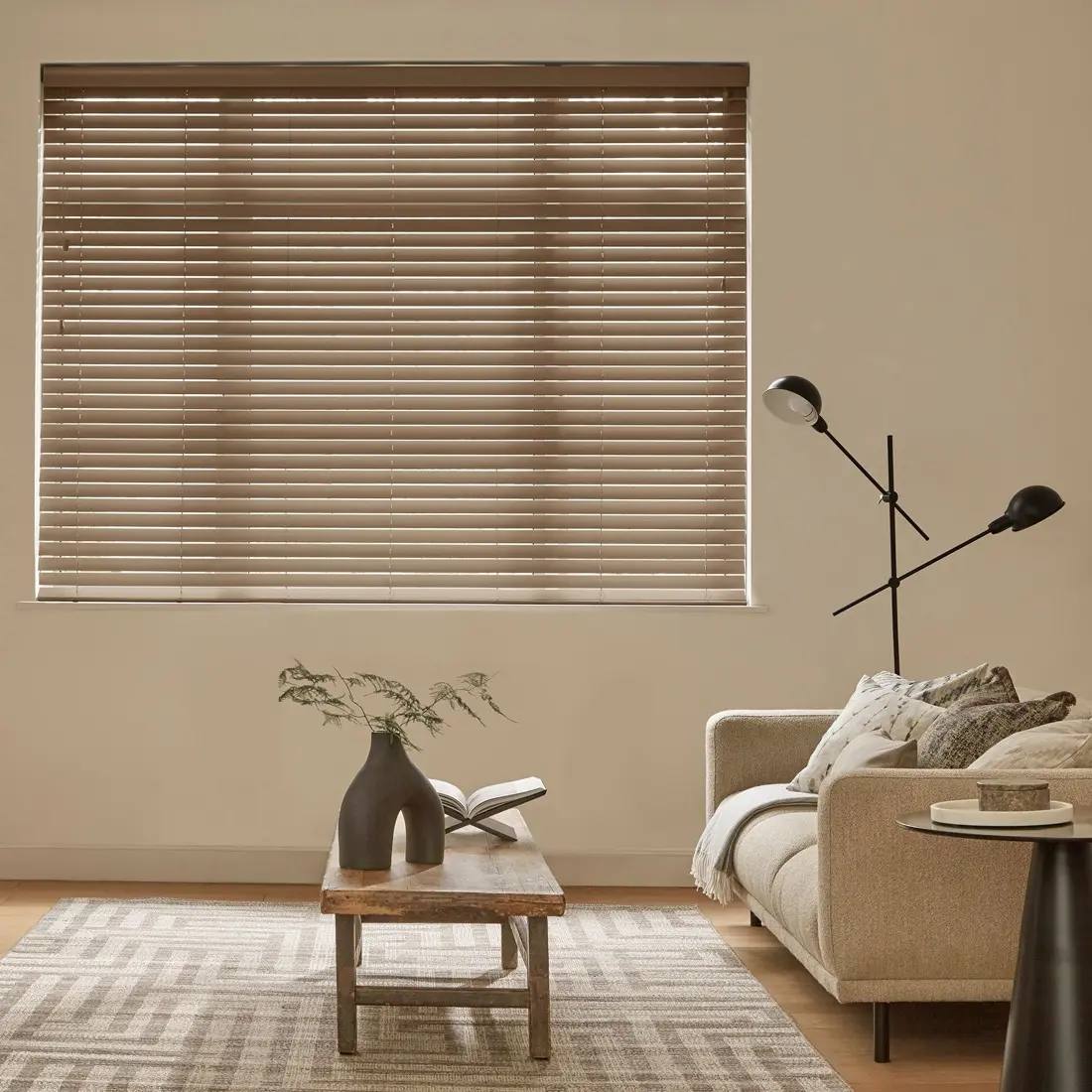
Made-to-measure blinds for a classic and traditional look
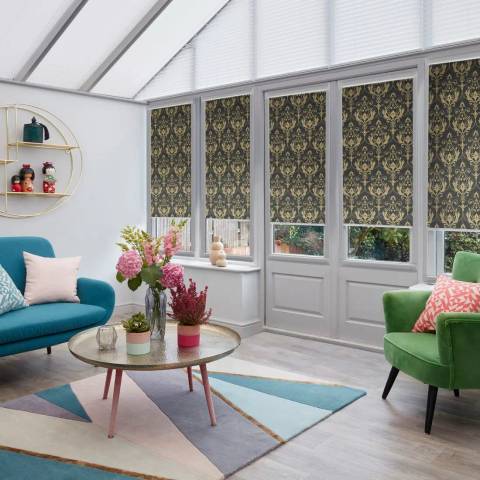
For a more traditional room, Roman blinds are often the neatest starting point because the folded shape feels tailored rather than casual. Damask, botanical and small-scale geometric designs work well here, as seen in Cassis and several EB Roman Blinds designs. If you prefer slats, wooden and wood-effect Venetians such as Abberley or Cherry Venetian Blinds bring warmth and structure, especially in studies, dining rooms and period-style kitchens. For softer pattern without full curtains, Coralie shows how a subtle motif can still feel formal enough for a classic scheme.
Types that suit it: Roman blinds, wooden blinds, Venetian blinds, vertical blinds.
Wooden blinds
Abberley
The rich wood tones and tailored horizontal slats suit period and traditional rooms
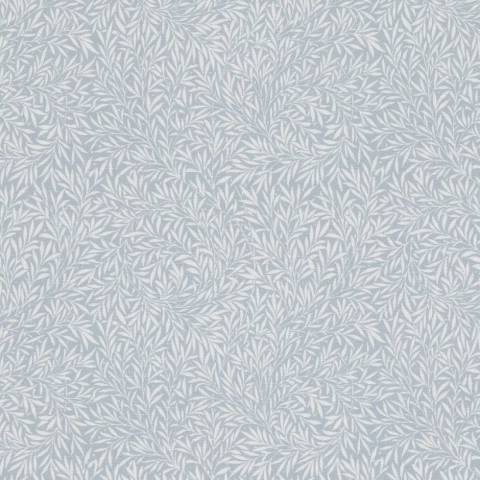
Roller blinds
Aspen
The willow-leaf design and tailored pinch pleats have a period, heritage feel
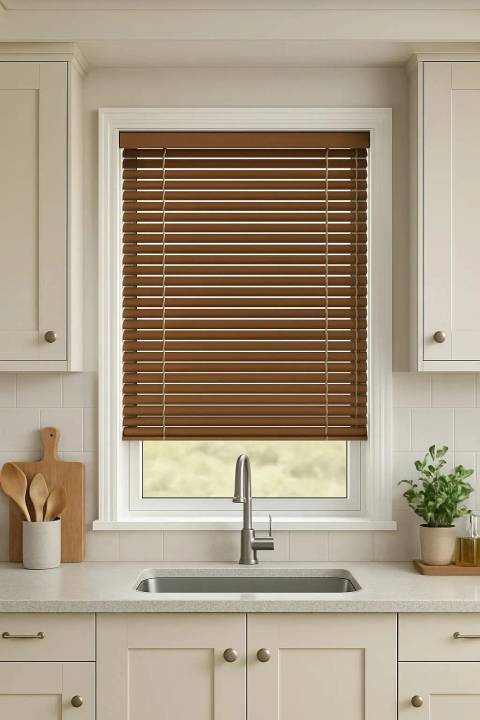
Venetian blinds
Bronze Metal Venetian Venetian Blinds
The warm wood-tone slats and tailored tapes suit period and traditional kitchens
Blinds
Cassis
The damask scroll pattern and rich ground colours are a traditional, tailored look
Venetian blinds
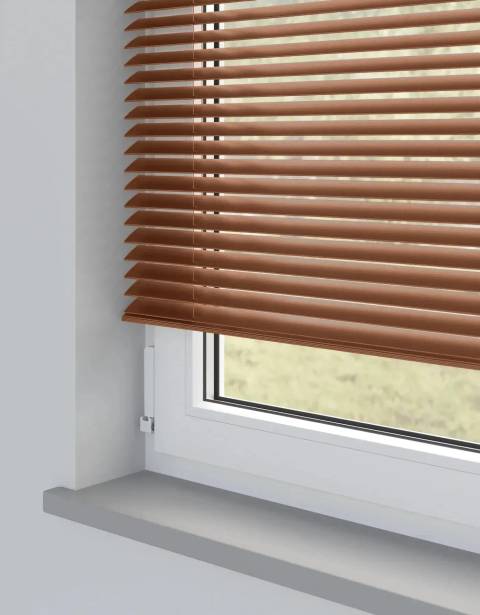
Cherry Venetian Blinds
The warm cherry wood tone and neat slatted lines suit a more traditional, tailored window treatment
Venetian blinds
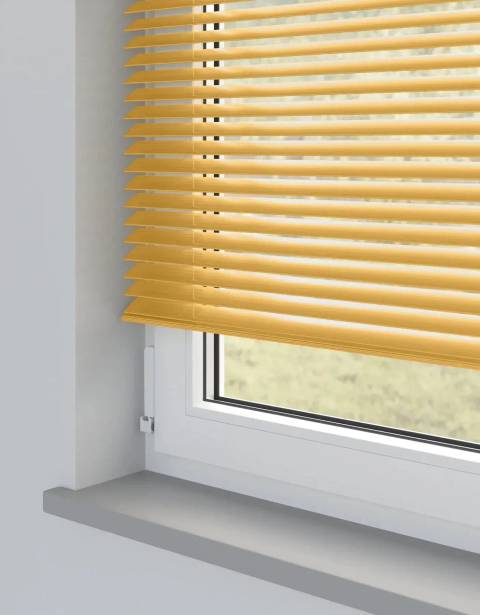
Chestnut Metal Venetian Venetian Blinds
The warm gold tone and neat slatted lines suit a more traditional, tailored window treatment.
Venetian blinds
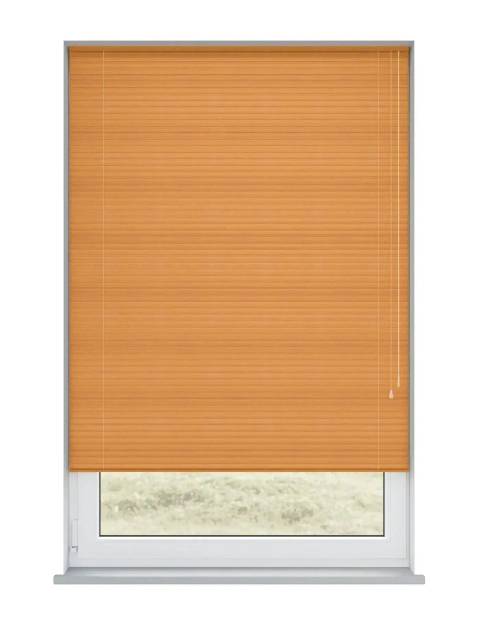
Conker Metal Venetian Venetian Blinds
The warm wood-effect tone and slatted form suit more traditional window dressings
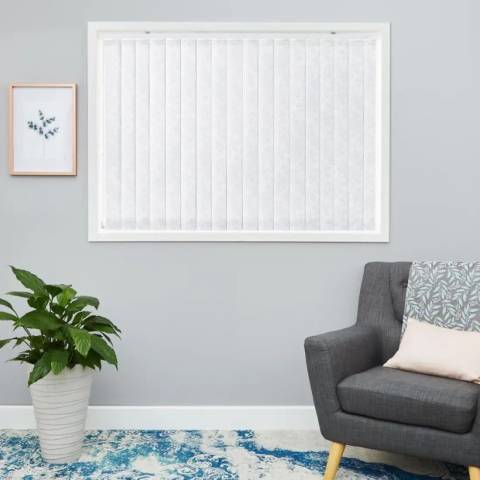
Vertical blinds
Coralie
The rose motif and soft white tone have a traditional, tailored quality
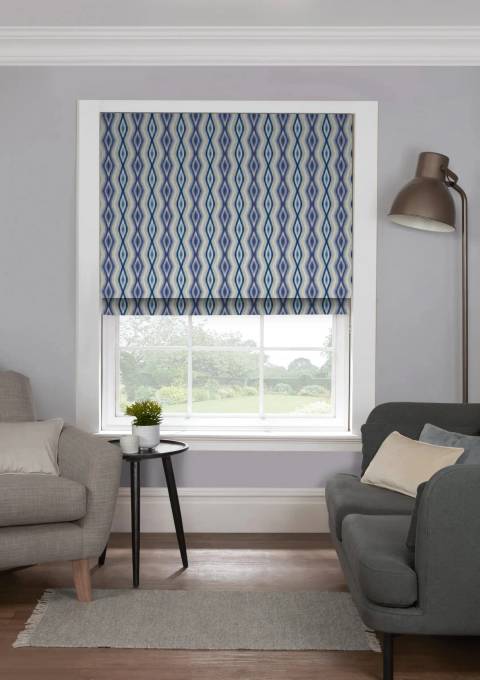
Roman blinds
EB Roman Blinds
The tailored fold and ikat-style diamond pattern suit a more formal, considered window treatment
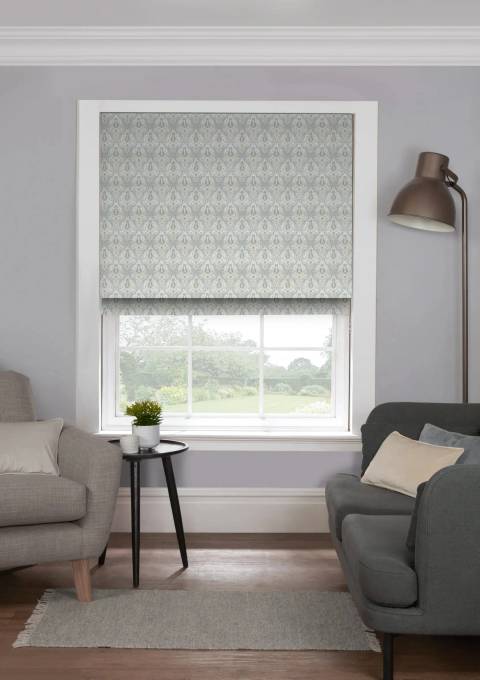
Roman blinds
EB Roman Blinds
The intricate damask-style motif has a traditional character suited to period windows and panelled surrounds.
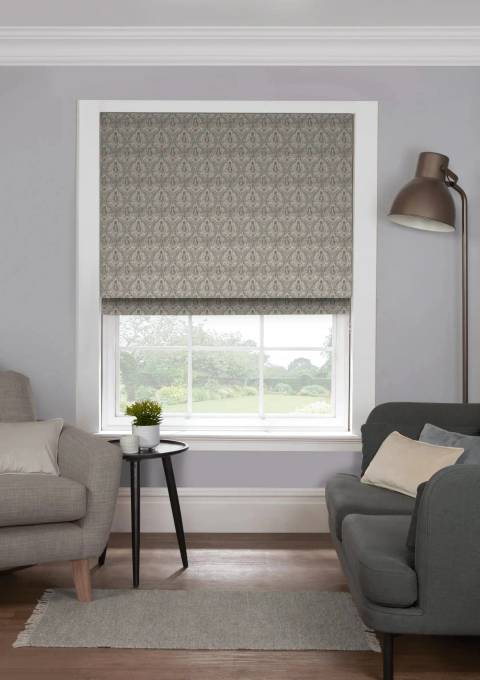
Roman blinds
EB Roman Blinds
The damask-style medallion pattern and tailored fold suit period and traditional interiors
Roman blinds
EB Roman Blinds
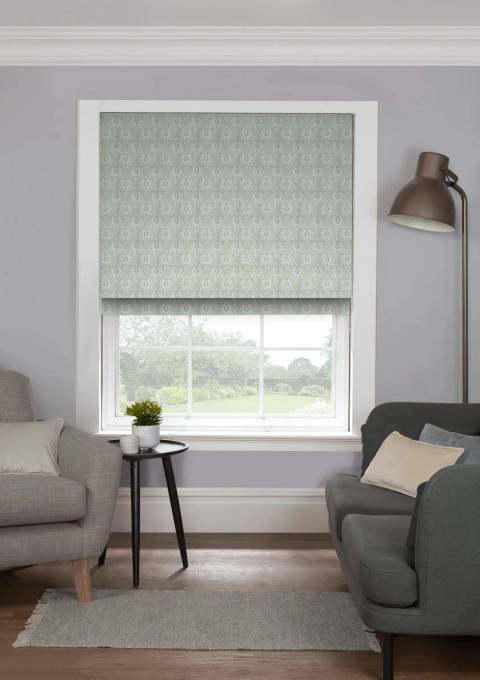
The intricate botanical repeat and muted green tone feel at home in a period or traditionally furnished room
Room by room
Getting the classic look in each room
Living room
A traditional living room usually suits full-length curtains with a pinch pleat heading, especially in a woven neutral, damask or botanical design. If the fireplace wall already has plenty going on, a Roman blind can keep the window tailored without adding too much pattern.
Dining room
This is a good room for slightly richer colour and a more formal treatment. Roman blinds in a damask or structured geometric, or curtains in berry, taupe or warm red tones, tend to suit darker wood furniture and more traditional table settings.
Bedroom
Traditional bedrooms often benefit from softness and a little weight at the window. Lined curtains with pinch or pencil pleats create that settled look, while a Roman blind behind them can add pattern within the reveal if you want the room to feel more dressed.
Kitchen
In a traditional kitchen, wood-effect or metal Venetian blinds in warmer tones can look neat without feeling stark. If the room needs something softer, a wipeable roller fabric with a small heritage-style motif can work, but ask your advisor what is best near sinks and hobs.
Bay window
Bay windows are often where this look comes into its own. Tier-on-tier shutters suit period proportions well, while curtains fitted outside the bay can add softness and height. For a neater approach, separate Romans measured to each section keep the shape of the bay clear.
Bathroom
For a classic bathroom, shutters are often the most natural fit because they look orderly and need no cords. Waterproof shutter materials are available for bathrooms and wet rooms, and a painted finish can still keep the room in a traditional vein.
Classic and traditional: questions people ask
Which blind style looks most traditional?
Roman blinds are usually the easiest route to a traditional look because the folded shape feels tailored and works well with damask, botanical and heritage-style patterns. Wooden or wood-effect Venetians can also suit classic rooms, particularly where you want a neater, more architectural finish.
Are shutters a good choice for period-style windows?
Yes, especially café, tier-on-tier and full-height styles. They sit neatly with sash and bay windows and have a panelled look that suits older room details. Because every opening is measured on its own, made-to-measure shutters can be planned around the proportions you actually have.
What curtain heading suits a classic room best?
Pinch pleat is usually the most tailored and formal, so it often suits classic and traditional interiors best. Pencil pleat is also a safe choice and works on a pole or track. If you are not sure which looks right with your room, your advisor can show headings against your own window.
Can I mix a blind and curtains in the same room?
Yes. A blind in the reveal with curtains fitted outside it is a common arrangement and often works very well in traditional rooms. It gives you a practical layer at the glass and a softer, more decorative frame around the window.
What colours work best for a traditional window scheme?
Warm neutrals such as ivory, cream, taupe and stone are reliable, with deeper notes like berry, sage or polished wood tones adding weight. Traditional rooms usually suit colours with a bit of softness rather than very sharp contrasts, though the exact balance depends on the wall colour and joinery.
Do made-to-measure window coverings help with older, uneven windows?
They do. Out-of-square windows are normal in British housing, and older properties often have bays, sashes and reveals that vary from one opening to the next. Your advisor measures every opening for the order, so the fit is Impress's responsibility rather than yours.
Other styles
All stylesBook a free home appointment
An advisor comes to you with the full range, measures precisely and prices the job on the spot. It costs nothing and there's no pressure to buy.