
Style guide
Scandi and light blinds, curtains and shutters
A Scandi and light look at the window is about pale neutrals, simple lines and a calm, uncluttered finish that still feels warm rather than stark. White, oat, soft grey and pale wood tones all work well, especially when the fabric or slat has a little texture. Made-to-measure helps keep that pared-back effect tidy: each opening is measured on its own, proportions stay balanced, and the finish looks considered rather than makeshift. An advisor can hold samples up at your windows in your own light, so soft whites, light greys and wood effects can be judged properly before anything is made.
- soft white
- oat
- pale grey
- stone
- light wood
- bleached wood
- soft sage
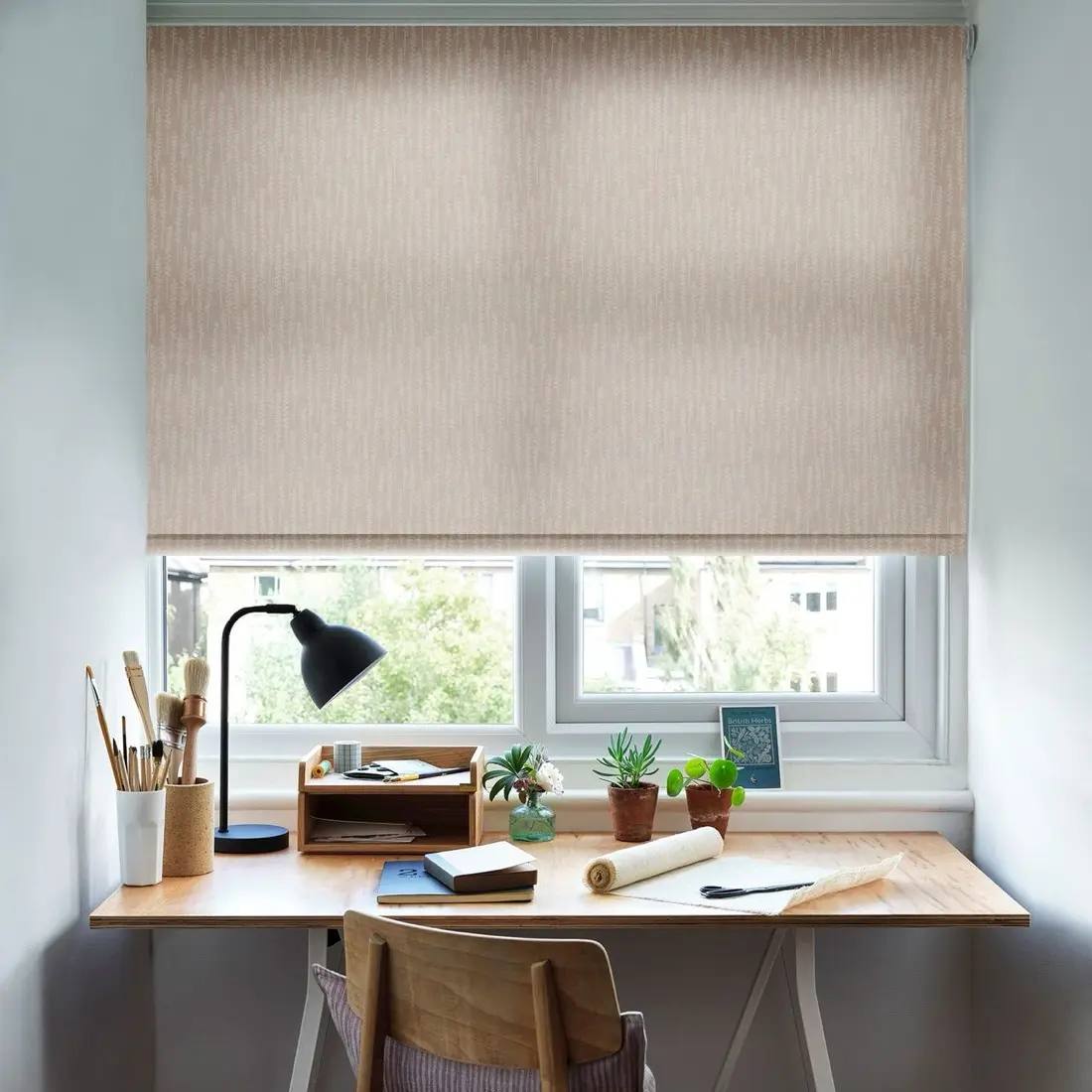
Made-to-measure blinds for a Scandi and light look
For this look, keep blinds simple, pale and lightly textured. Roller blinds are often the neatest fit, especially in soft neutral plains or restrained prints such as Adelaide, Blaine Roller Blinds or Ananta. If you want a softer, slightly more furnished finish, a Roman blind like Aether gives gentle folds without feeling heavy. Wooden or wood-effect blinds can also work well, particularly pale finishes such as Aquawood Wooden Blinds or Alumina, where the horizontal lines sit neatly with light woods, white walls and uncomplicated furniture.
Types that suit it: Roller blinds, Roman blinds, Wooden blinds, Perfect fit blinds.
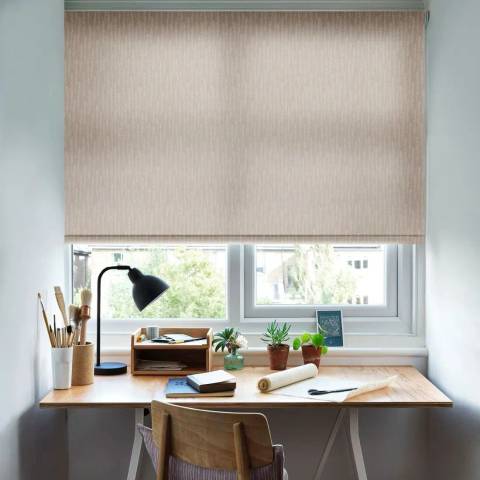
Roller blinds
Adelaide
The pale, textured neutral tones and simple flat roller shape suit a light, uncluttered look.
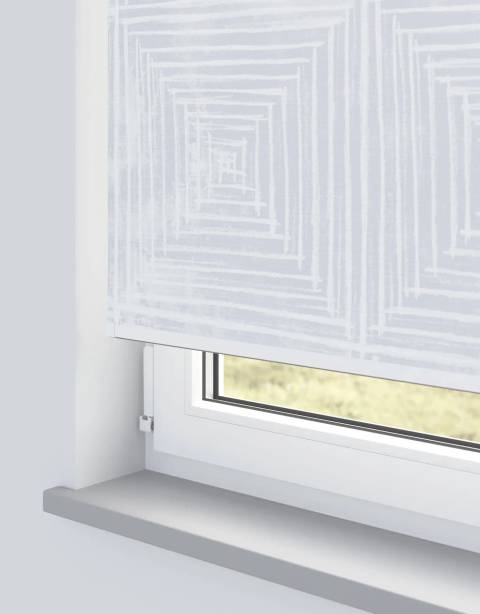
Eyelet curtains
Adina Roller Blinds
Pale grey and white palette with a simple, restrained geometric motif.
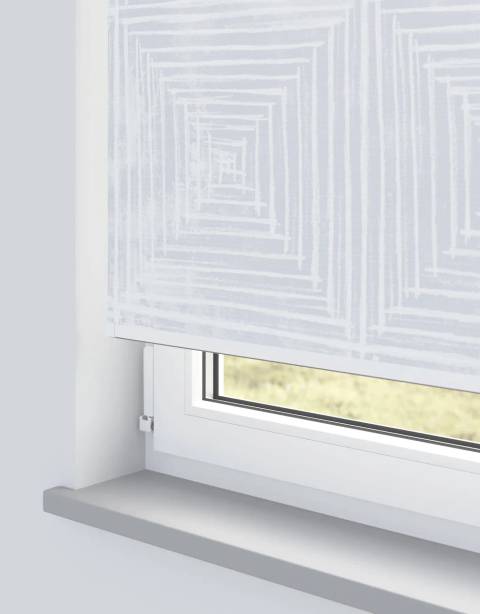
Electric blinds
Adina Roller Blinds Electric
Pale grey tones and a simple geometric print suit a light, uncluttered scheme.
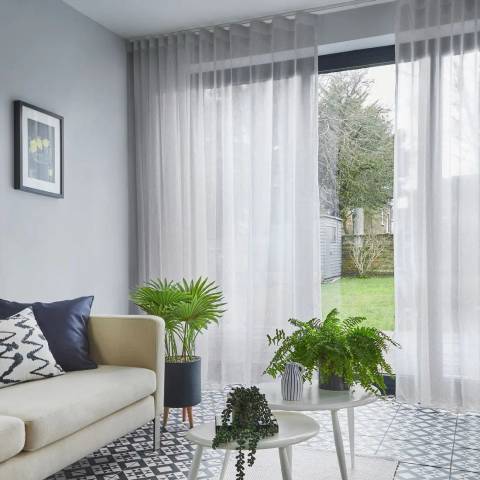
Roman blinds
Aether
Pale, airy tones and simple lines that let daylight through
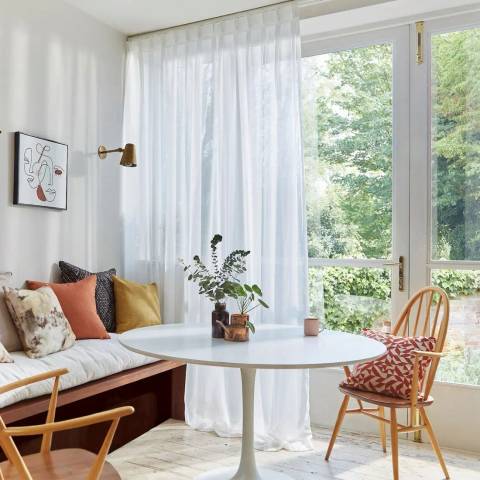
Eyelet curtains
Aldeburgh
Pale, sheer white and simple hanging folds fit a light, uncluttered scandi look.
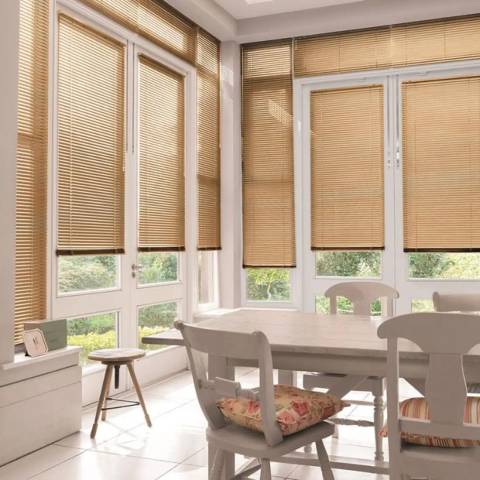
Perfect fit blinds
Alumina
Pale wood-effect slats and clean horizontal lines suit a light, simple scheme
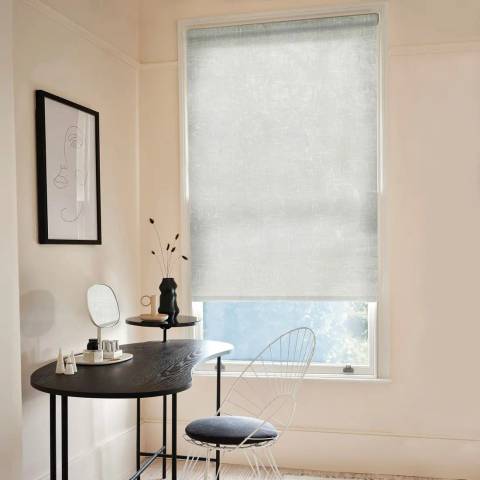
Roller blinds
Ananta
Pale grey tone and simple rounded pattern sit well with light woods and a pared-back scheme.
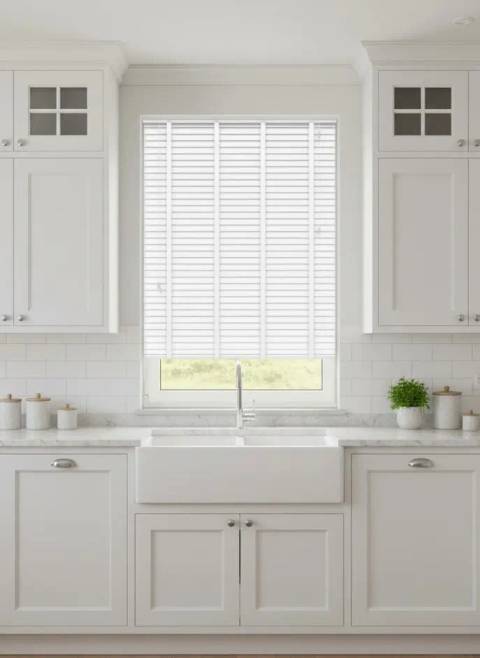
Wooden blinds
Aquawood Wooden Blinds
Pale grain and white slat finishes sit well with light woods and simple, uncluttered rooms.
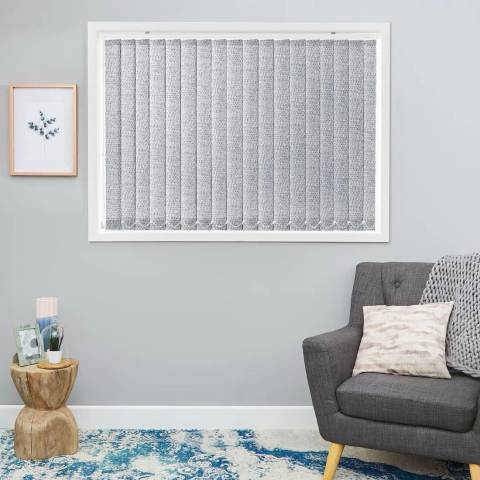
Vertical blinds
Ashby
The grey colourway and simple vertical lines sit well against pale walls and light woods
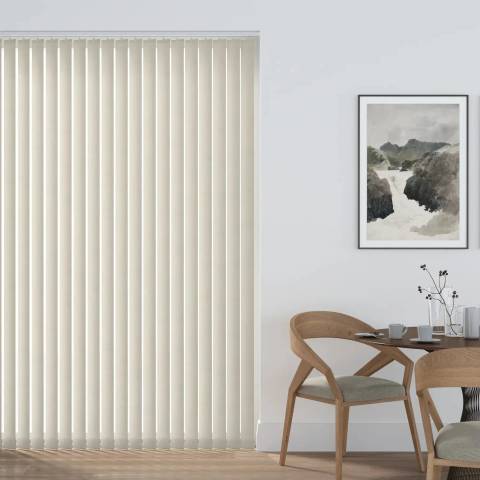
Vertical blinds
Atlantex Vertical Blinds
Plain cream and grey louvres with a clean, understated finish
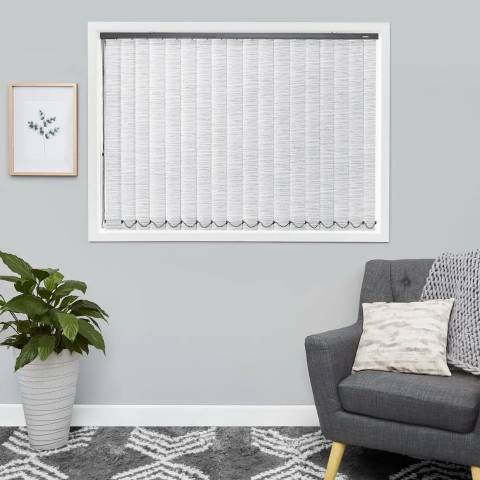
Vertical blinds
Aurelia
Pale grey tones and a simple woven texture sit well against light walls and natural wood furniture.
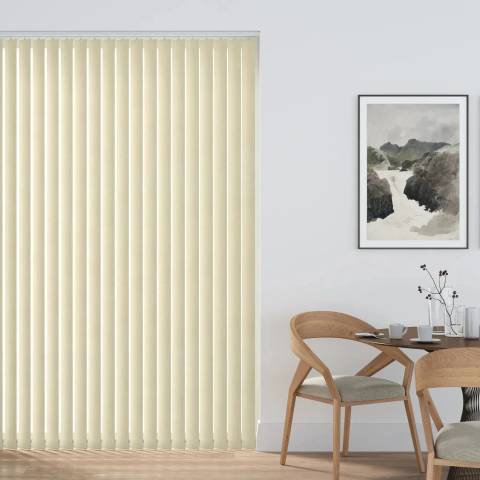
Vertical blinds
Badar Vertical Blinds
Pale neutral tones and clean vertical lines suit a light, simple scheme.
Room by room
Getting the scandi look in each room
Living room
Use a pale roller or Roman blind to keep the window line simple, then add curtains in a soft neutral if the room needs more warmth. Light texture works better than heavy contrast here, especially with white paintwork and pale timber furniture.
Bedroom
A Roman blind in a pale woven fabric or simple curtains with a neat wave heading keeps the room calm and restful. Soft greys, oat shades and muted blue-greys sit well in bedrooms that aim for a light, quiet feel.
Kitchen
Choose a straightforward blind in a wipeable finish and keep the colour to white, stone or pale grey. Wood-effect slats can add warmth, but in a practical room the simplest route is usually a clean-lined roller or a PVC or faux-wood option.
Bathroom
Keep the look bright with shutters in a pale painted finish or a blind suited to a steamy room. White and off-white finishes work well here, and waterproof shutter materials are worth asking about for bathrooms and wet rooms.
Dining room
If the room feels a little stark, curtains in a pale textured weave can soften it without losing the Scandi character. A quiet pattern such as a simple stripe or small geometric can add interest while keeping the overall look restrained.
Home office
A plain roller or vertical blind in a pale grey or cream helps the room stay tidy and unfussy. Clean lines matter more than decoration here, so avoid anything too busy and let the light, texture and fit do the work.
Scandi and light: questions people ask
Which blind styles suit a Scandi and light room best?
Usually the simplest ones. Roller blinds, Roman blinds in pale woven fabrics, and wooden or wood-effect blinds in light finishes all suit the look well. The main thing is to keep the colour soft and the pattern restrained, so the window feels calm rather than busy.
Are shutters a good fit for a Scandi look?
Yes. Shutters suit this style particularly well because they have clean lines, simple finishes and let you manage light without adding fuss. Pale painted or bleached tones tend to work best. Café style shutters are often a good match where you want privacy while keeping the top of the window open to daylight.
What curtain heading works best for this style?
Wave is often the neatest fit for a Scandi and light scheme because it gives a clean, continuous line. Eyelet also works well if you want a straightforward, relaxed look. If you prefer something more tailored, pinch pleat can still suit the style as long as the fabric stays pale and understated.
Can I mix blinds and curtains in a Scandi room?
Yes, and it is often a sensible way to keep the room light while adding a little softness. A blind in the reveal with curtains outside it is a common arrangement. It works particularly well when the blind is plain and practical, and the curtains add texture in a pale neutral.
How do I stop a pale scheme looking cold?
Use warmth in the texture rather than strong colour. Soft woven fabrics, pale wood or wood-effect slats, and off-white or oat tones usually feel gentler than stark bright white alone. In many rooms, layering a simple blind with curtains is enough to keep the look light but not bare.
How do I choose the right white or pale grey?
It is best judged in the room itself. Small shifts in white, oat or grey can look quite different once they are held against your wall colour and seen in your own daylight. At a home appointment, an advisor brings the full sample range, measures each opening and leaves a written quote for you to consider.
Other styles
All stylesBook a free home appointment
An advisor comes to you with the full range, measures precisely and prices the job on the spot. It costs nothing and there's no pressure to buy.