
Guides
Everything worth knowing before you choose
63 guides written the way our advisors explain things at the kitchen table: what each blind, curtain and shutter does, how they compare, how to measure, and what works room by room.
Start here
Three guides that answer most questions
8 min read
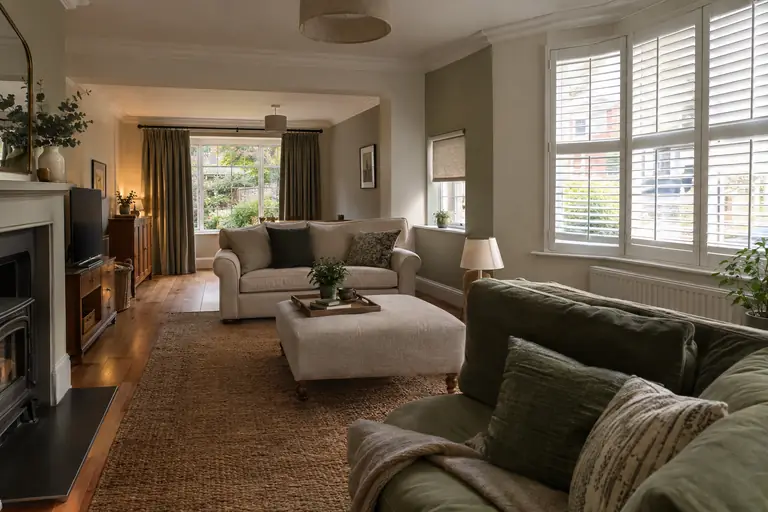
Blinds, curtains or shutters? How to choose for each window
Every window in the house can take a blind, curtains or shutters, and plenty take two of them. The right answer depends on what the window has to do: light by day, dark at night, warmth in winter, privacy from the street, and how you want the room to look.
Read the guide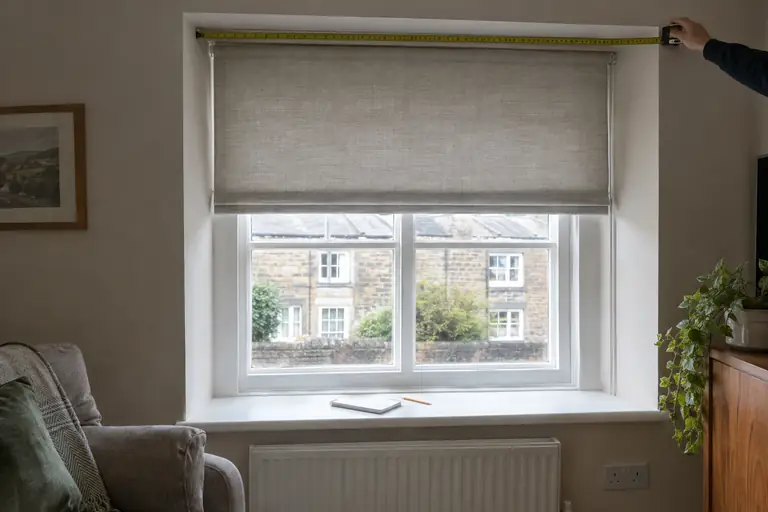
9 min read
How to measure for blinds: recess and exact fit
A made-to-measure blind is only as good as the numbers behind it. This is how to measure a window properly for a recess fit or an exact fit, what to write down beyond the width and drop, and why our advisor still measures every window before anything is made.
Read the guide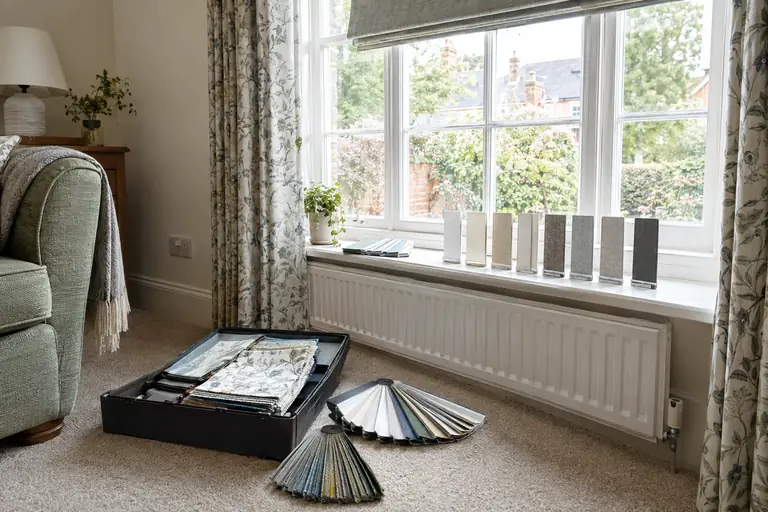
9 min read
What happens at a free home appointment
Choosing blinds, curtains or shutters from a screen is guesswork, which is why we come to you. Here is what happens at a free home appointment, from finding a date for your postcode to the written price, and what happens afterwards if you decide to go ahead.
Read the guideBuying guides
Each product explained: how it works, where it suits, what to watch for.
9 min read
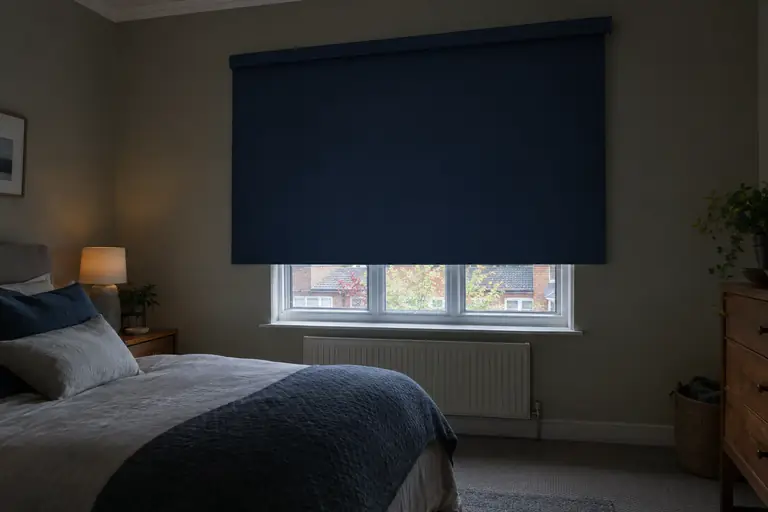
Blackout blinds: how dark is dark, and how to get there
Blackout fabric is the easy part. What decides whether a bedroom is actually dark at five on a June morning is where the light gets round the blind: down the sides, over the top and under the bottom bar.
Read the guide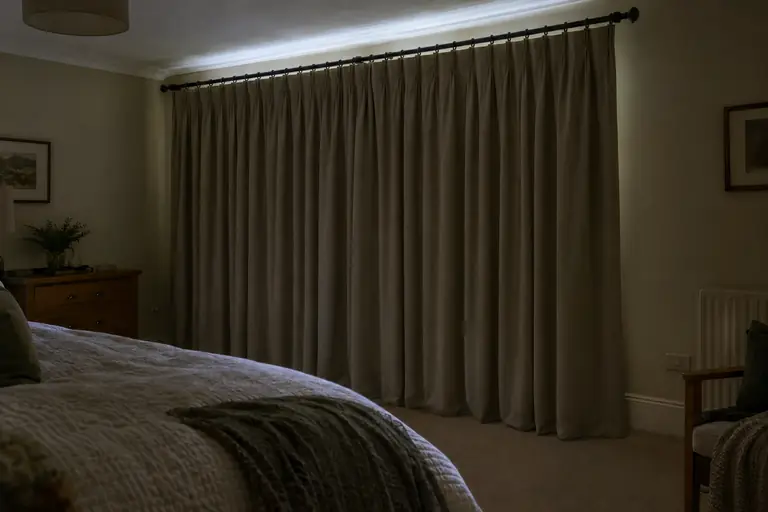
9 min read
Blackout curtains: linings, fit and a properly dark room
A blackout curtain gets its darkness from the lining, not the fabric on the front. But a curtain hangs in front of a window rather than inside it, so a genuinely dark room depends as much on how the curtain is hung as on what it is made of.
Read the guide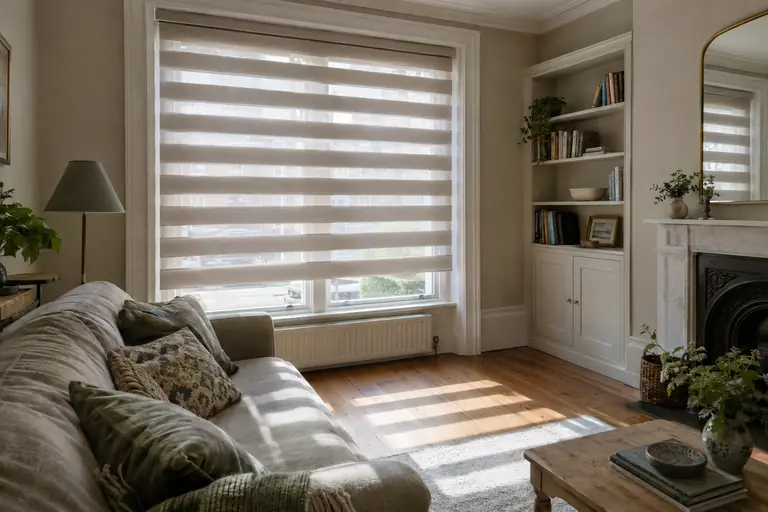
8 min read
Day & night and transition blinds: privacy you can dial in
A day and night blind is two layers of striped fabric on one roller. Slide the stripes out of line and the window closes; line them up and the room gets soft light with the view still there. One blind does the job of a sheer and a solid.
Read the guide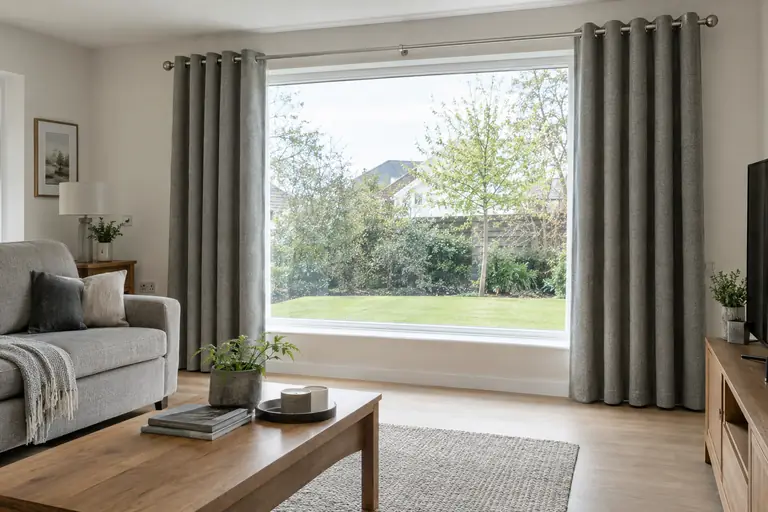
9 min read
Eyelet curtains: simple, modern and easy to draw
Eyelet curtains are the simplest heading to understand and the easiest to use: a row of metal rings through the top of the curtain, a pole through the rings, and deep, even folds that slide open with one pull. That simplicity comes with a few conditions about the pole and the wall around it.
Read the guide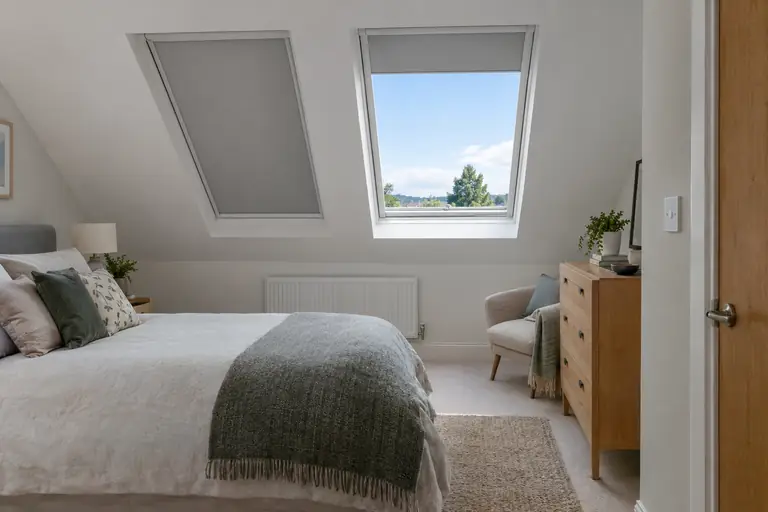
9 min read
Motorised blinds: battery, mains and smart control explained
A motor takes the cord or chain off the window and puts the blind on a handset, a wall switch or your phone. It earns its keep on the windows you cannot comfortably reach, and it changes how often a blind actually gets used.
Read the guide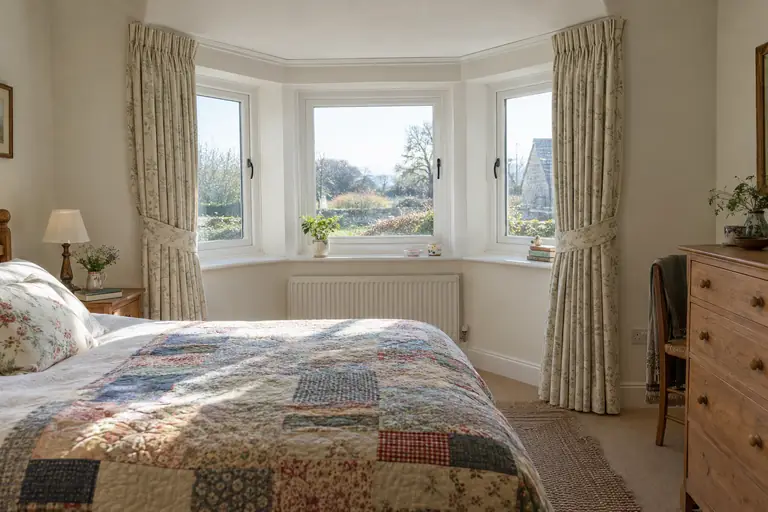
9 min read
Pencil pleat curtains: versatile and easy to live with
Pencil pleat is the heading many of us grew up with, and it is still the most adaptable one we make. It hangs from a pole or a track, follows the angles of a bay, and can be eased tighter or looser once it is on the window.
Read the guide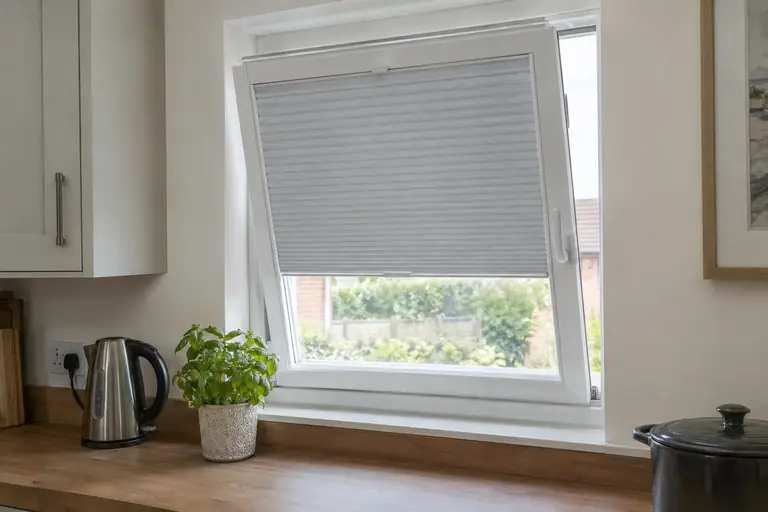
8 min read
Perfect fit blinds: no-drill blinds that sit in the frame
A perfect fit blind comes in its own slim frame that clips into the edge of a uPVC window, so it sits on the glass and moves with the sash. Nothing is drilled into the window frame, and there are no cords hanging loose.
Read the guide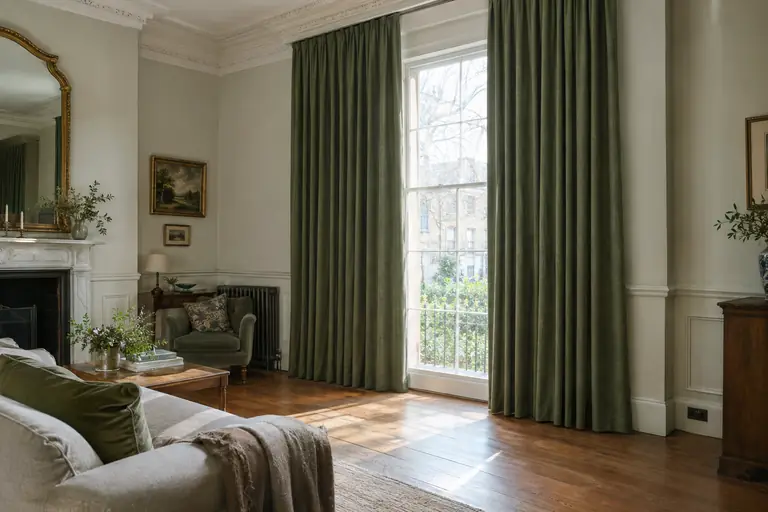
9 min read
Pinch pleat curtains: the tailored choice
Pinch pleat is the heading to choose when a room calls for something tailored. The pleats are formed by hand and stitched to hold, the folds fall in straight columns to the hem, and the pair stacks back tighter than any other heading when it is open.
Read the guide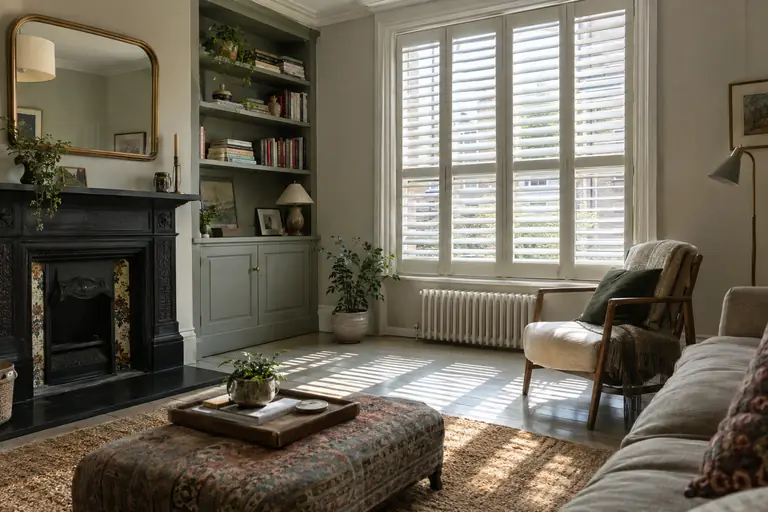
9 min read
Plantation shutters: a complete buying guide
Shutters are the one window dressing that becomes part of the building. Before you choose a colour, it pays to understand what you are buying: a frame, hinged panels and tilting louvres, made for one opening and fixed there for good.
Read the guide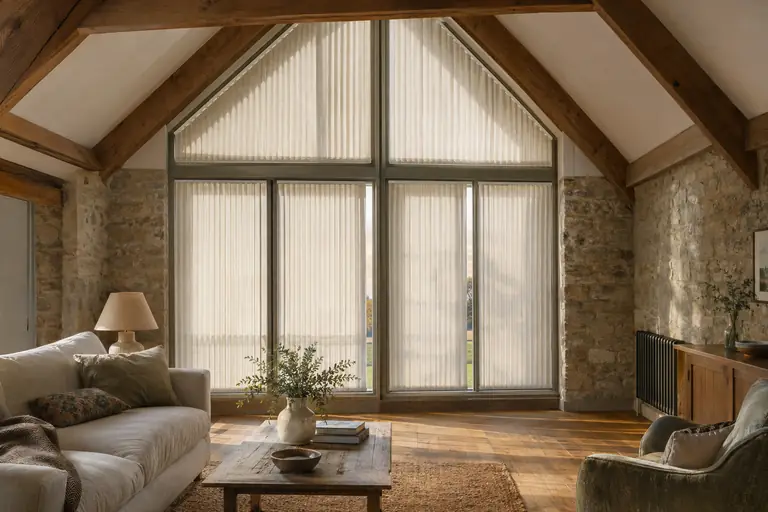
8 min read
Pleated and honeycomb blinds: fabrics, controls and awkward windows
Pleated and honeycomb blinds are the problem-solvers of the blind world. They fold down to almost nothing, they can be held taut on sloping or opening glass, and they can be made for windows that a roller or a roman cannot cover neatly.
Read the guide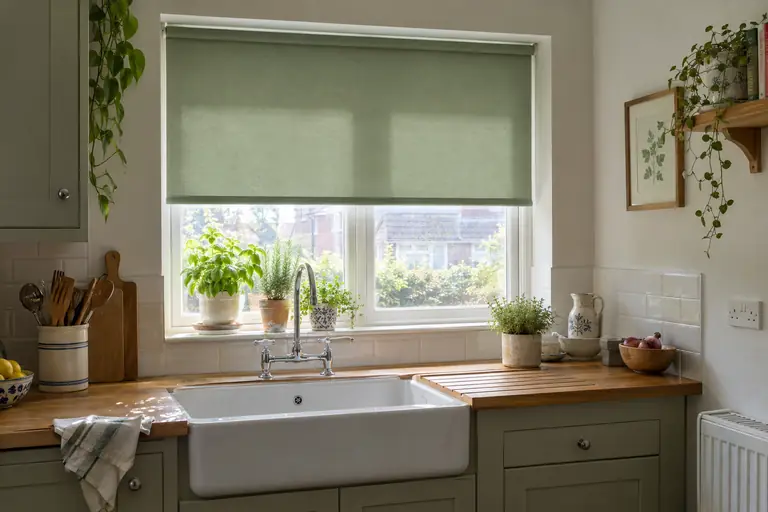
9 min read
Roller blinds: a complete buying guide to fabrics, controls and fit
A roller blind is one flat piece of fabric on a tube, which makes it the simplest blind we fit and the easiest to live with. Almost every decision you make is really about the fabric, then about how you work it and where it hangs.
Read the guide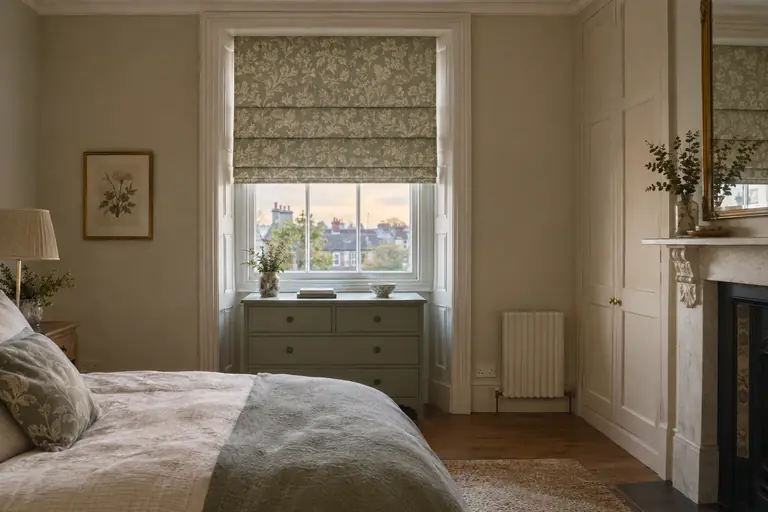
9 min read
Roman blinds: fabrics, folds and linings
A roman blind is curtain fabric made up as a blind. It lifts into soft horizontal folds above the glass, so you get the pattern and warmth of a curtain without losing the wall either side of the window. The fabric sets the look; the lining behind it decides what the blind actually does.
Read the guide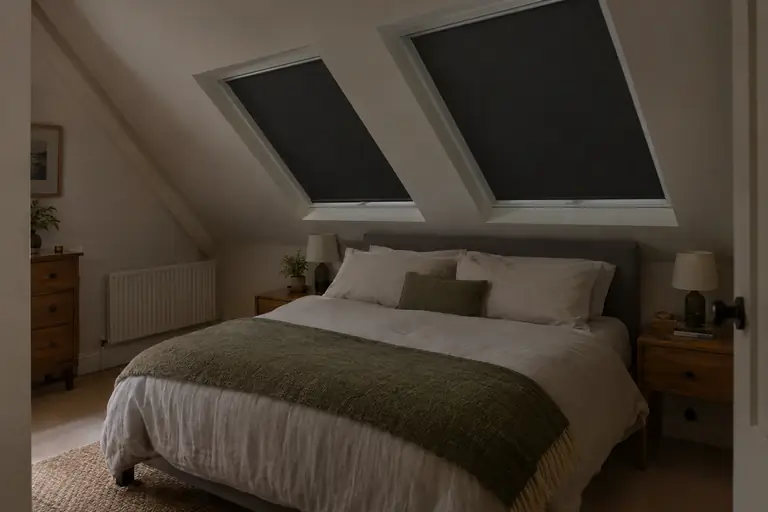
8 min read
Skylight and roof window blinds: blackout and heat control overhead
A roof window faces the brightest part of the sky, often sits out of reach, and slopes so that an ordinary blind would simply hang away from it. Skylight blinds are built for all three problems, and getting one right is mostly about the frame it fits into.
Read the guide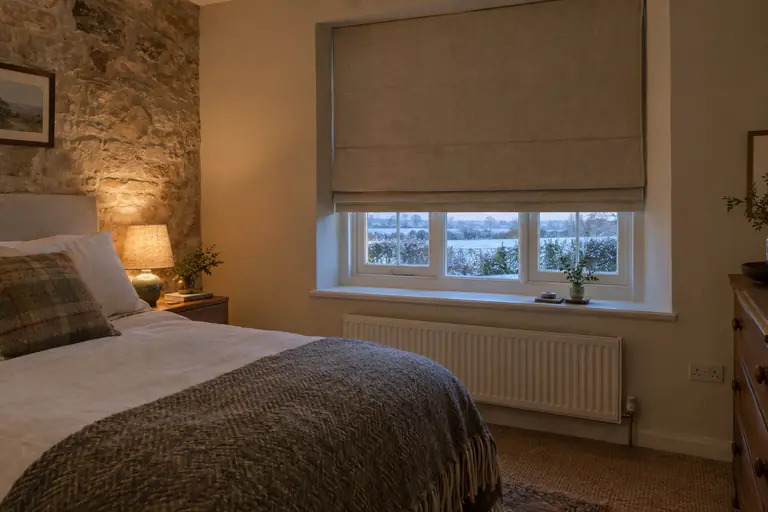
8 min read
Thermal blinds: keeping warmth in and summer heat out
Glass is the coldest surface in most rooms in winter and the hottest in summer. A thermal blind puts a layer between you and it: it slows the chill coming off the window on a January night and turns some of the sun back on a July afternoon.
Read the guide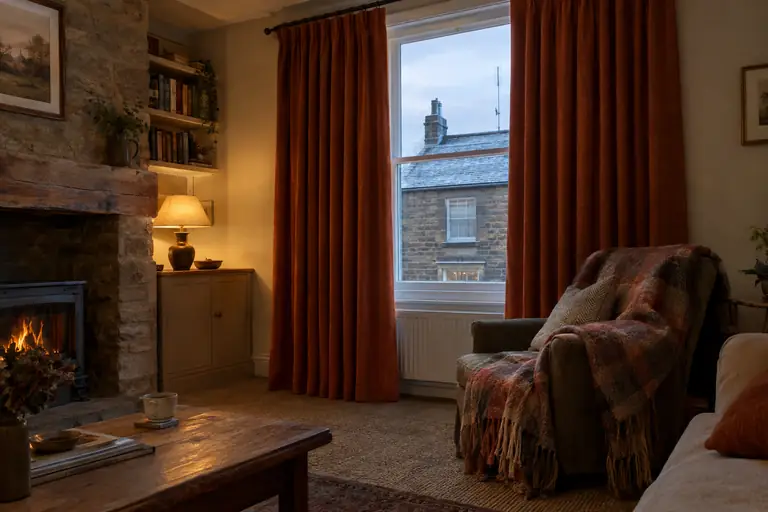
9 min read
Thermal curtains: warmth, linings and interlining
On a cold evening, the window is the thinnest part of the wall. Thermal curtains put a layer of fabric and still air between the room and the glass. They will not do the job of double glazing, but drawn at the right time and hung the right way, they help a cold room hold on to its warmth.
Read the guide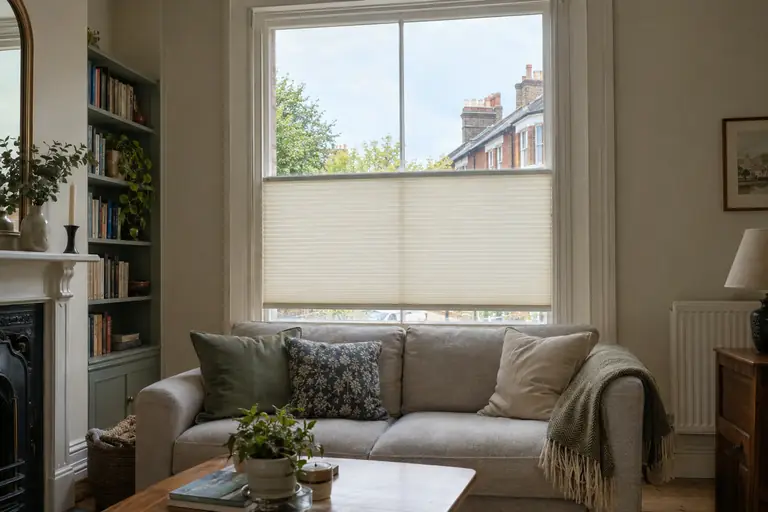
8 min read
Top down bottom up blinds: privacy at street level, light above
Most blinds open from the bottom up, which gives you the view and gives the street the view too. A top down bottom up blind also opens from the top, so you can cover the lower part of the window and let daylight in above head height.
Read the guide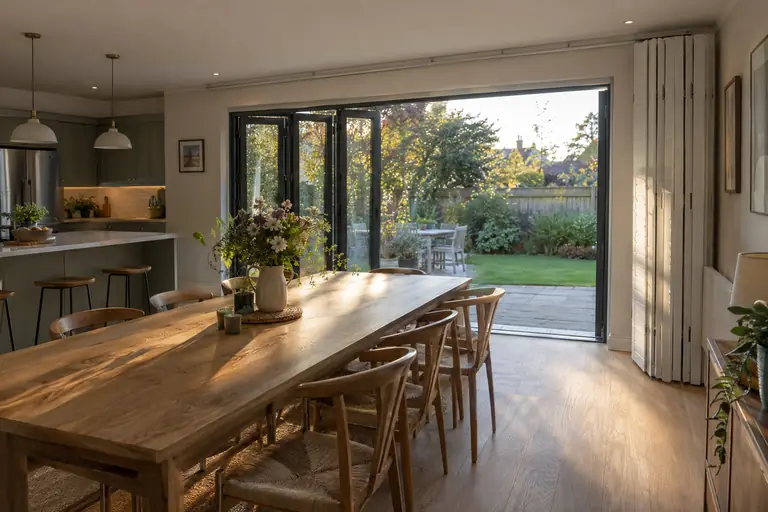
8 min read
Tracked shutters for doors, and shaped shutters for awkward windows
Not every opening is a window-sized rectangle with room for hinged panels. Wide doors, bi-folds, arches, triangles and gable ends need shutters built differently: panels that slide on a track, frames templated to a shape, or solid panels where you want the opening fully closed.
Read the guide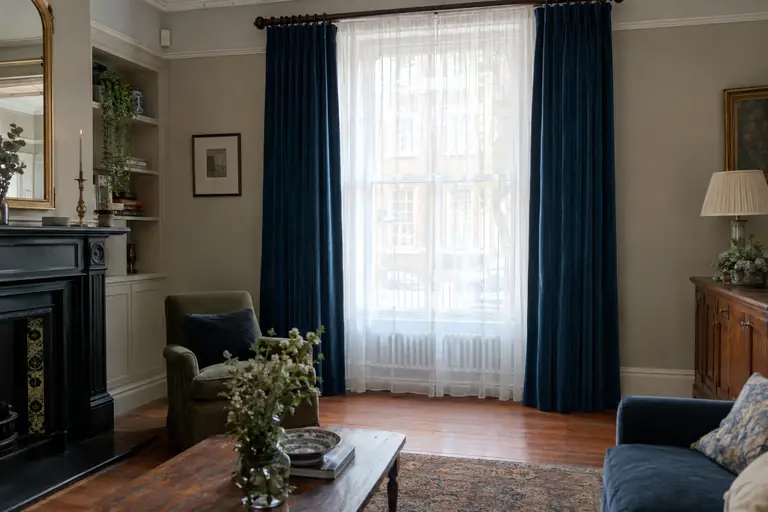
9 min read
Velvet and voile curtains: heavy drama and light privacy
Velvet and voile are the two extremes of curtain fabric. One is dense, heavy and full of shifting light; the other is fine enough to see the garden through. They do opposite jobs, which is exactly why they so often end up on the same window.
Read the guide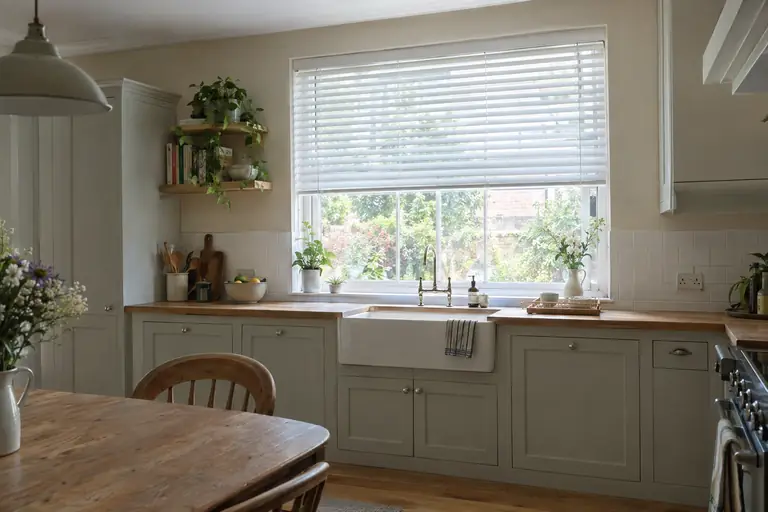
9 min read
Venetian blinds: aluminium, faux wood and wood compared
A venetian is a stack of horizontal slats hung on ladder cords. Tilt them and you steer the daylight rather than simply letting it in or shutting it out. What the slats are made of decides where the blind can go, how it looks in the room and how it copes with steam.
Read the guide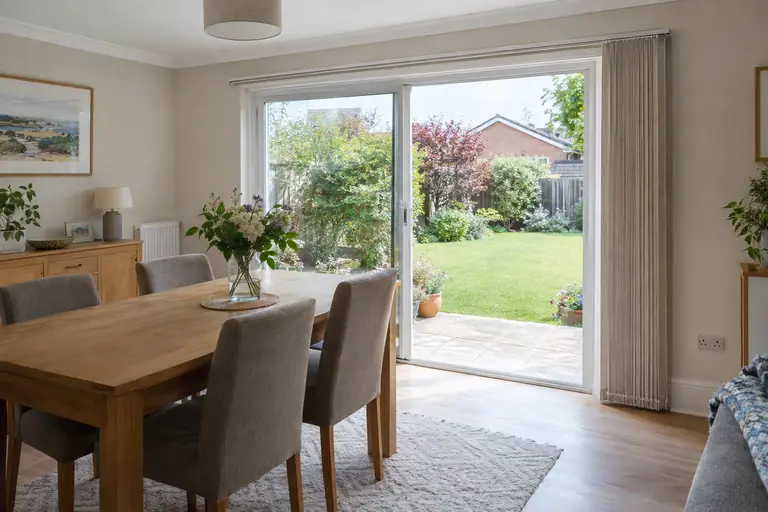
9 min read
Vertical blinds: the practical choice for wide glass and doors
Vertical blinds are the blind people underrate until they have a patio door. The louvres draw sideways into a stack off the glass, turn to angle away low sun, and can be replaced one at a time. On a wide window or a door you walk through every day, that combination is hard to beat.
Read the guide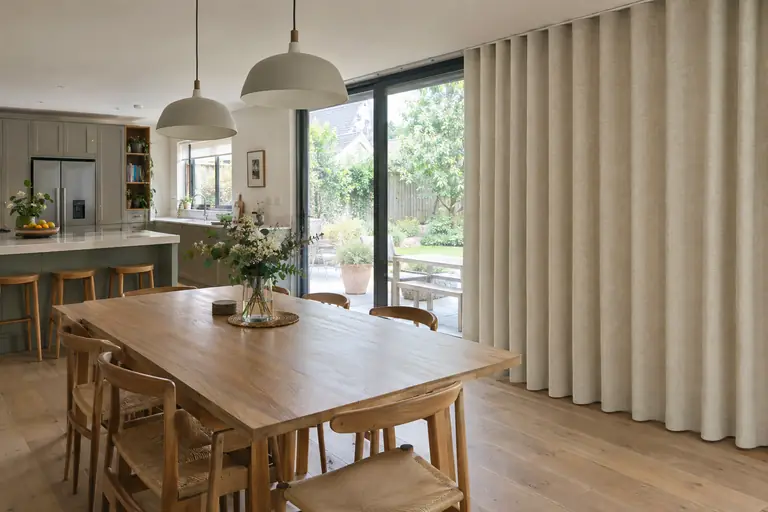
9 min read
Wave curtains: the contemporary S-fold
Wave curtains fold in a continuous, regular S-curve that looks the same whether the pair is drawn, half open or pulled right back. The effect is clean and contemporary, and it comes from the track as much as the fabric, so a wave curtain is really a curtain and a track chosen together.
Read the guide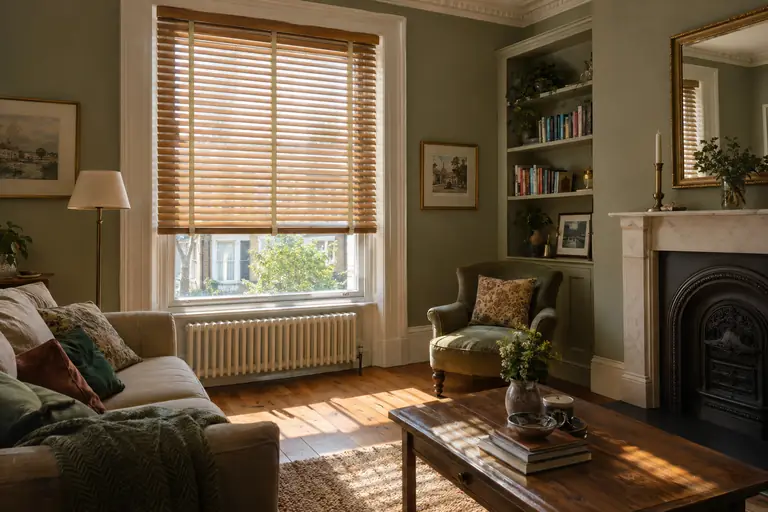
8 min read
Wooden blinds: real wood, faux wood and where each belongs
A wooden blind is a venetian with timber or wood-effect slats, and it behaves more like furniture than fabric. It has weight, it has a colour that has to sit with your floor and your doors, and it has opinions about steam. Choosing well means thinking about all three.
Read the guideCompare
Side-by-side answers to the questions people weigh up.
9 min read
Blackout, thermal and dimout: what the labels mean
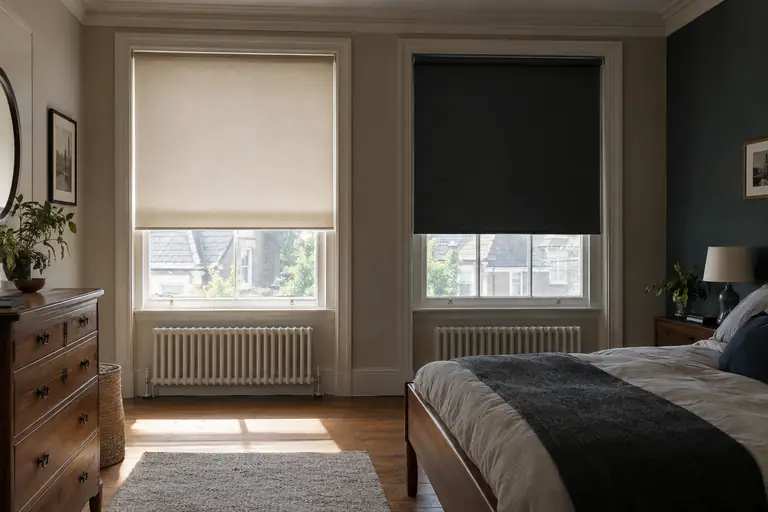
Blackout, dimout and thermal describe what a fabric does, not what a blind or curtain looks like. One is about stopping light, one is about softening it, and one is about heat. They overlap more than the names suggest, and none of them does everything on its own.
Read the guide8 min read
Blinds, curtains or shutters? How to choose for each window
Every window in the house can take a blind, curtains or shutters, and plenty take two of them. The right answer depends on what the window has to do: light by day, dark at night, warmth in winter, privacy from the street, and how you want the room to look.
Read the guide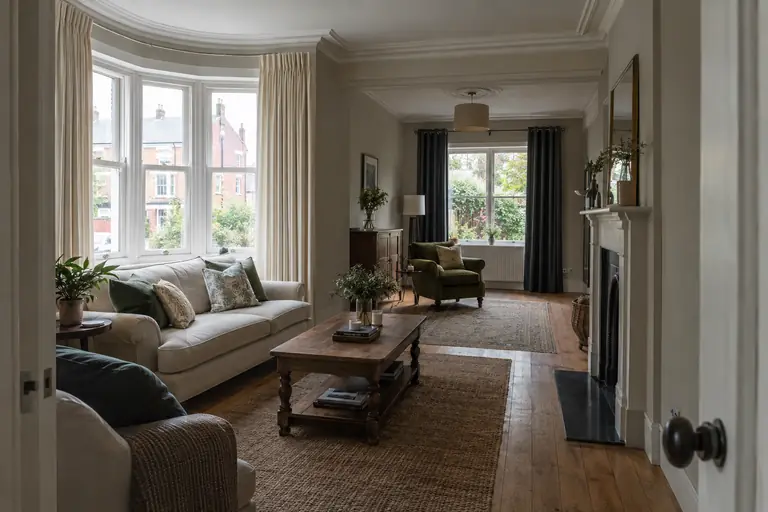
9 min read
Curtain headings explained: pencil, pinch, eyelet and wave
The heading is the stitched band along the top of a curtain, and it decides more than it looks. It sets how the folds form, whether you need a pole or a track, how much wall the curtains take up when they are open, and a fair part of the price.
Read the guide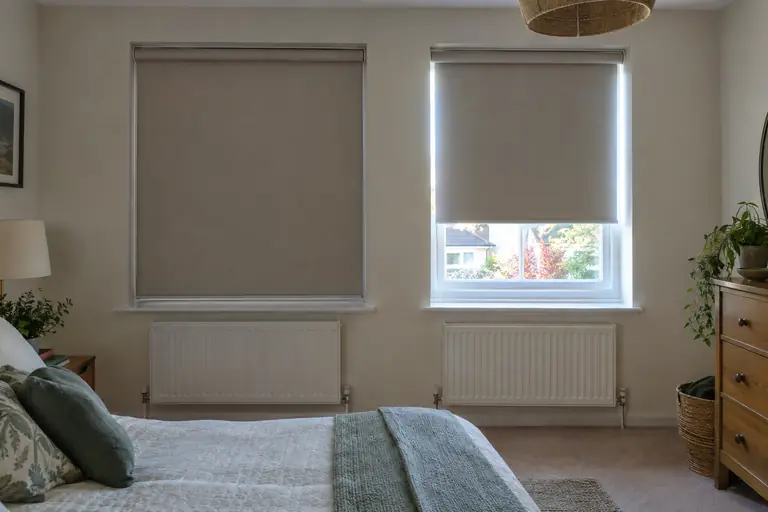
9 min read
Made-to-measure vs ready-made blinds and curtains
Ready-made blinds and curtains come in a handful of standard sizes. Made-to-measure ones are made for one window. The difference shows in the gaps down the sides, the hem that lands in the wrong place and the window that was never quite square, and it changes your rights if you change your mind.
Read the guide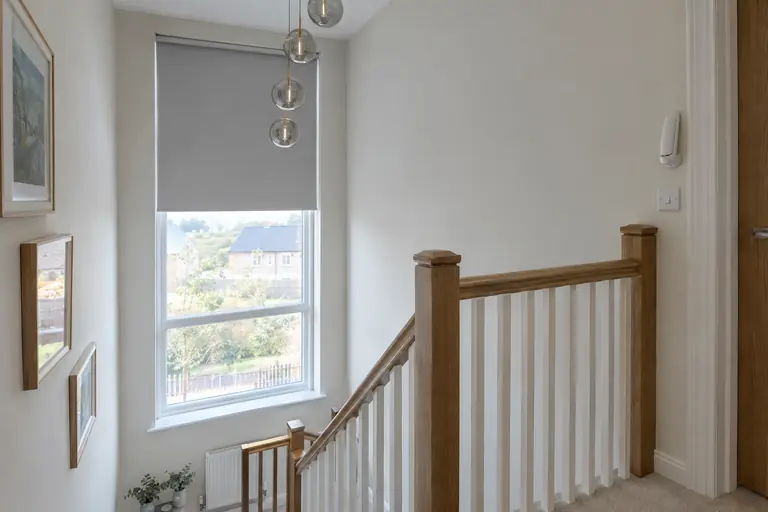
10 min read
Motorised vs manual blinds: which suits your windows
A blind can be moved by a chain, a cord, a wand, your hand on the bottom rail or a motor. The choice changes how you use the blind every day, how it sits with small children in the house, and what goes into the quote.
Read the guide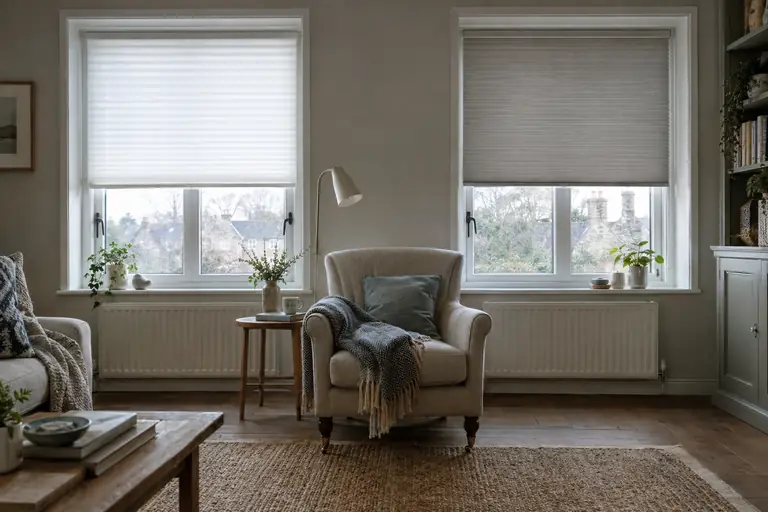
7 min read
Pleated vs honeycomb blinds: which is right for your window?
Pleated and honeycomb blinds look alike from across a room: both fold into a slim concertina and both suit awkward windows. The difference is inside the fold. A pleated blind is one layer of fabric; a honeycomb blind is two, joined into cells that hold a pocket of air.
Read the guide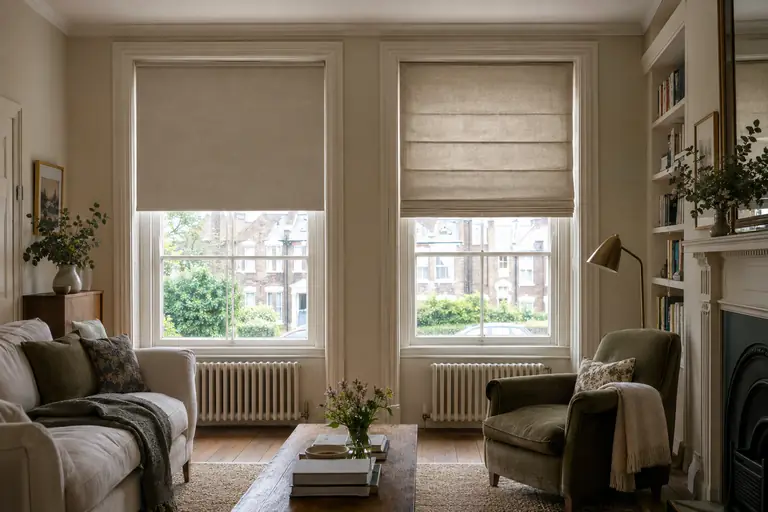
9 min read
Roller vs roman blinds: which suits your window?
Rollers and romans are the two fabric blinds most people choose between, and on paper they do the same job. In the room they behave very differently: one rolls away to almost nothing, the other folds into a soft stack of curtain fabric. Which is right depends on the window, the room and how much work you want the blind to do.
Read the guide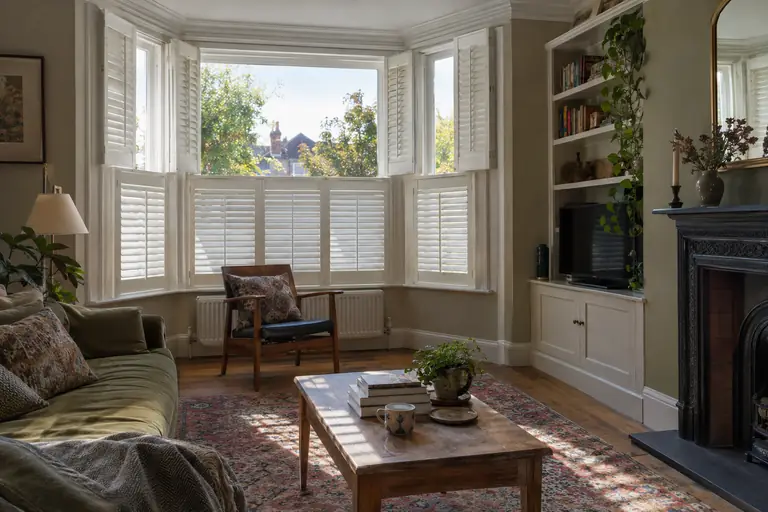
8 min read
Shutter styles explained: full height, café, tier-on-tier and more
The style of a shutter decides how much of the window you can open on its own, and how much light and privacy you keep when the louvres are closed. Here is what each style does, where it belongs and how they work together across a house.
Read the guide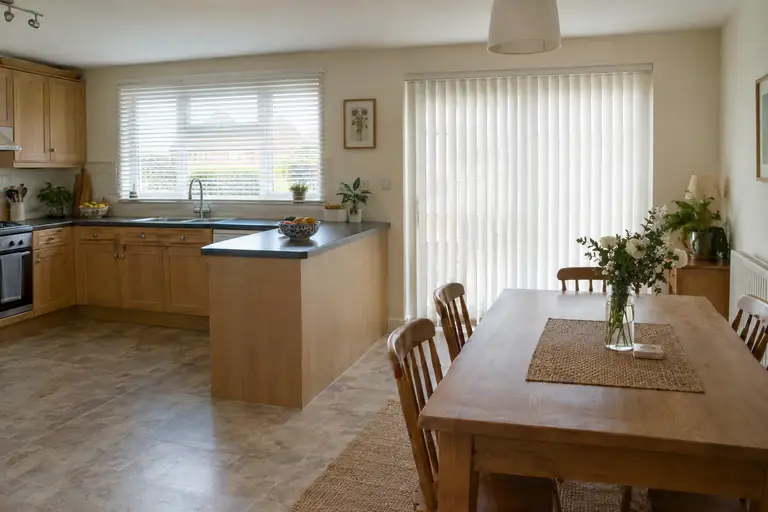
9 min read
Venetian vs vertical blinds: which way should the slats run?
Venetian and vertical blinds both use slats you can turn to steer the light, so they are easy to confuse. The difference is which way the slats run, and that changes almost everything: which windows they suit, how you get through a door, which sun they block best and how they wear.
Read the guide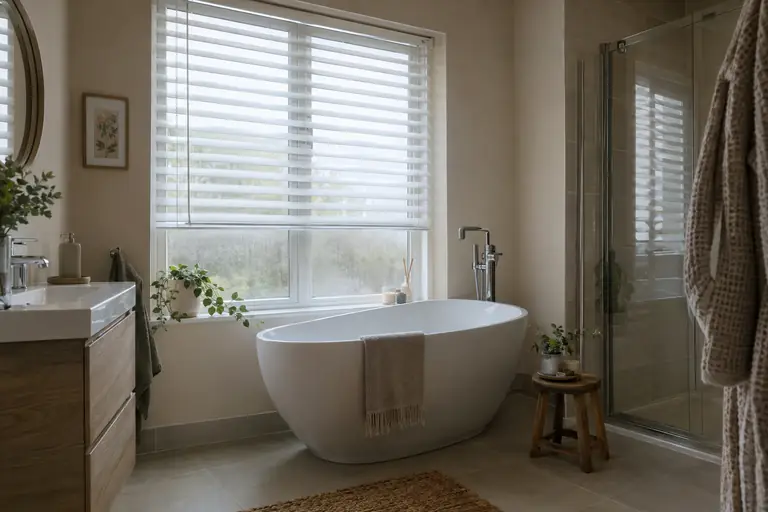
8 min read
Wooden vs faux wood blinds: which belongs in which room?
From across a room, a good faux wood blind and a real wood one look almost the same. They tilt the same way and come in many of the same finishes. The differences show up in steam, in weight, in your hand and in close-up daylight, and those are what should decide which one goes where.
Read the guideMeasuring and fitting
Recess or exact fit, bays, doors and roof windows, and what happens at the appointment.
8 min read
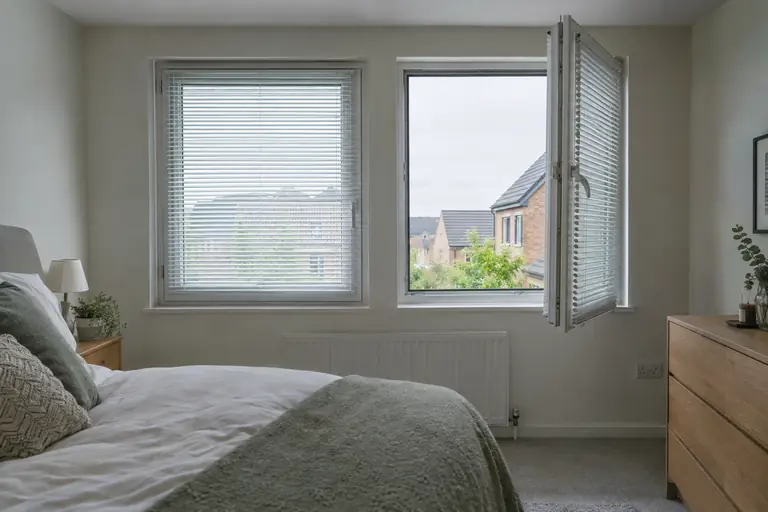
Blinds for tilt and turn windows, and how they are measured
A tilt and turn window opens into the room, either tipping in at the top or swinging in like a door, and any blind hanging in front of it gets in the way. That is why these windows usually have a blind fixed to the sash itself, and why they are measured differently from an ordinary window.
Read the guide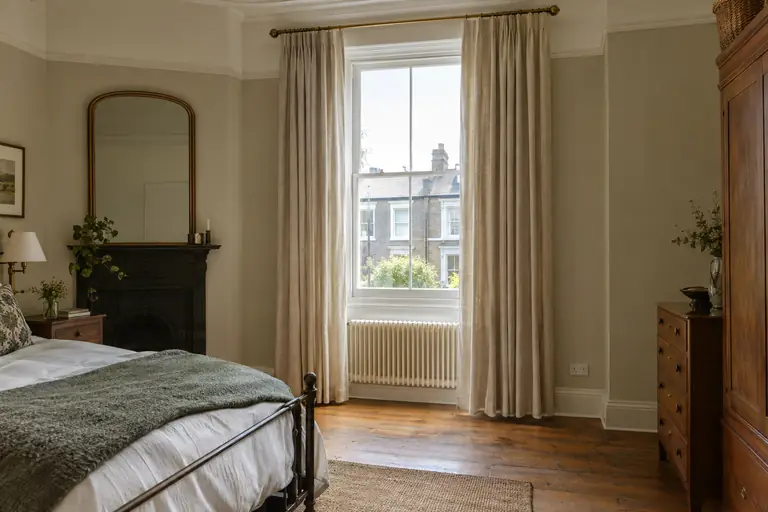
9 min read
Curtain length and fullness: sill, below sill or floor
Two decisions shape how a curtain looks more than the fabric does: where the hem finishes, and how much fabric goes across the width. Get them right and a modest fabric looks generous. Get them wrong and even a lovely one looks as if it came out of a packet.
Read the guide9 min read
How to measure for blinds: recess and exact fit
A made-to-measure blind is only as good as the numbers behind it. This is how to measure a window properly for a recess fit or an exact fit, what to write down beyond the width and drop, and why our advisor still measures every window before anything is made.
Read the guide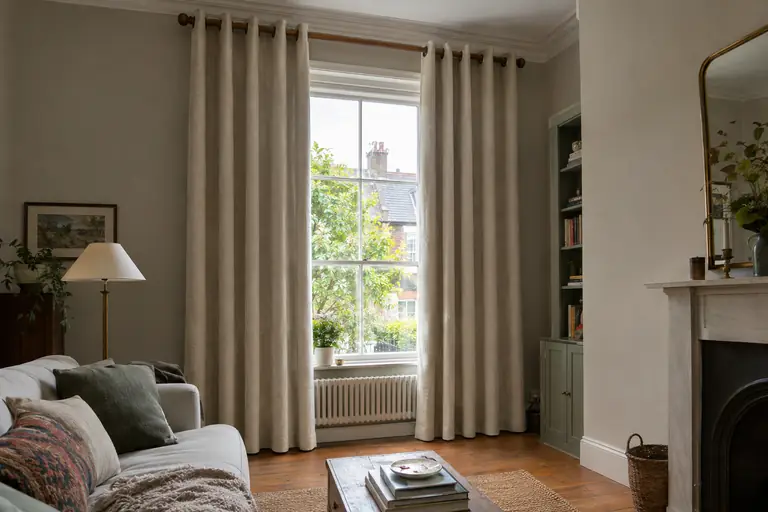
9 min read
How to measure for curtains: poles, tracks and drops
Curtains are measured from the pole or track, not from the window. Put the fittings in the right place first and the rest follows: the width the curtains have to cover, the drop to wherever you want them to finish, and the wall space they need to stack back off the glass.
Read the guide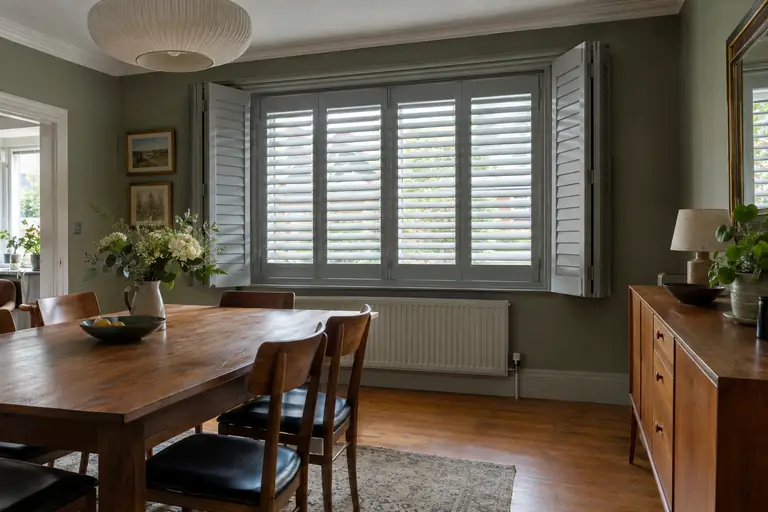
8 min read
How to measure for shutters, and why we measure them for you
A shutter is fitted furniture rather than a soft covering, and it is far less forgiving of a wrong measurement than a blind. Here is what actually decides whether shutters fit your window, what you can usefully check before the appointment, and why the measuring for an order is ours to do.
Read the guide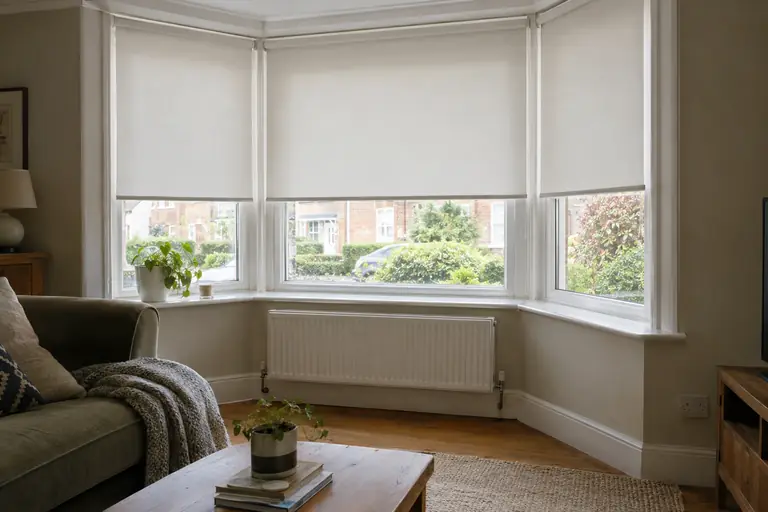
10 min read
Measuring bay windows for blinds, curtains and shutters
A bay is several windows set at angles to each other, and each one is a slightly different size. Measured as a set, pane by pane, blinds line through as one run and curtains follow the shape of the room. Measured as one big window, they never quite do.
Read the guide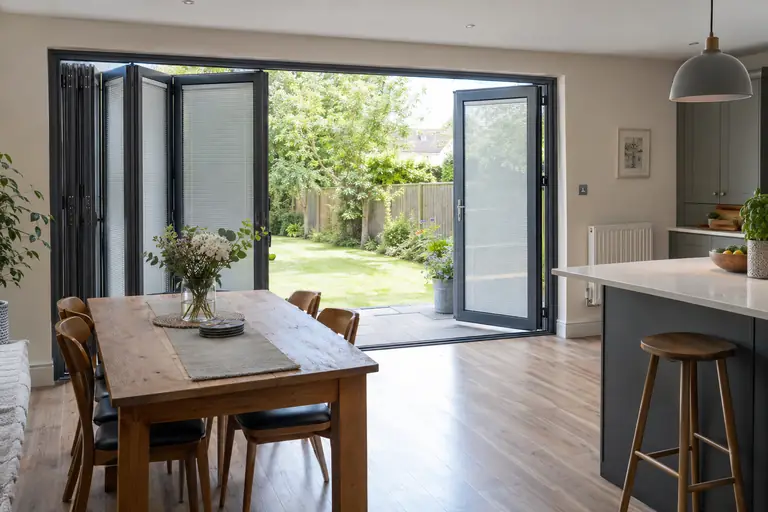
8 min read
Measuring French doors, patio doors and bi-folds for blinds
A door is a window you walk through, and that changes the measuring. The blind has to clear the handle, let the door open fully and leave the way out clear, every day. Here is how to measure French doors, sliding patio doors and bi-folds, and what to check beyond the size.
Read the guide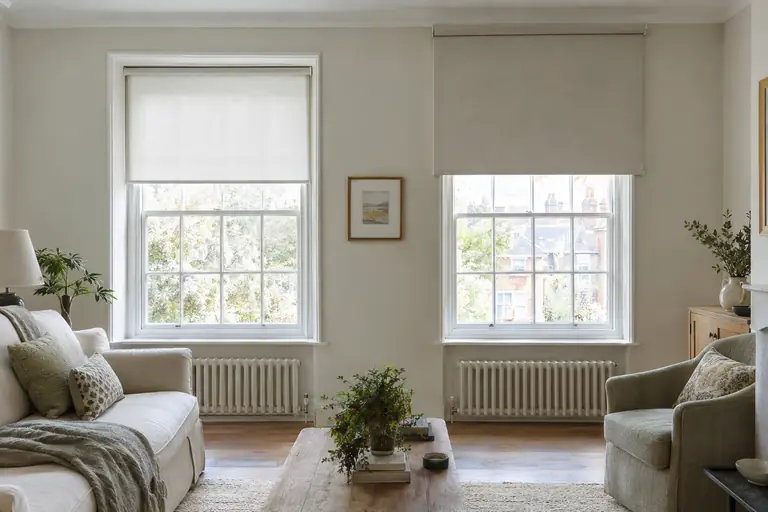
7 min read
Recess fit or exact fit? How to decide where your blind goes
Every made-to-measure blind is either fitted inside the window opening or on the wall around it. The choice changes how much light gets in round the edges, whether the frame stays on show, and whether the blind clears the handles, the sill and the tiles.
Read the guide9 min read
What happens at a free home appointment
Choosing blinds, curtains or shutters from a screen is guesswork, which is why we come to you. Here is what happens at a free home appointment, from finding a date for your postcode to the written price, and what happens afterwards if you decide to go ahead.
Read the guideRoom by room
What works in bedrooms, bathrooms, kitchens, conservatories and more.
9 min read
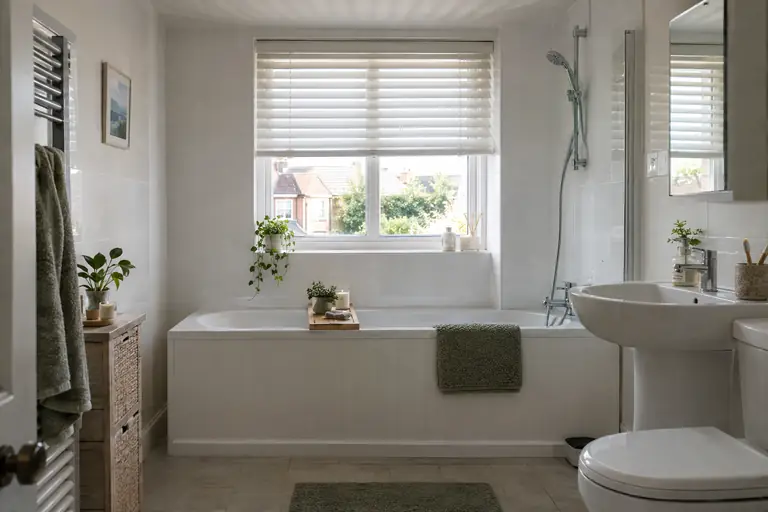
Bathroom blinds: moisture, privacy and easy cleaning
A bathroom window takes more steam in a morning than most windows see in a month, and it is the one room where privacy matters most with the light on. The right blind shrugs off damp, wipes clean and still lets you open the window.
Read the guide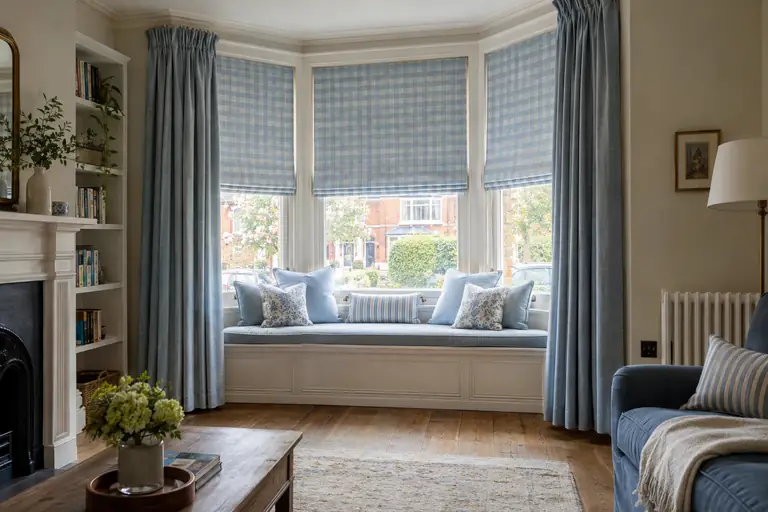
8 min read
Bay window ideas: blinds, curtains and shutters
A bay window is the best feature in many British front rooms and the hardest window in the house to dress. Three or more panes at angles, returns that are rarely square and a lot of cold glass all need solving, and the answer is usually a combination rather than a single product.
Read the guide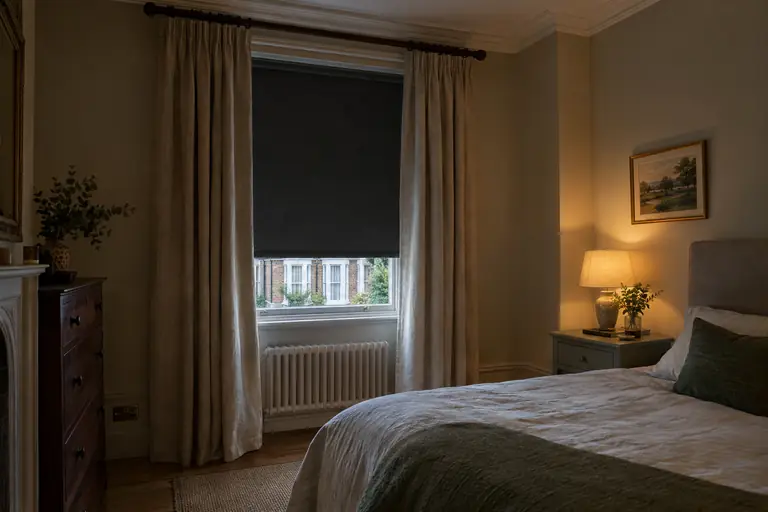
9 min read
Bedroom blinds and curtains: sleep, privacy and warmth
A bedroom window has several jobs that pull against each other. It should let the morning in when you want it, keep the street out in the evening, and stay properly dark from lights out until the alarm. Most bedrooms need more than one layer to manage all of that.
Read the guide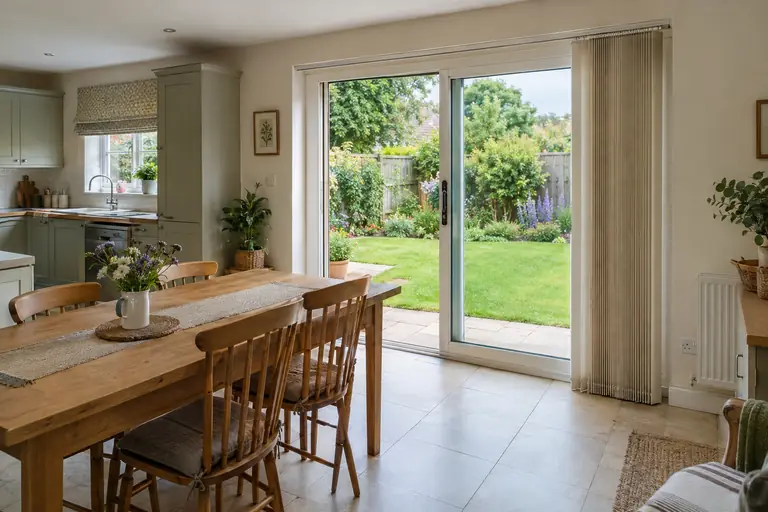
8 min read
Blinds for patio doors, French doors and bi-folds
A garden door is a door first and a window second. Whatever covers it has to get out of the way every time someone walks through, clear the handles and survive children, dogs and shopping bags, while still dealing with glare, privacy and a large area of cold glass.
Read the guide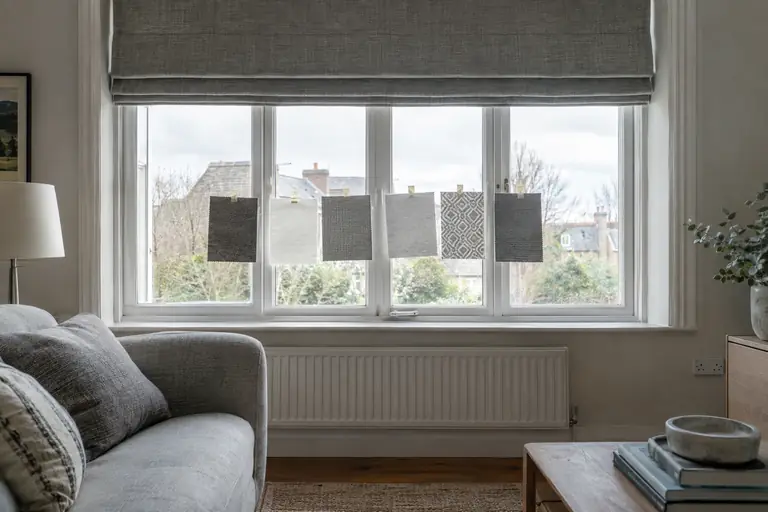
8 min read
Choosing colours and patterns for blinds and curtains
Colour at a window behaves differently from colour anywhere else in the room. It is lit from behind by day and from the front at night, and it sits in the sun for years. That changes how you should choose it.
Read the guide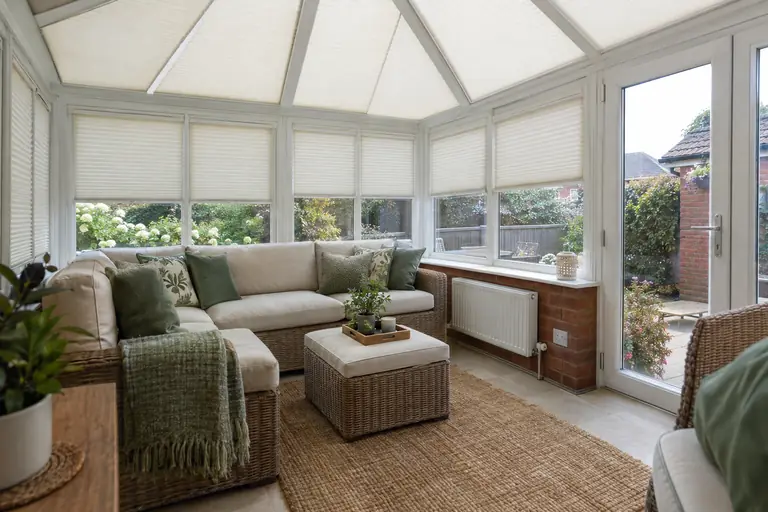
9 min read
Conservatory blinds: roofs, walls, gable ends and lanterns
A conservatory is a room made mostly of glass, which is its charm and its problem. Too hot in July, chilly in January, glaring in the afternoon and on show to the neighbours. Blinds can fix most of that, but the roof, the walls, a gable end and a lantern each need a different answer.
Read the guide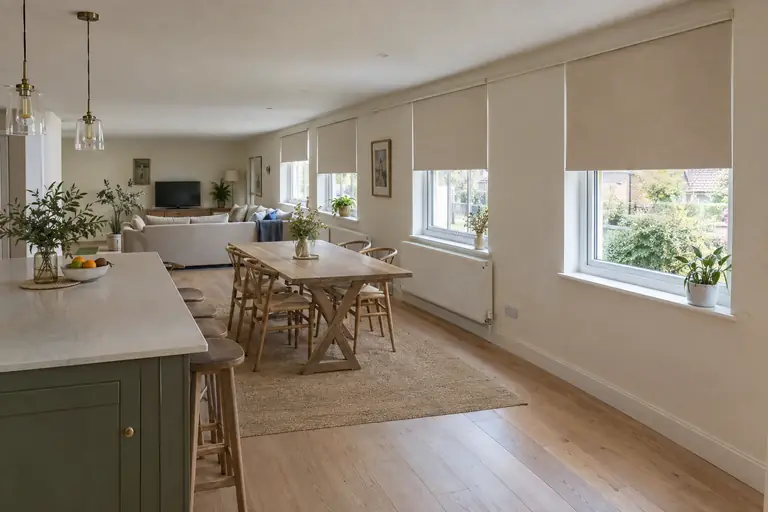
8 min read
Dining rooms and open-plan spaces: dressing a run of windows
An open-plan room, or a dining room with windows on two walls, is judged as a whole. Blinds that are each fine on their own can look like a string of separate decisions once you see them together. The answer is to plan the room first and the windows second.
Read the guide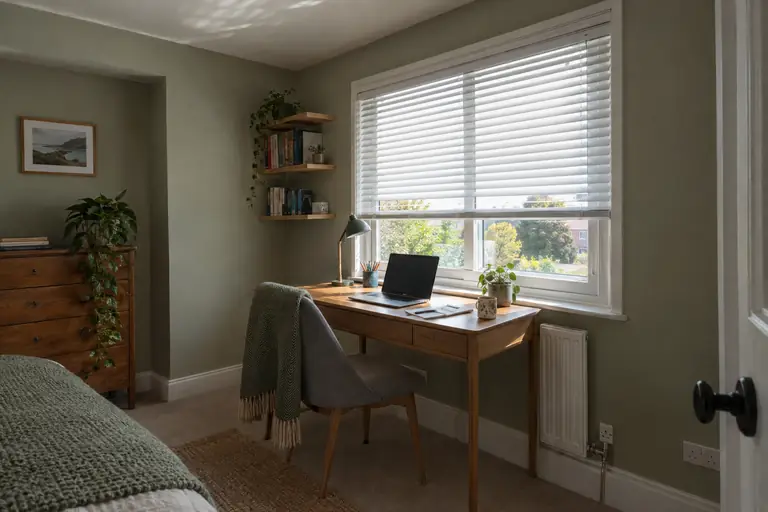
9 min read
Home office blinds: glare, screens and video calls
Working from home puts a screen in a room that was never planned for one. The window that made a spare bedroom pleasant becomes the thing reflecting in your monitor, lighting you from behind on every call and warming the room by mid-afternoon.
Read the guide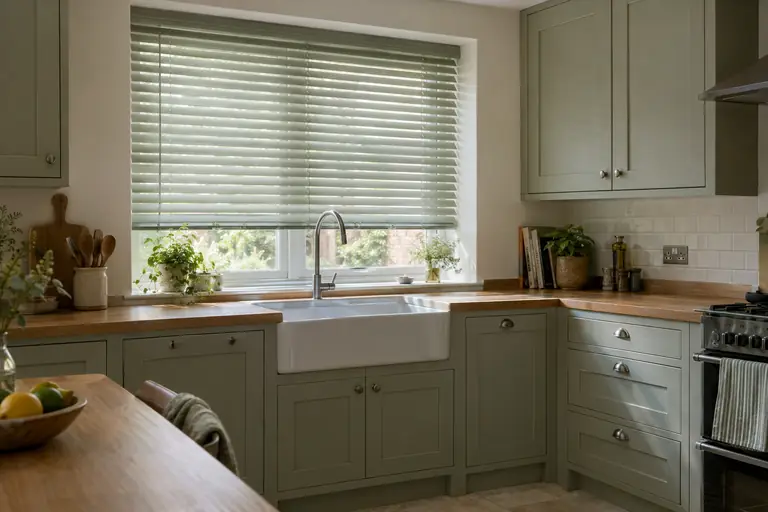
8 min read
Kitchen blinds: coping with steam, splashes and the hob
A kitchen window works harder than any other. It is splashed at the sink, steamed by the kettle, filmed with grease from the hob and operated with wet hands, often from across a worktop. The right blind copes with all of that and still looks good a few years on.
Read the guide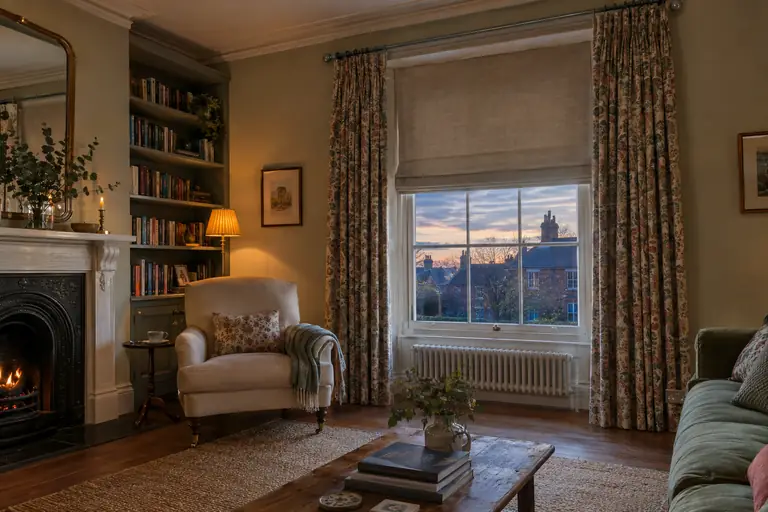
8 min read
Layering blinds and curtains on the same window
A blind and a pair of curtains on the same window is one of the most common schemes we fit, and one of the most useful. Each layer does the job it is best at, but the two only work together if the reveal, the pole and the controls are planned as one.
Read the guide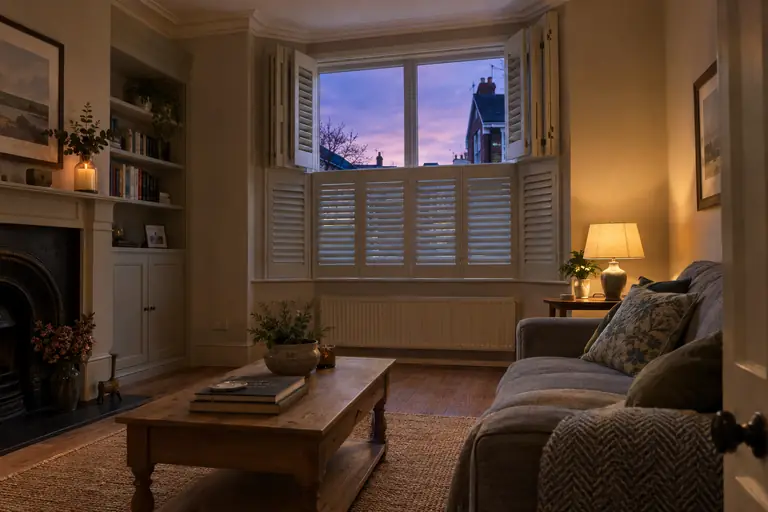
8 min read
Living room blinds, curtains and shutters: glare, privacy and light
The living room is used from breakfast to late evening, and its windows have to keep up: daylight when you want it, no glare on the television, the street kept out once the lamps are on, and the afternoon sun kept off the sofa.
Read the guide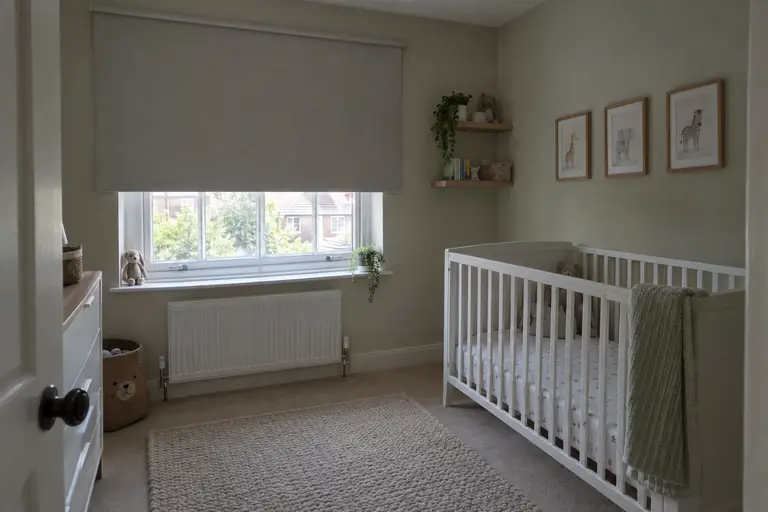
9 min read
Nursery and children's room blinds: safe, dark and easy to clean
A child's room asks more of a blind than any other room in the house. It has to be safe around a baby who will soon be a climber, dark enough for daytime naps and light summer evenings, and tough enough to survive sticky fingers for years.
Read the guide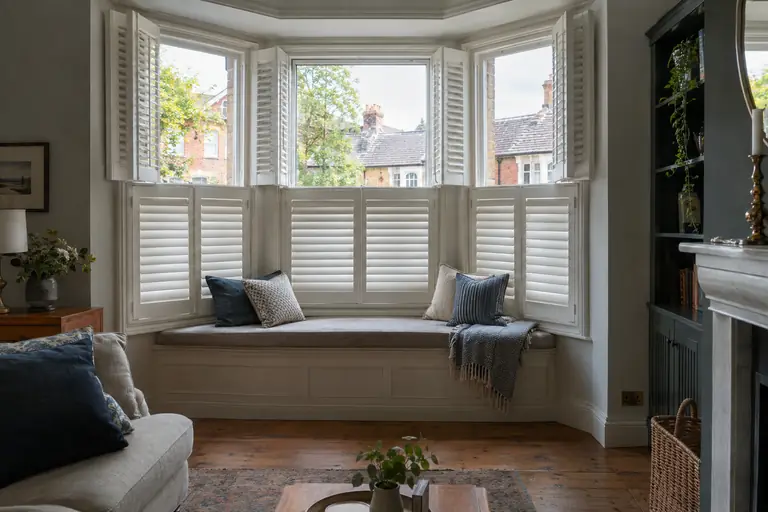
8 min read
Shutters for bay windows: angles, frames and the right style
A bay is three, four or five windows set at angles, and it is where shutters make their strongest case. Built as a set, they turn the bay into one piece of joinery instead of several coverings that happen to sit near each other.
Read the guide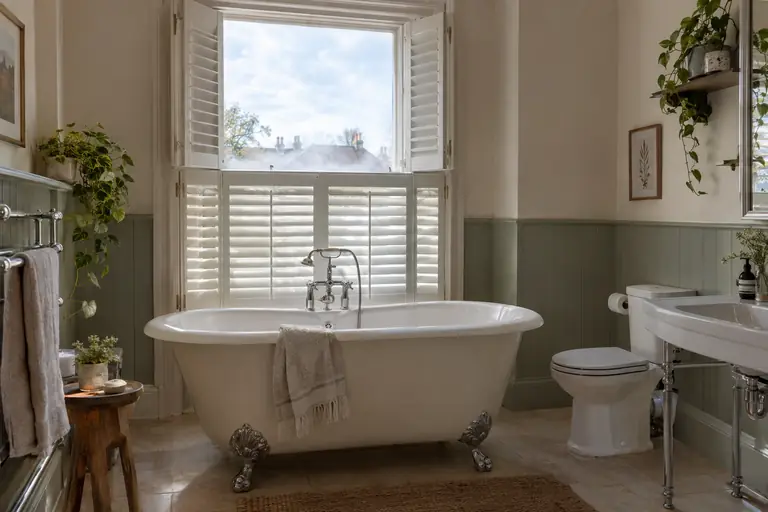
7 min read
Shutters in bathrooms and kitchens: steam, splashes and privacy
Bathrooms and kitchens are hard on anything at a window: steam twice a day, splashes, grease near the hob and a window you need to open. Shutters handle all of it well, as long as the material and the style are chosen for the room.
Read the guide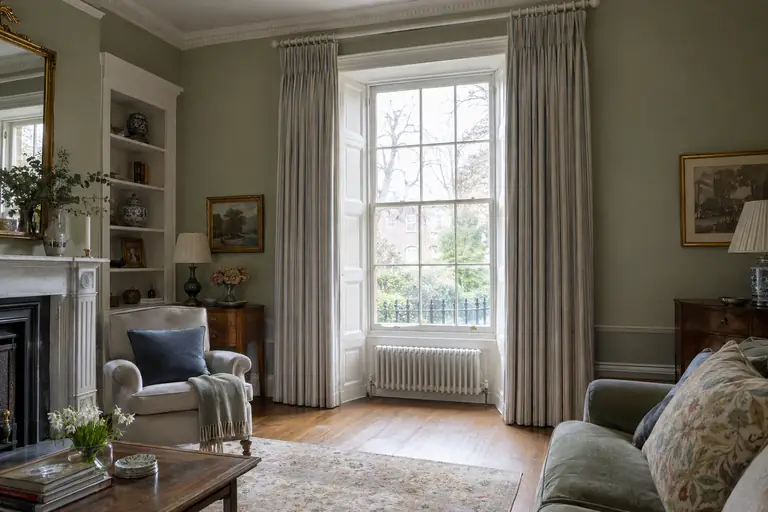
8 min read
Window dressing for period and listed homes
Older houses have the windows that most reward care and most punish a standard size: tall sashes, deep stone reveals, openings that taper and frames that have settled for a century. Some come with rules too, because listing covers the inside of a building as well as the outside.
Read the guideCare, safety and warmth
Cord safety, cleaning, keeping warm or cool, repairs and your rights.
9 min read
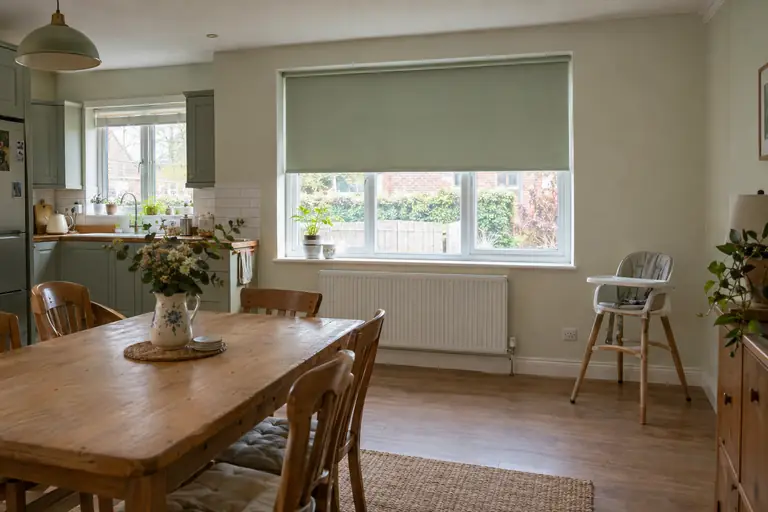
Blind cord safety: what the rules require and how to stay safe
A looped cord or chain on a blind is a strangulation risk to babies and toddlers. The standards were tightened in 2014, fitting the safety devices is now part of the job, and a few simple checks deal with the older blinds still hanging in plenty of homes.
Read the guide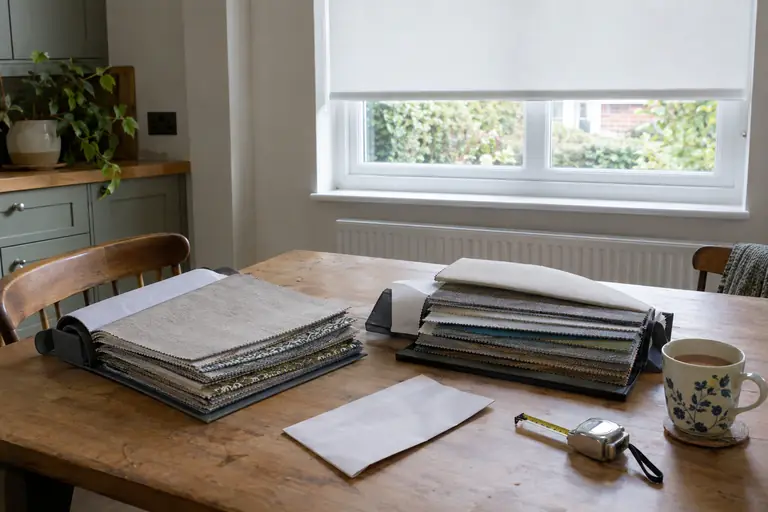
9 min read
Buying made-to-measure: your rights, deposits and guarantees
Made-to-measure is different from buying off the shelf. Some rights you might expect do not apply, others apply in full, and when and where you say yes matters. Here is a plain-English guide to what the law says, with the sources, and what we add on top.
Read the guide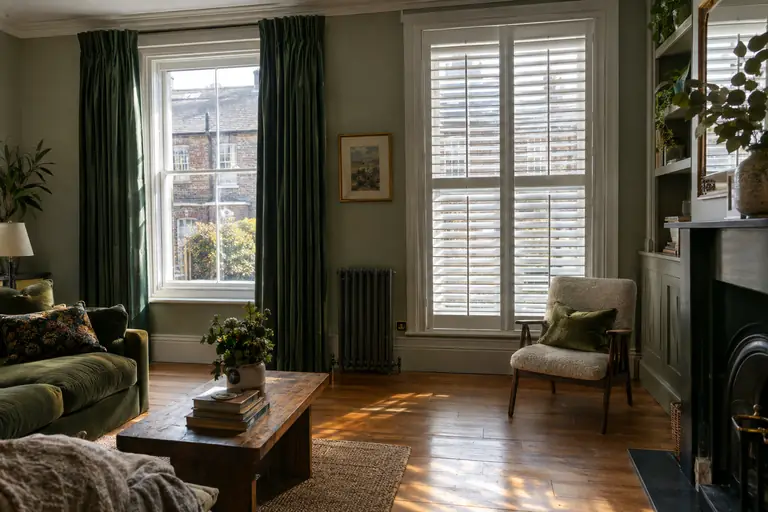
9 min read
Caring for curtains and shutters: cleaning, sunlight and damp
Curtains and shutters last a long time if you let them. The biggest threats to curtain fabric are sunlight, condensation and the washing machine; a shutter's are steam in the wrong room and being forced. This guide covers both.
Read the guide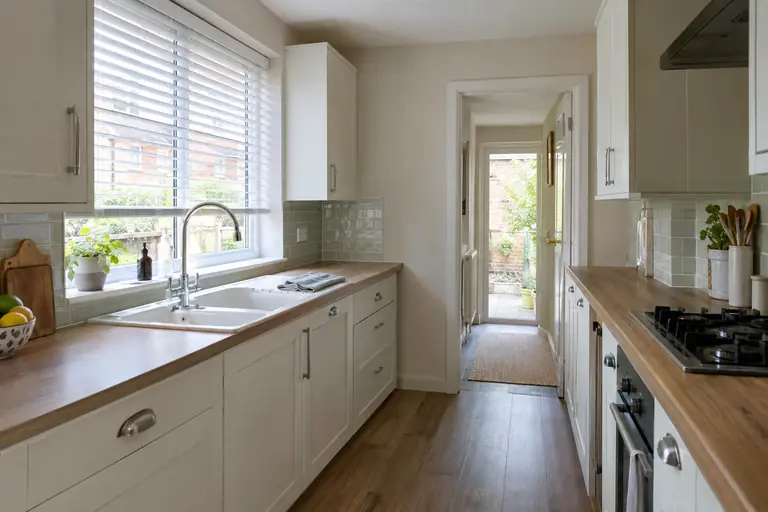
9 min read
Cleaning and caring for blinds: a type-by-type guide
Most blinds need less cleaning than people give them, and the damage usually comes from too much water rather than too little. Here is how to look after each type, and the few habits that keep a blind hanging straight and running smoothly.
Read the guide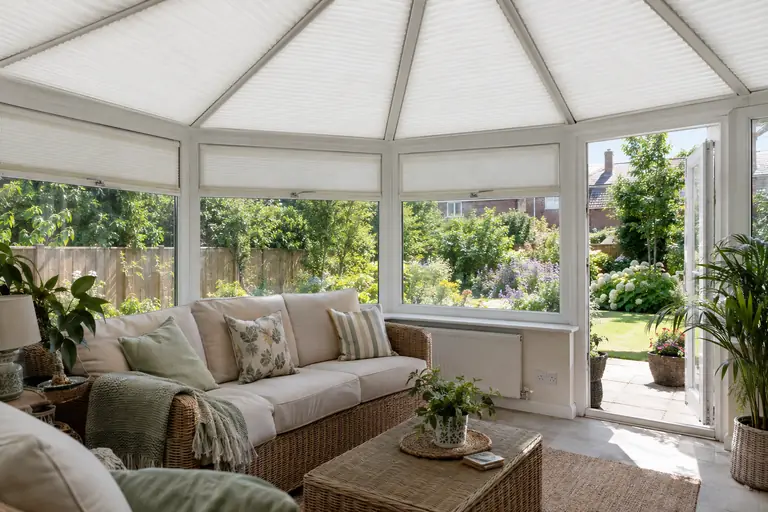
9 min read
Keeping rooms cool in summer with blinds and shutters
The simplest way to keep a room cool is to stop the sun heating it in the first place. Blinds, curtains and shutters do that well, provided they are closed at the right time on the right windows. This guide covers how, room by room.
Read the guide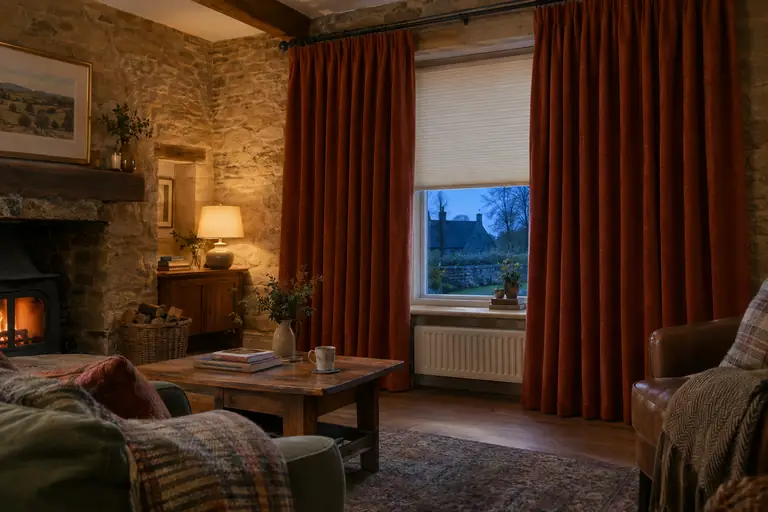
9 min read
Keeping your home warm with blinds and curtains
A window is usually the coldest surface in a room. What you hang in front of it can slow the heat escaping through the glass, provided it is the right material, fitted close, and closed at the right time. Here is what makes the difference.
Read the guide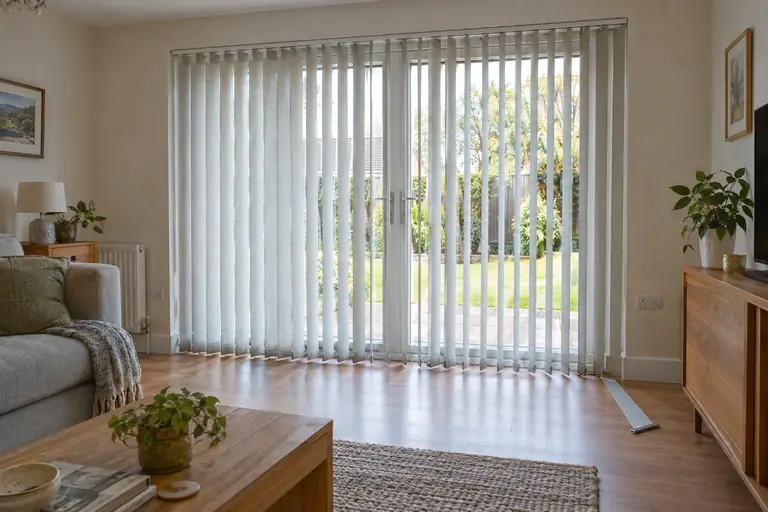
9 min read
Repairs, spare parts and replacement slats for blinds
A blind that stops working has usually failed at one small part: a chain, a bracket, a wand, a clip or a single slat. Most of those can be replaced without remaking the blind, which keeps a working blind on the window and out of the skip.
Read the guideBook a free home appointment
An advisor comes to you with the full range, measures precisely and prices the job on the spot. It costs nothing and there's no pressure to buy.