The short answer
To stop draughts from windows, first find where the air gets in: usually worn seals, gaps where the window meets the frame, or loose sashes. Seal those gaps with draught-proofing strips or a bead of sealant, and adjust or replace tired seals on uPVC windows. Then add a layer that holds warmth in at night, such as thermal curtains, honeycomb blinds or shutters. Keep trickle vents open: a home still needs some fresh air.
- Most window draughts come from worn seals, gaps around opening sashes or cracks where the frame meets the wall.
- Find them on a windy day with a damp hand or a strip of tissue held near the frame.
- Self-adhesive seals, brush strips for sash windows and sealant for fixed gaps solve most draughts.
- Thermal curtains, honeycomb blinds and shutters cut the chill from cold glass once the gaps are sealed.
- Do not block trickle vents or air bricks: draught-proofing should stop unwanted air, not all air.
Where do window draughts come from?
A draught is cold air finding its way through a gap. On windows, the usual places are the seals around the opening part of the window, the joint where the frame meets the wall, the meeting rails and sides of sash windows, and old or loose hinges and catches that no longer pull the window tight.
There is a second kind of chill that feels like a draught but is not one. On a cold night the glass cools the air next to it, that air sinks, and a slow stream of cold air rolls down the window and across the floor. You feel it on your ankles even when every seal is perfect. Sealing gaps fixes the first problem; a good window dressing fixes the second.
It helps to know which you have, because the fixes are different. A whistle, a moving curtain on a still day, or cold you can feel at one spot on the frame points to a gap. A general chill near the glass that is worse after dark points to cold glass.
How do you find a draught around a window?
Pick a cold, windy day, when the difference between inside and outside is largest. Close all the windows and doors in the room and turn off any extractor fans.
Run the back of a damp hand slowly around the edge of each opening part of the window, the joint between the frame and the wall, and the sill. A damp hand feels moving air far more easily than a dry one. A thin strip of tissue held near the frame works too: it flutters wherever air is coming through. Avoid using a candle or lighter near curtains and blinds.
Also check the obvious: a window that does not close firmly, a catch that has worked loose, cracked or missing sealant outside, and gaps in the seals where the rubber has shrunk or perished. Mark each draughty spot with a piece of masking tape so you can come back to it.
How do you stop draughts on uPVC and casement windows?
Modern uPVC and aluminium windows have rubber seals, called gaskets, that the window presses against when it is closed. Over time these flatten, shrink at the corners or come loose. Pushing a loose gasket back into its groove, or replacing a perished one, often cures the draught on its own.
Many uPVC windows can also be adjusted to close more tightly. The locking cams on the edge of the sash, and the keeps they lock into, usually have a small adjustment that pulls the window harder against the seal. Check your window maker's instructions, or ask a window company if you are unsure.
On timber casement windows, self-adhesive foam or rubber strips fitted to the frame where the window closes will seal most gaps. Choose a strip that fills the gap without stopping the window shutting. Cracks between the frame and the wall, inside or out, can be filled with a flexible sealant.
How do you stop draughts on sash windows?
Sash windows are some of the draughtiest in the UK, because the sashes have to slide. Air comes in at the meeting rails in the middle, at the sides where the sashes run, and at the top and bottom.
Brush strips are the usual answer. They are fitted into or onto the beads at the sides and along the meeting rail, and they seal the gaps while still letting the window slide. Specialist sash firms can fit them into the timber so they barely show. Do not paint the sashes shut or fill the gaps with hard filler: the window needs to open.
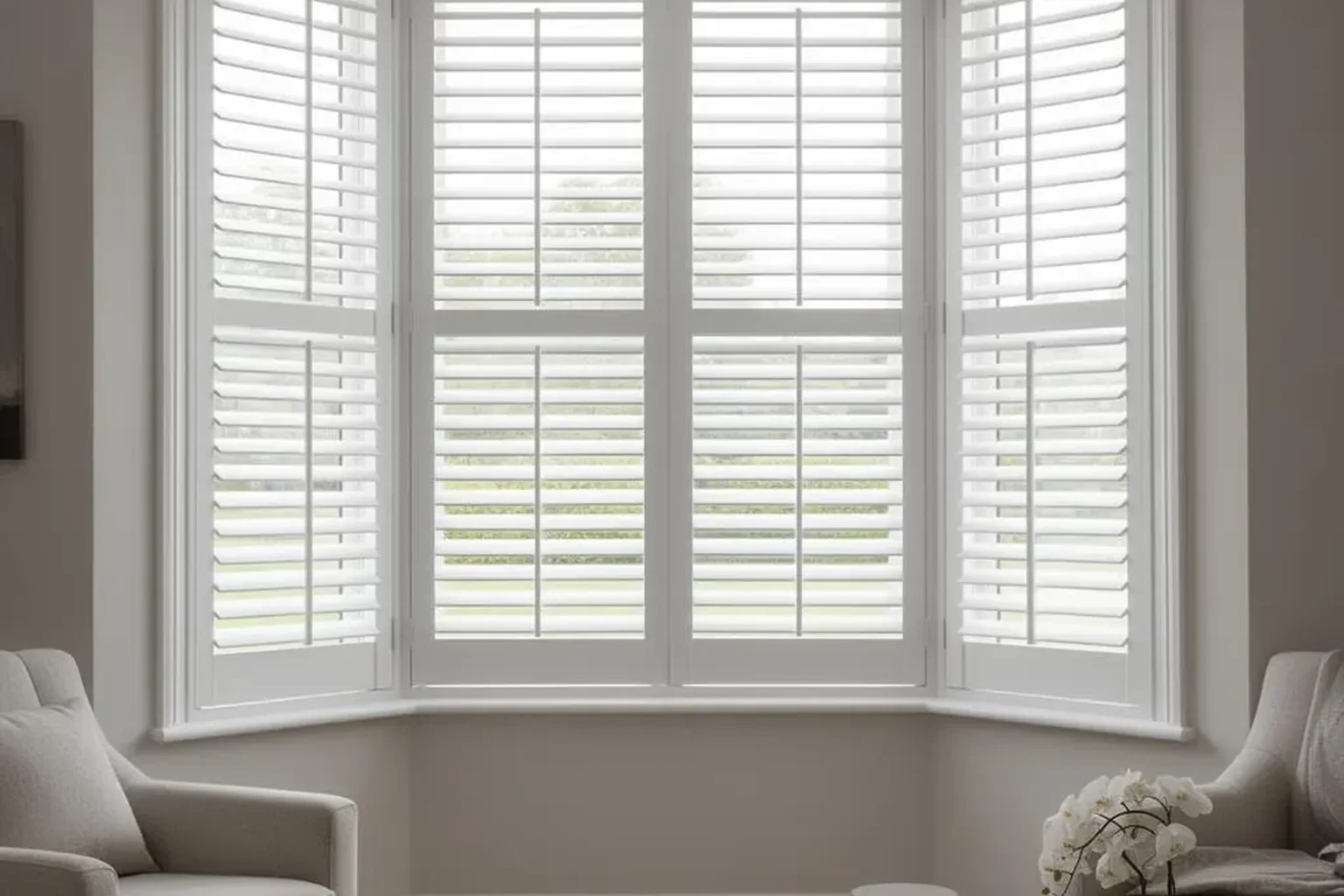
Sash windows are also where window dressings make the biggest difference. In lab tests on a traditional single-glazed sash window, Historic Environment Scotland found that timber shutters cut heat loss through the glass by 51%, a modern roller blind by 22% and curtains by 14%.
Do thermal blinds and curtains stop draughts?
A blind or curtain does not seal a gap the way a strip of draught-proofing does. What it does is trap a layer of still air between the fabric and the glass. That layer slows the heat escaping through the window and stops the cold air rolling off the glass into the room, which is the chill most people notice after dark.
Government advice on draught-proofing says heavy curtains can reduce heat loss through a window at night, and the Energy Saving Trust lists heavy thermal curtains among the ways to reduce heat lost through windows. Historic England's research found heat loss through traditional windows can be significantly reduced with curtains, interior shutters and blinds, and more so with insulating curtain liners or cellular blinds.
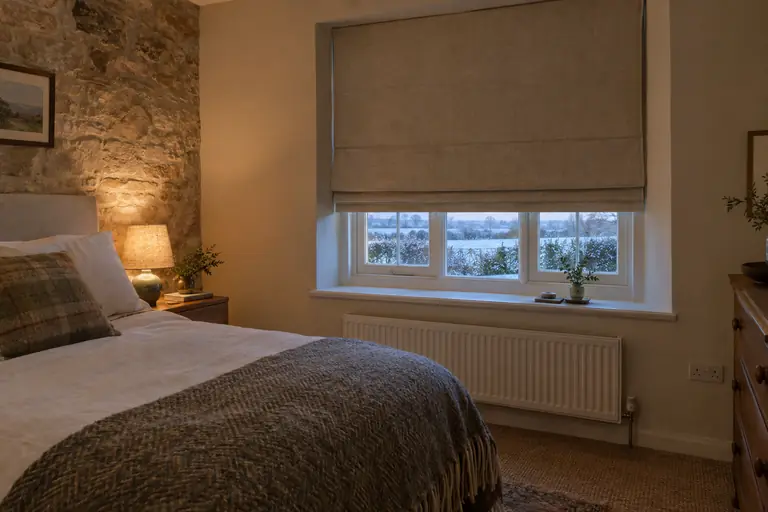
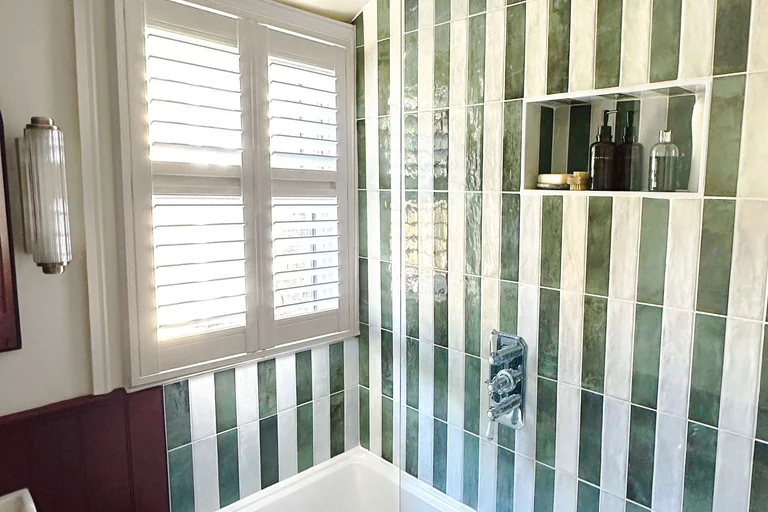
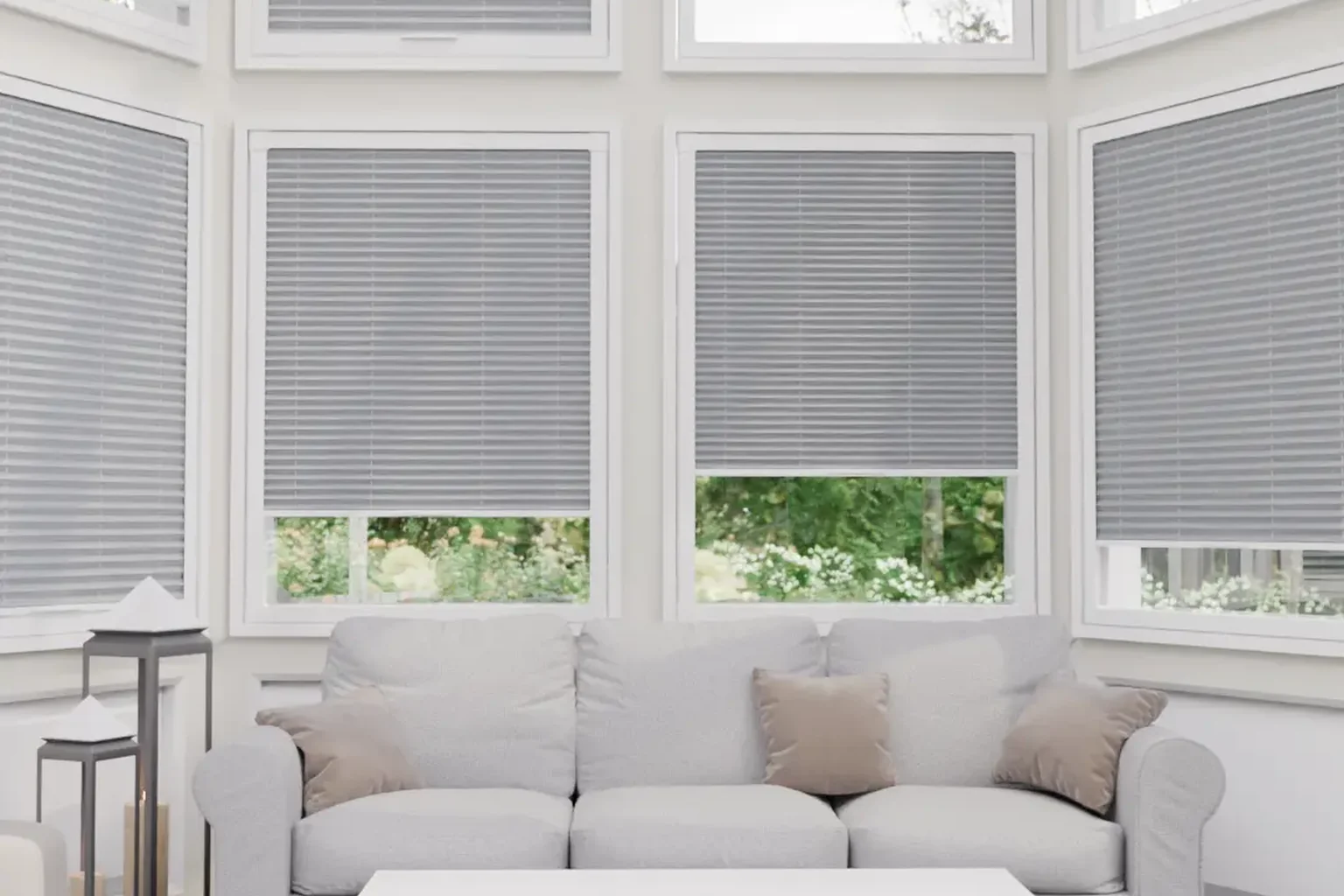
The best options are thermal blinds, honeycomb blinds whose cells hold a layer of air, Roman blinds with a thermal lining, and shutters.
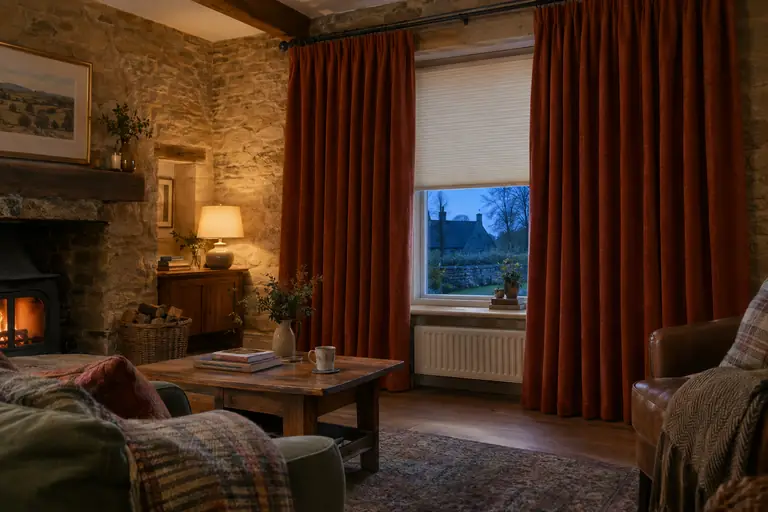
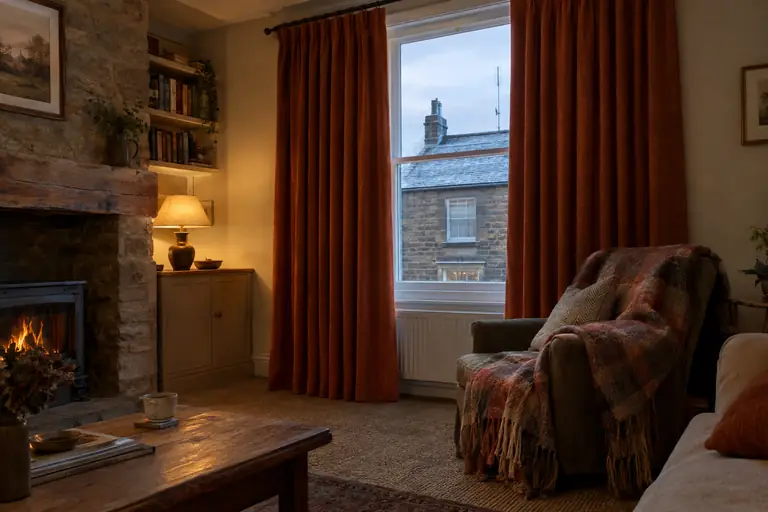
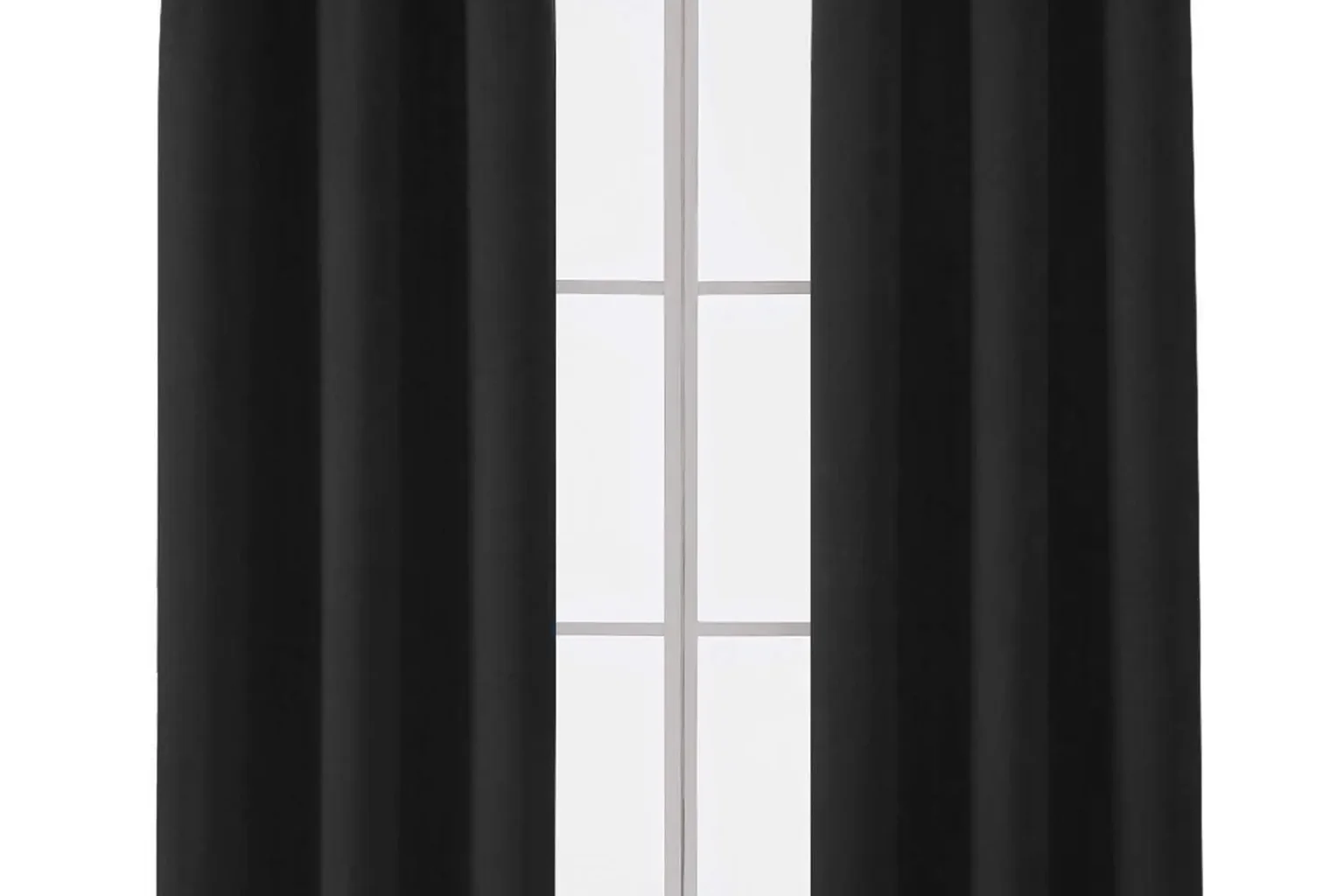
For curtains, choose thermal curtains or add a thermal lining to the ones you love.
How should blinds and curtains be fitted to keep the cold out?
Fitting matters as much as the fabric. A blind fitted inside the recess with large gaps at the sides lets cold air slip round the edges. An exact-fit blind, fitted outside the recess with an overlap of about 50mm at the sides and top, covers those gaps and traps more air behind it. Perfect fit blinds, which sit in a slim frame on the glass of uPVC windows, leave no side gaps at all.
For curtains, a pole or track that extends well past each side of the window lets the curtains overlap the wall when closed. Floor-length curtains, or ones that finish just on the sill, seal the bottom edge better than curtains that stop in mid-air.
Avoid curtains that hang over a radiator below the window. They send the radiator's heat up behind the curtain and onto the cold glass. If the radiator sits under the window, a blind or sill-length curtain keeps the warmth in the room. Our guide to keeping your home warm covers this in more detail.
What should you not block?
Draught-proofing should stop unwanted cold air, not all air. Trickle vents, the small slots in the top of many window frames, are there to let a little fresh air in and moisture out. Keep them open and make sure blinds, pelmets and curtain headings do not cover them.
The same goes for air bricks, wall vents and the extractor fans in kitchens and bathrooms. A home that is sealed too tightly holds more moisture, and that shows up as condensation running down the glass in the morning. If you notice more condensation after draught-proofing, open the trickle vents, ventilate while cooking and showering, and air rooms for a few minutes each morning.
If a window is rotten, the double-glazed unit has misted up between the panes, or the frame is badly warped, draught-proofing will only go so far. That is a job for a window repair company before any new blind or curtain goes up.
Which rooms need the most help with draughts?
Living rooms and bedrooms are where you sit still, so they are where draughts are felt most. A sealed window plus thermal curtains or a honeycomb blind makes the biggest difference to comfort on winter evenings.
Bay windows have more glass and more joints than a flat window, so they lose more heat. Blinds on each face of the bay, with a pair of thermal curtains across the whole bay on a curved track, give two layers of protection. Older terraced and Victorian homes with sash windows benefit most from brush strips and shutters.
In kitchens and bathrooms, ventilation matters more than sealing every gap, so choose a blind that copes with steam and keep the trickle vents open. Our advisors fit across the region, including blinds in West Yorkshire, where stone terraces and older sash windows are common.
If you are not sure which blind or curtain will keep a draughty room warm, Impress Blinds can help. An advisor visits your home, looks at each window, measures every one, brings samples, and leaves a written price, itemised per window, with nothing to pay on the day. Everything is made in our Batley workshop and fitted by our own team.
Checklist
- Check each window on a windy day with a damp hand or tissue
- Push back or replace loose and perished seals
- Adjust uPVC window catches so they close tightly
- Fit brush strips to sash windows
- Fill frame-to-wall cracks with flexible sealant
- Add thermal curtains, honeycomb blinds or shutters
- Keep trickle vents and air bricks clear
Side by side
Self-adhesive seals and brush strips
- What it does
- Seal gaps where the window opens
- Best for
- Casement and sash windows with worn seals
Flexible sealant
- What it does
- Fills cracks between frame and wall
- Best for
- Fixed gaps that never need to open
Thermal curtains
- What it does
- Trap air against the window at night
- Best for
- Living rooms and bedrooms
Honeycomb blinds
- What it does
- Air held in the cells slows heat loss
- Best for
- Bedrooms, bay windows, conservatories
Shutters
- What it does
- Solid panels hold a layer of still air
- Best for
- Sash windows and period homes
Perfect fit blinds
- What it does
- Sit on the glass with no side gaps
- Best for
- uPVC and tilt-and-turn windows