

Curtains
Velvet curtains, made to measure
Heavy, rich pile fabric with real depth of colour and a generous drape. Every pair is cut and sewn to your window, hand-finished in Britain, then hung and dressed by the fitter who brought them.
Buying guide: Velvet and voile curtains: heavy drama and light privacy · 9 min read
4.82,192 Google reviews- Price promise
- Same product, same service — find it cheaper and we'll match it.
- Measuring & fitting included
- Our own fitter measures and installs. No DIY, no surprise charges.
Start with the heading
Four ways a curtain can hang
The heading changes how much wall the curtains stack back onto, how deep the folds sit and, quite often, the price. Pick a style to filter the ranges below.
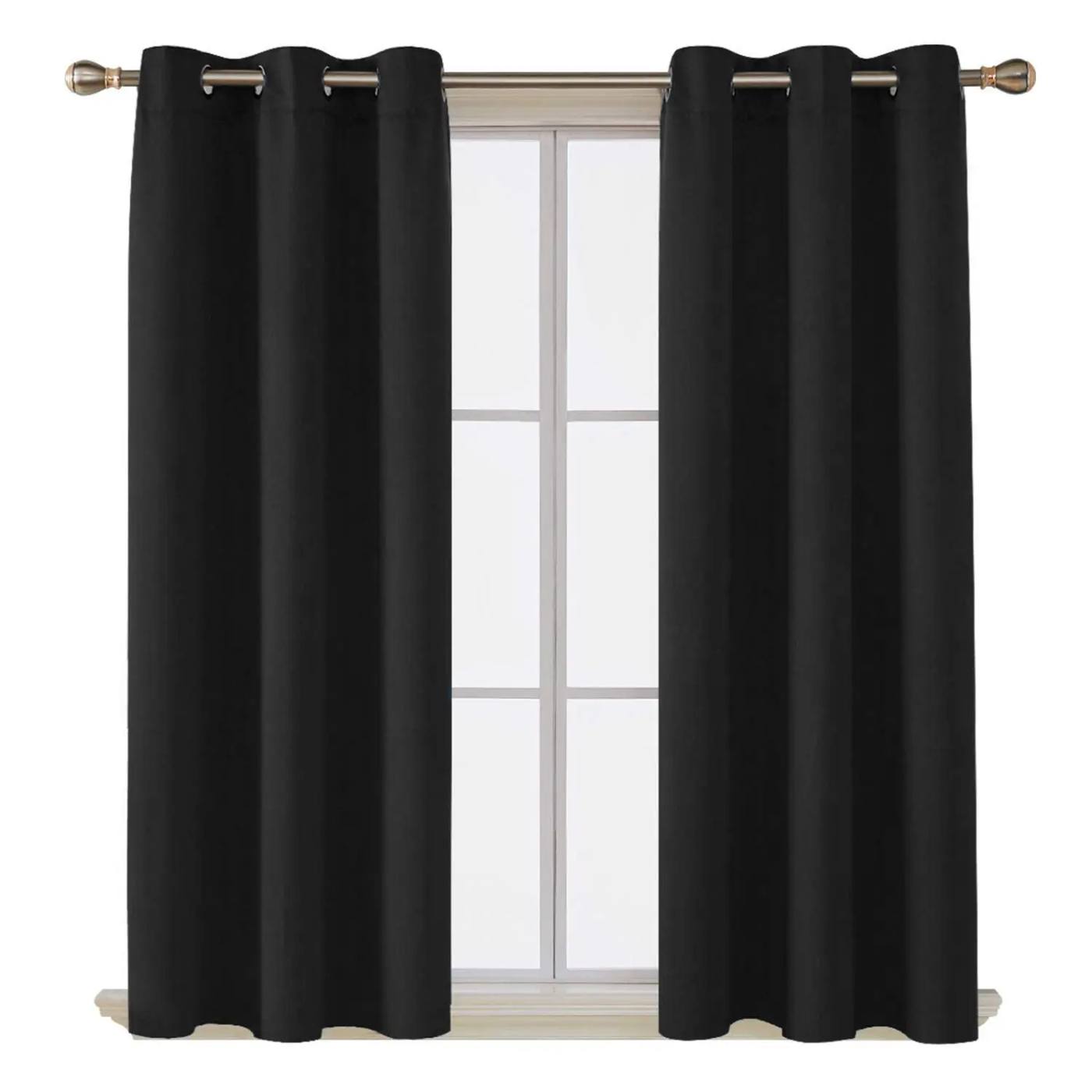
Eyelet
Metal rings run straight onto the pole, so the fabric falls in deep, even waves and draws with one pull.
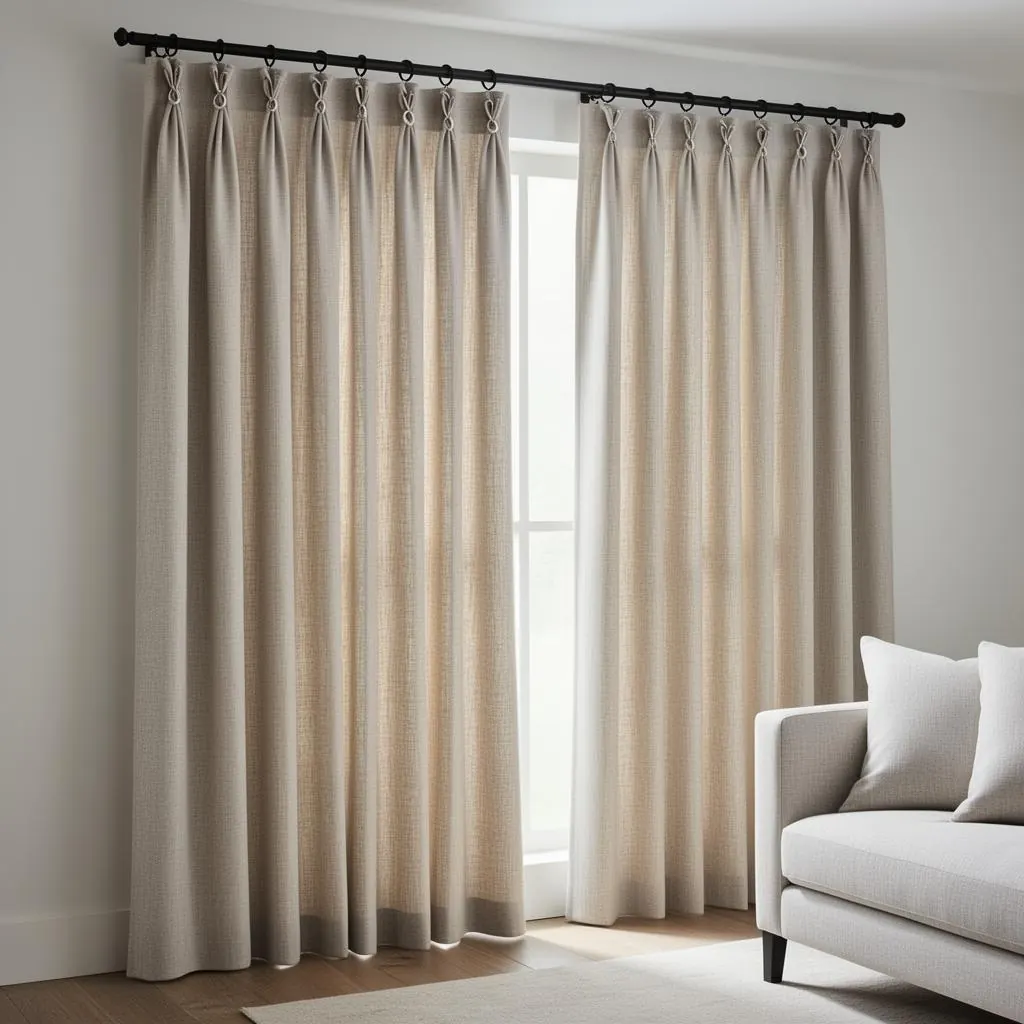
Pencil pleat
A gathered tape you can tighten to suit the window. The one heading that works on a pole or a track.

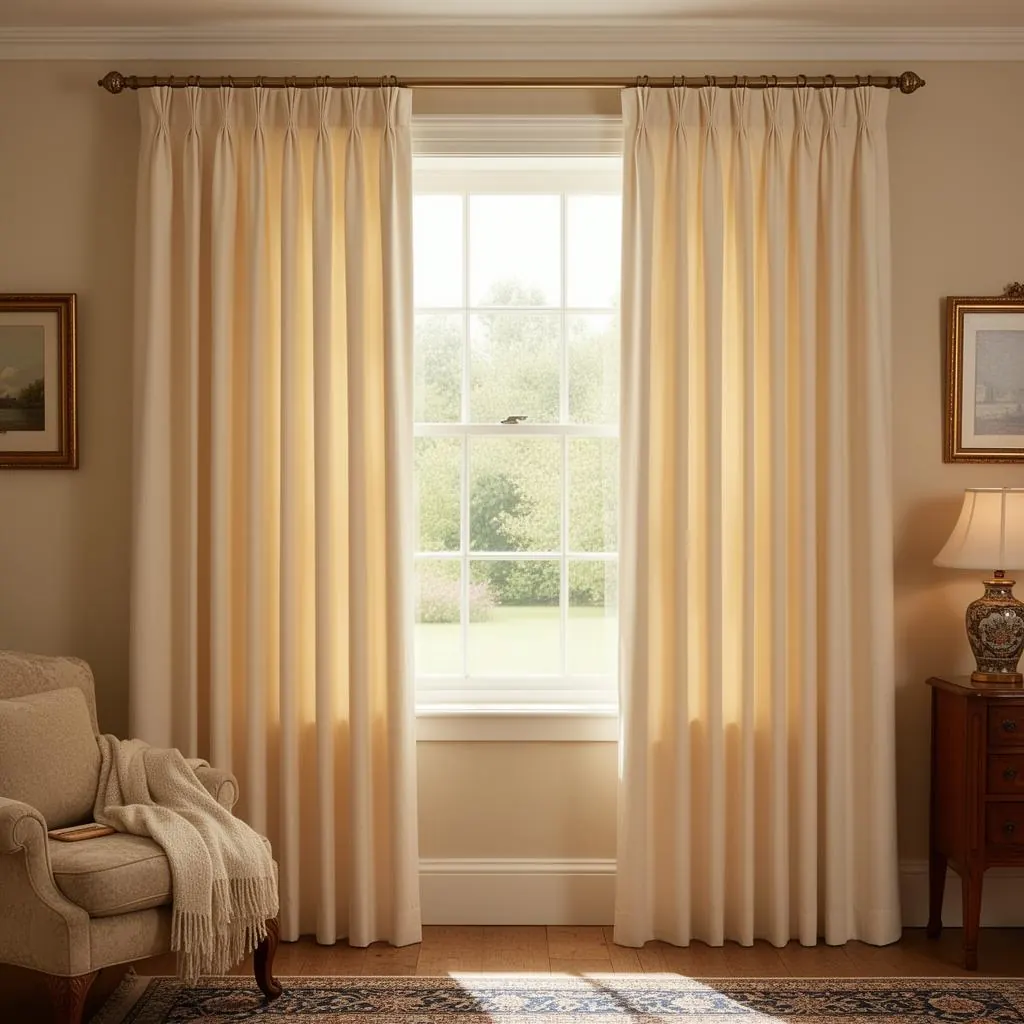
Pinch pleat
Pleats hand-formed in groups and stitched to hold. The most tailored option, and the one that stacks tightest.
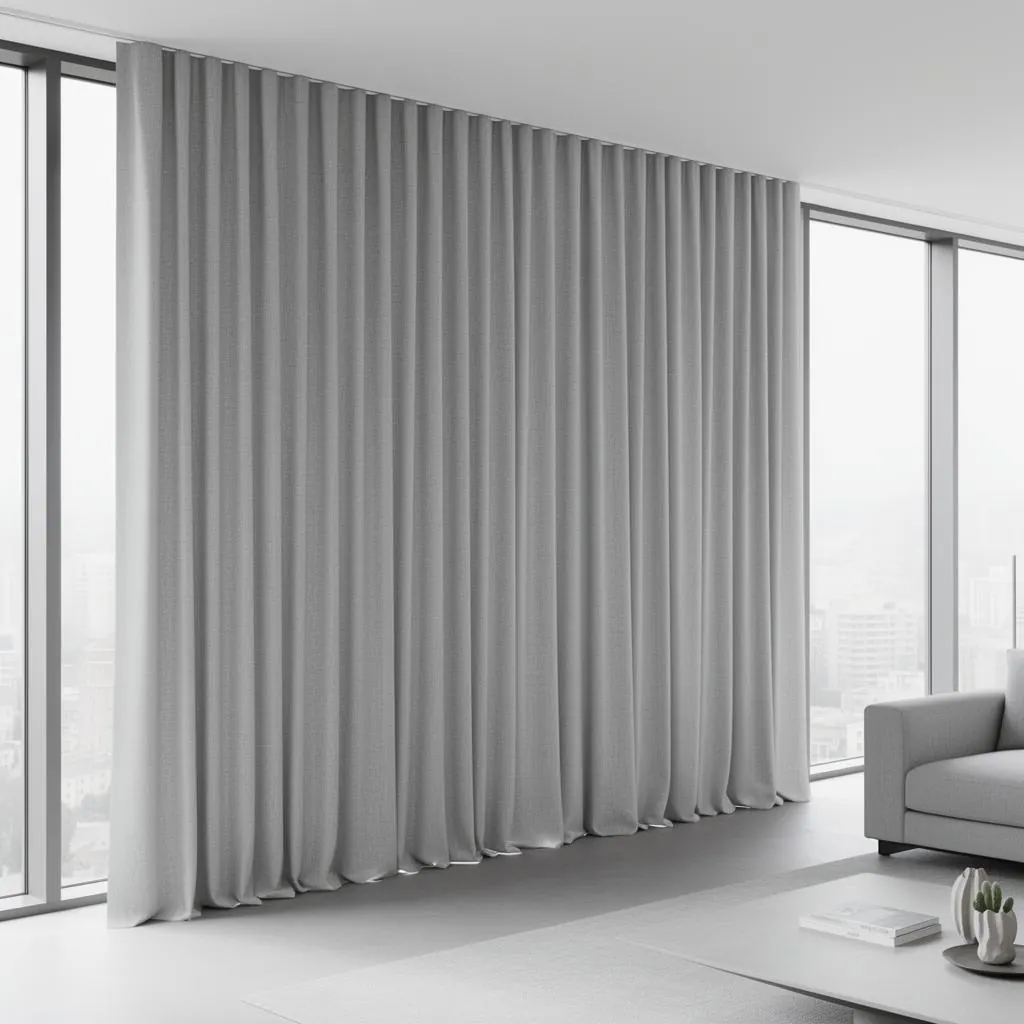
Wave
A continuous S-fold on a corded track. Clean and contemporary, and it needs a proper wall run to stack back onto.
Velvet curtains
Showing 6 of 6 · Velvet curtains
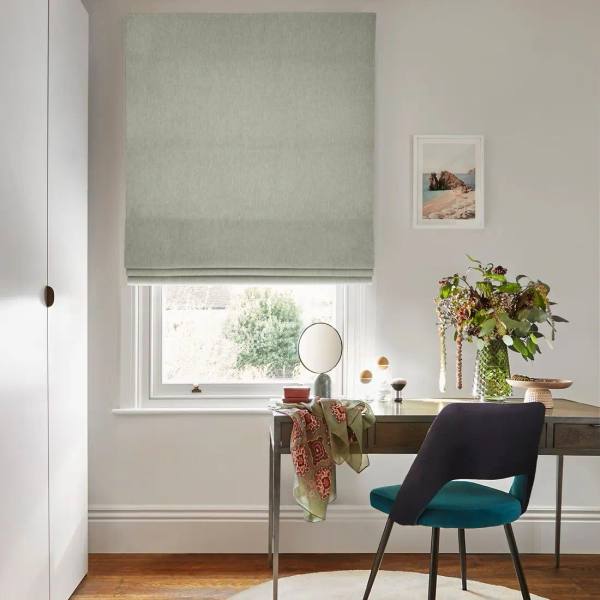
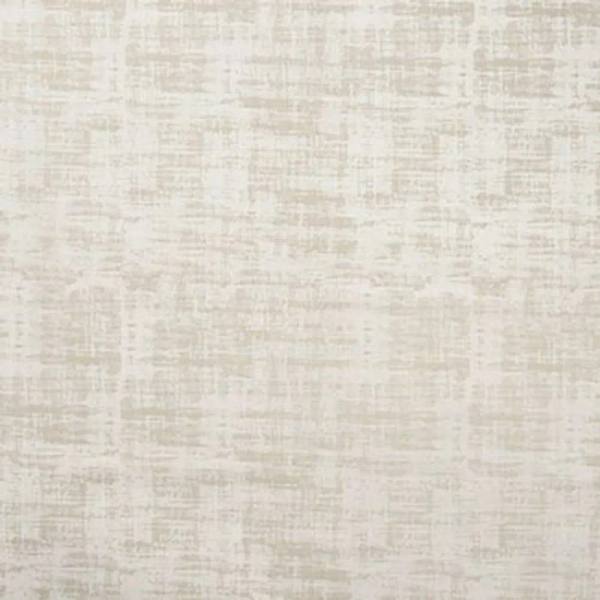
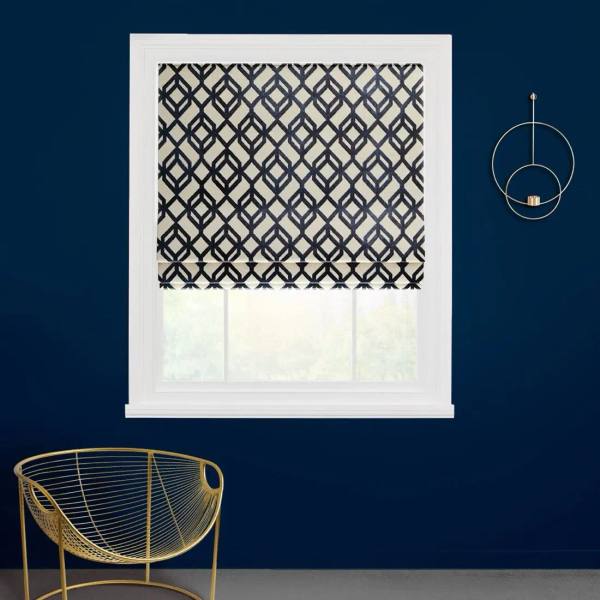
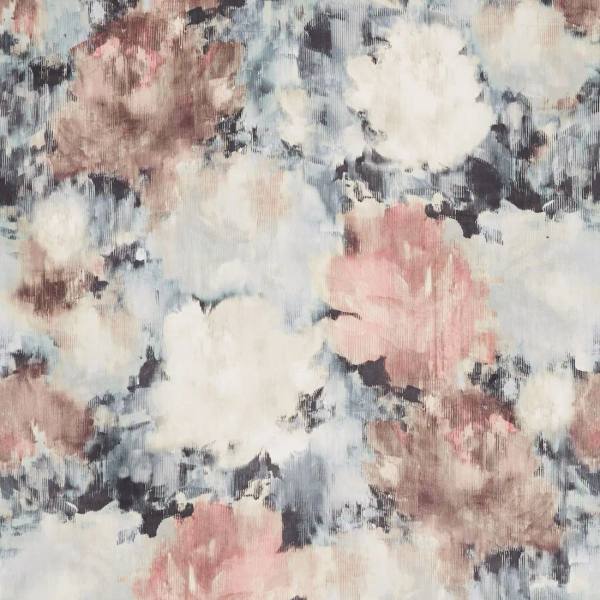
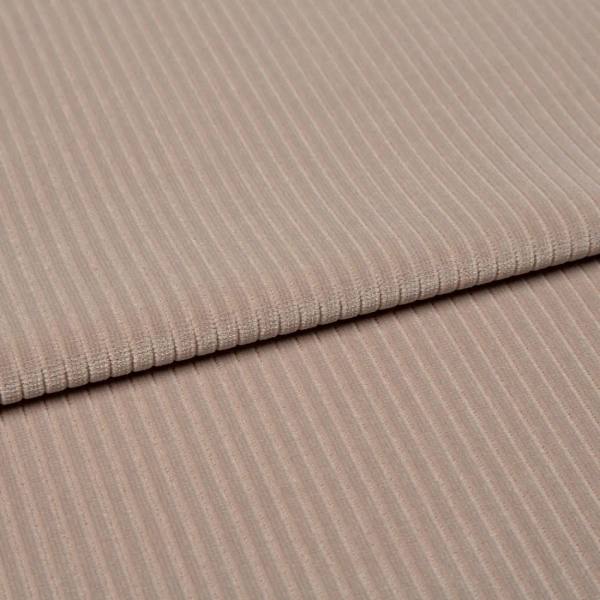
All 6 velvet curtain ranges, A–Z
Explained
Velvet curtains, explained
Velvet curtains are chosen for their soft pile, deeper colour and heavier drape. In this filter, that means a small mix of plain plush fabrics and raised-pattern designs, with heading options varying by range. Velvet tends to absorb light rather than bounce it back, which gives windows a quieter, weightier look than a flat weave. It is often used in bedrooms and living rooms, and can also work well on doors or larger openings where you want a fuller curtain. Your advisor can show headings, linings and colourways against your own room light.
Velvet curtains suit darker painted rooms, traditional spaces and more layered interiors, but plain designs can also soften newer schemes that need a little weight around the window.
Best for
- Bedrooms and living rooms where you want a softer, heavier drape
- Richer colour and a fabric surface that changes slightly with the light
- Larger windows or door curtains where fuller curtains suit the opening
- Schemes that need warmth and a more upholstered, layered look
Worth knowing
- Not every range shown here appears to be true velvet; some look more like textured weave or printed curtain fabrics
- Pile fabrics can show shading or light marks when brushed in different directions
- Bathrooms and steamy areas are usually better suited to other materials than heavy velvet curtains
How to choose
- 1
Decide whether you want plain or patterned
- 2
Pick the heading around the room and track
- 3
Think about lining as much as face fabric
Velvet curtains: questions people ask
Do velvet curtains always look shiny?
Not necessarily. Some velvets have a stronger sheen, while others look more matt or softly brushed. In this filter, the sample ranges include both richer, light-catching finishes and subtler velvet-look surfaces. Seeing the sample at your own window helps because pile changes character with the direction of light.
Are velvet curtains suitable for bay windows?
They can be, provided the heading and track or pole are chosen to suit the shape of the bay. A fuller fabric like velvet can sit very well in a bay, but it needs allowance for stack-back and the right movement around the angles. Your advisor will confirm what works on the day.
Can I have velvet curtains with blackout lining?
Yes, blackout lining is one of the lining options available for curtains. That can be useful in bedrooms or on windows that catch early light. The final choice depends on the fabric and heading you prefer, and your advisor can show how the different linings change the handle and look.
Do velvet curtains work on doorways as well as windows?
Yes, they are often used on door curtains because the heavier drape can look fuller across a taller opening. The main practical points are clearance, how the curtain will stack when open, and whether a pole or track suits the space better. Your advisor can measure the opening and talk it through.
What is the difference between velvet and velvet-look curtains?
True velvet has a cut pile that gives a distinct soft nap. Velvet-look fabrics can mimic that richness through brushing, texture or a raised surface without reading as a classic plain velvet. This filter appears to include both, so it is worth checking each range rather than assuming they are all the same cloth.
How it's made
How eyelet curtains work
Tap a number to see what each part does, and what you'll be choosing at your appointment.
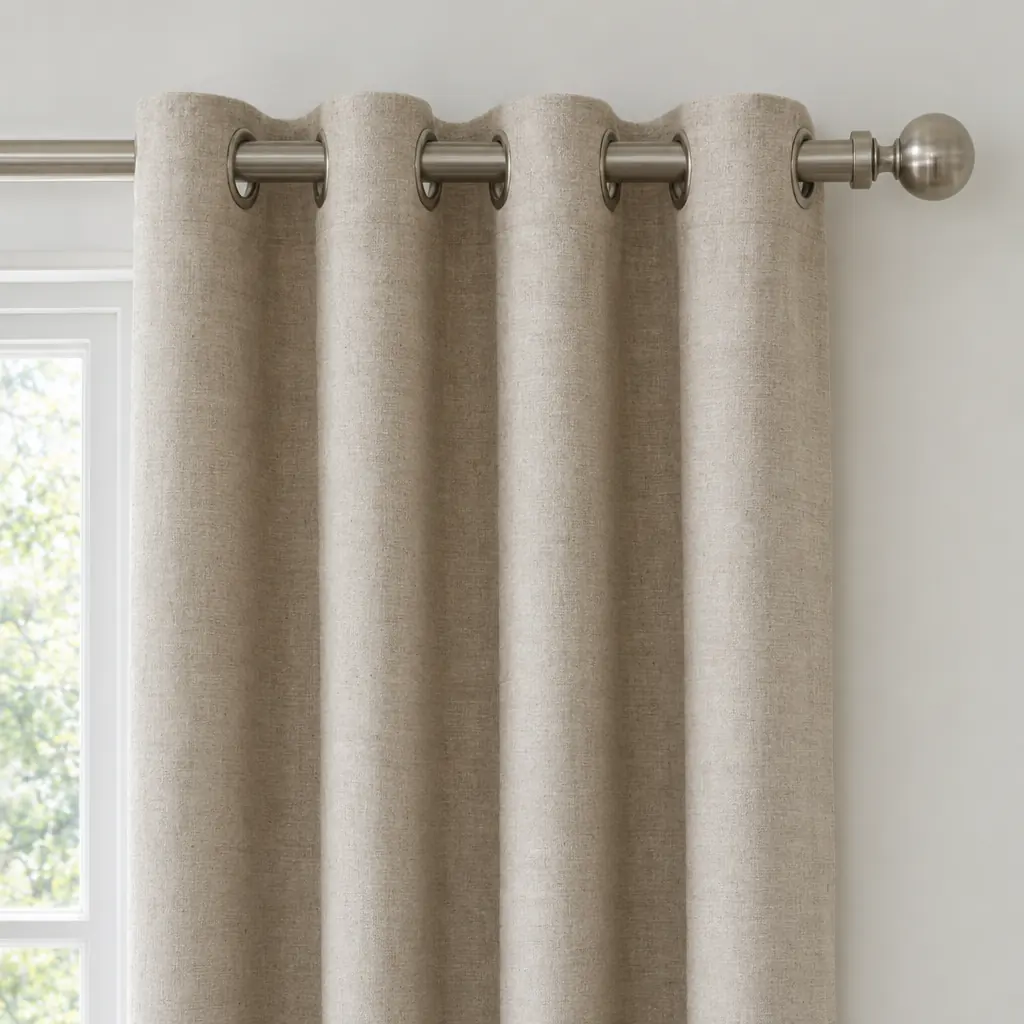
1. Eyelets
Metal rings through the heading sit straight on the pole, with no hooks or gliders in between — very little to catch or snag.
Your advisor brings samples of every option to your window, so you can see and feel them before you choose.
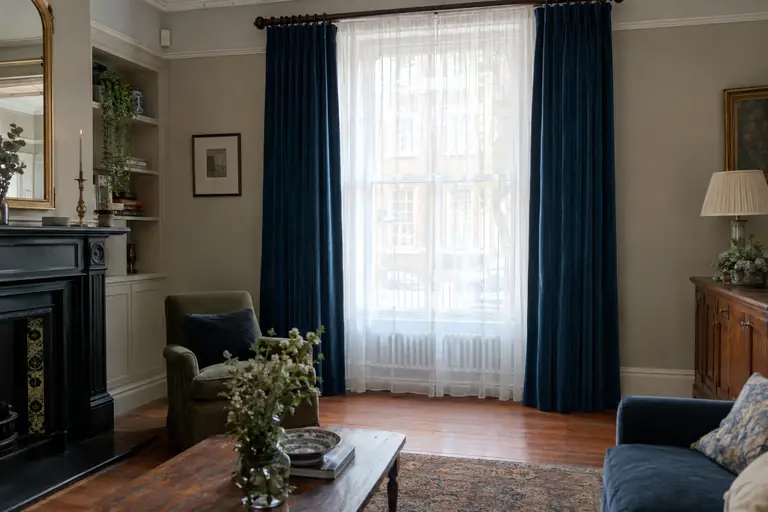

Autumn
The evenings are drawing in
Now's the time to sort the windows you've been meaning to do — blackout for the bedrooms, warmer layers for the living room. An advisor brings the samples to your windows, free.
Reviews
What our customers say
What reviewers mention most
- Outstanding service and quality consistently praised by customers.
- Quick installation and friendly, respectful staff enhance the customer experience.
- Wide range of materials available at competitive prices.
An automated summary of our Google reviews.
What reviewers mention most
- Outstanding service and quality consistently praised by customers.
- Quick installation and friendly, respectful staff enhance the customer experience.
- Wide range of materials available at competitive prices.
An automated summary of our Google reviews.
Why our curtains service is right for you
01
Sewn to your drop, not a size chart
Shop-bought curtains come in fixed widths and drops. Ours are cut to the pole or track you actually have, so the hem lands where you want it — at the sill, below it, or just breaking on the floor.
02
Enough fabric to hang properly
A curtain that looks thin is nearly always a curtain that was not given enough width. We work to a proper fullness for the heading you choose, so the folds stay deep even when the curtains are drawn.
03
The lining does the hard work
Standard lining for body and drape, blackout for a bedroom, thermal for a cold north wall or a single-glazed bay. The lining decides how the room feels far more than the face fabric does.
04
Poles, tracks and dressing included
We measure the wall rather than just the window, fit the pole or track level, then hang and dress the curtains so the pleats set in from the first day.
Finance options available. We offer flexible ways to pay so a whole-house refresh doesn't have to land in one go. Your advisor will talk you through what's available at your appointment.
Ask an advisorHow our service works
Three steps, and we handle all of them
 01
01Book an appointment
Pick a day that suits you. It takes a minute, costs nothing, and there's never any pressure to buy.
 02
02We come to you
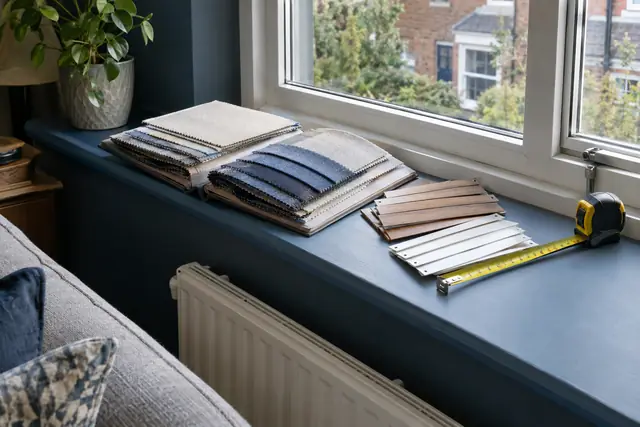
Your advisor brings the full range, helps you choose for each window, measures precisely and quotes on the spot.
 03
03We fit it for you
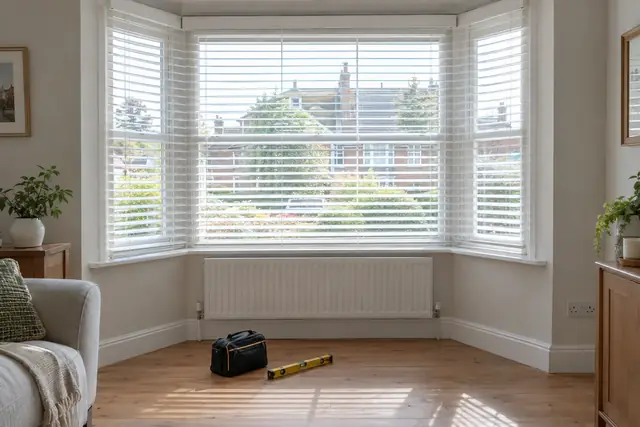
Once your order is made, our own fitter installs it, squares it up and takes the packaging away.
More ways to browse curtains
Book a free home appointment
An advisor comes to you with the full range, measures precisely and prices the job on the spot. It costs nothing and there's no pressure to buy.
Explore the range
What people hang behind them
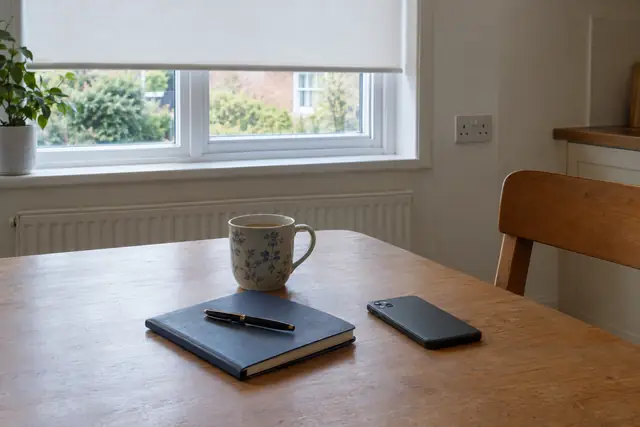
Plenty of rooms end up with a blind as well as a curtain — for blackout, for daytime privacy, or simply because a radiator or window seat rules out a full drop.
Narrow it down
Shop curtains by colour
Curtains: your questions answered
Headings, linings, poles and pairing curtains with a blind on the same window.
Which curtain heading should I choose?
Eyelet curtains run straight onto a pole and fall in deep, even waves — the simplest to draw. Pencil pleat is a gathered tape that works on a pole or a track. Pinch pleat is hand-formed in groups and stitched, which is the most tailored look and stacks tightest. Wave hangs from a track in a continuous S-curve and suits large modern windows.
What difference does the lining make?
A standard lining protects the fabric and improves how it hangs. Thermal lining measurably helps a cold or draughty room. Blackout lining is what you want in a bedroom. Interlining adds weight and body for a heavier, more expensive drape.
Do you supply the poles and tracks?
Yes, and your fitter puts them up. Getting the pole height and width right is part of the job — curtains that clear the sill and stack off the glass need the pole set beyond the opening.
Can I have curtains and a blind on the same window?
Very common. A slim roller or roman inside the reveal gives you blackout and privacy, with curtains face-fitted outside it for warmth and dressing. Your advisor will check the reveal is deep enough for both to work.
Is fitting included in the price?
Yes. The quote you are given covers the product, the fitting and the guarantee. Your fitter hangs everything, checks the operation with you and takes the packaging away.
How is a quote worked out?
By the size of each opening, the product and fabric you choose, the heading or mechanism, and any motorisation. Because everything is made to your measurements there is no single list price — you get a written figure on the day, itemised per window, with the fitting and guarantee included.
What guarantee do I get?
A 1-year guarantee on every blind, shutter and motor we supply and fit. If something goes wrong inside that period, ring the office and we come back out.
More answers in our full FAQ, or book a free measure and ask an advisor.
Where we fit curtains
Measuring and fitting are included everywhere we visit. Each county page lists its towns and the days our advisors are in the area.
Related pages
Ideas for your windows, now and then
Style guides, new fabric arrivals and first word on seasonal offers. A couple of emails a month at most — unsubscribe whenever you like.