
Shutters
Coloured shutters, made to measure
Shutters are the one window covering that becomes part of the building. Frames are templated to your openings — including the bays, arches and angles that defeat a blind — then built in hardwood or waterproof faux wood, finished in the colour you choose and hung by a shutter fitter rather than a general installer.
Buying guide: Plantation shutters: a complete buying guide · 9 min read
4.82,192 Google reviews- Price promise
- Same product, same service — find it cheaper and we'll match it.
- Measuring & fitting included
- Our own fitter measures and installs. No DIY, no surprise charges.
Start with the style
Six ways to shutter a window
The style decides how much of the window you can open independently, and how much light you keep when the louvres are closed. Pick one to filter the ranges below.
Full-height
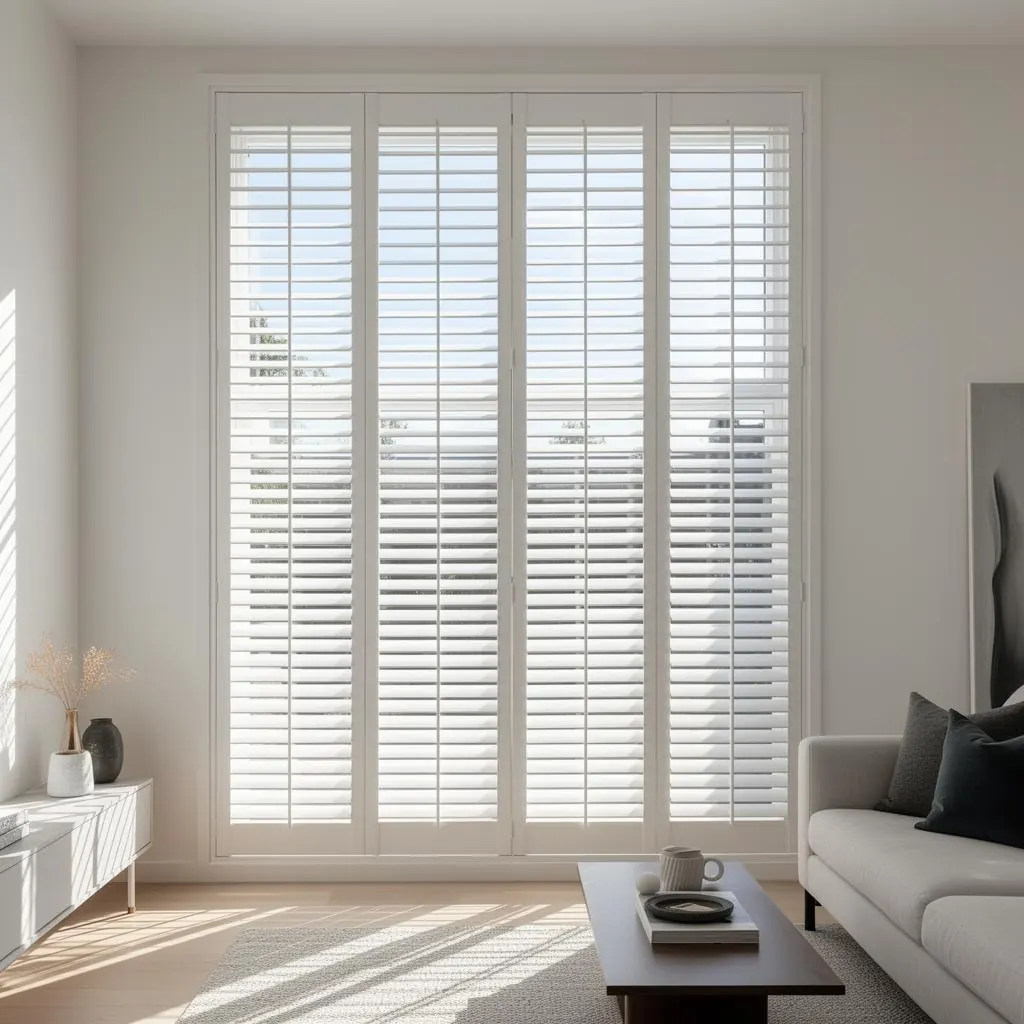
One run of louvres from sill to head. The cleanest look, and the style most modern windows end up with.
Café-style
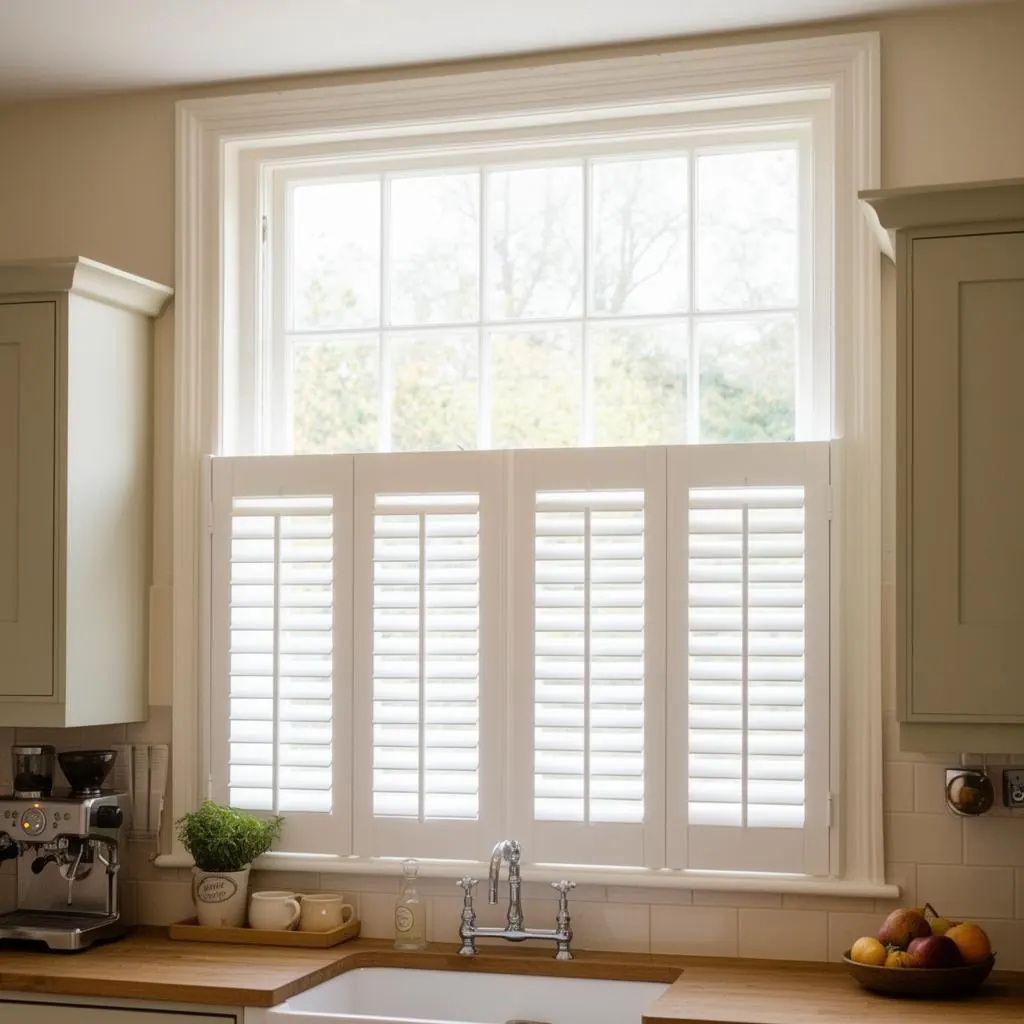
Louvres across the bottom half only. Privacy from the pavement while the top of the window carries on doing its job.
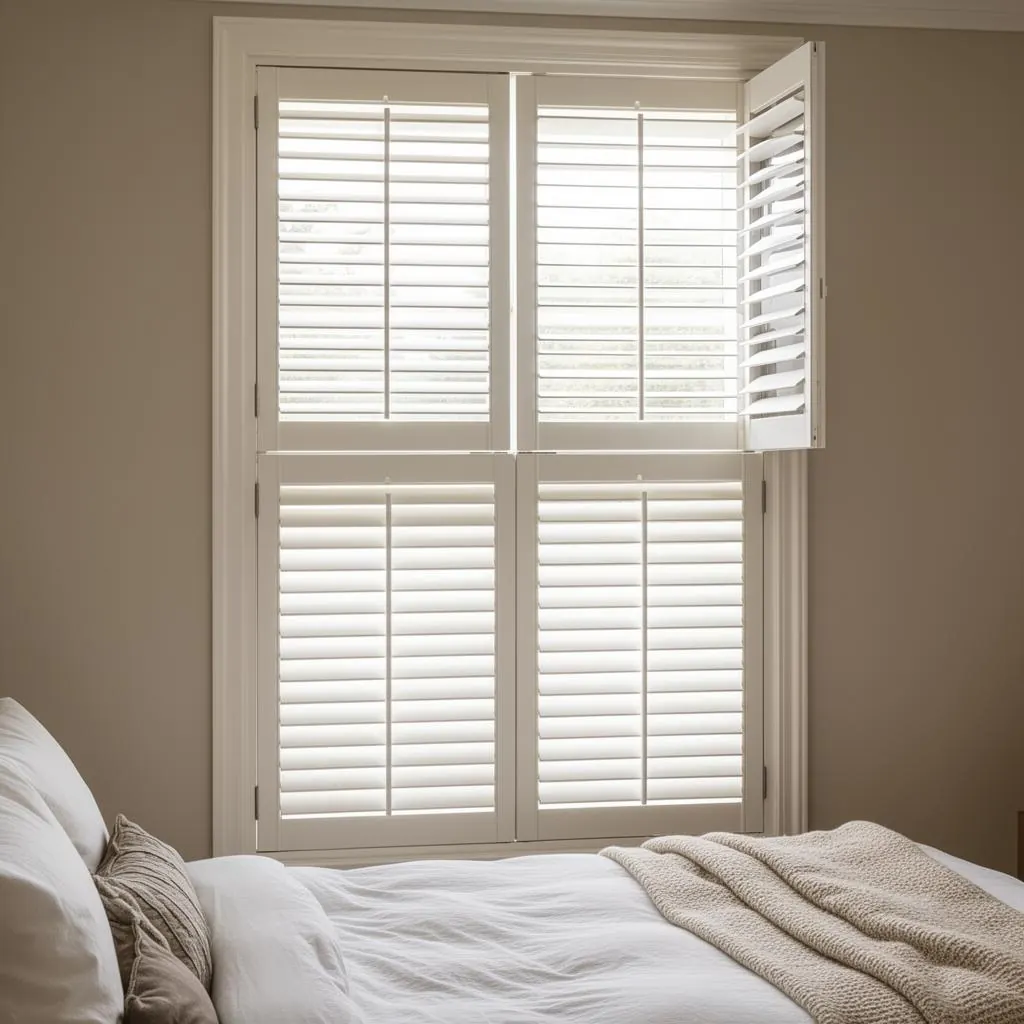
Tier-on-tier
Two independent sets of panels. Open the top for light, keep the bottom closed — the usual answer for a front room on a street.
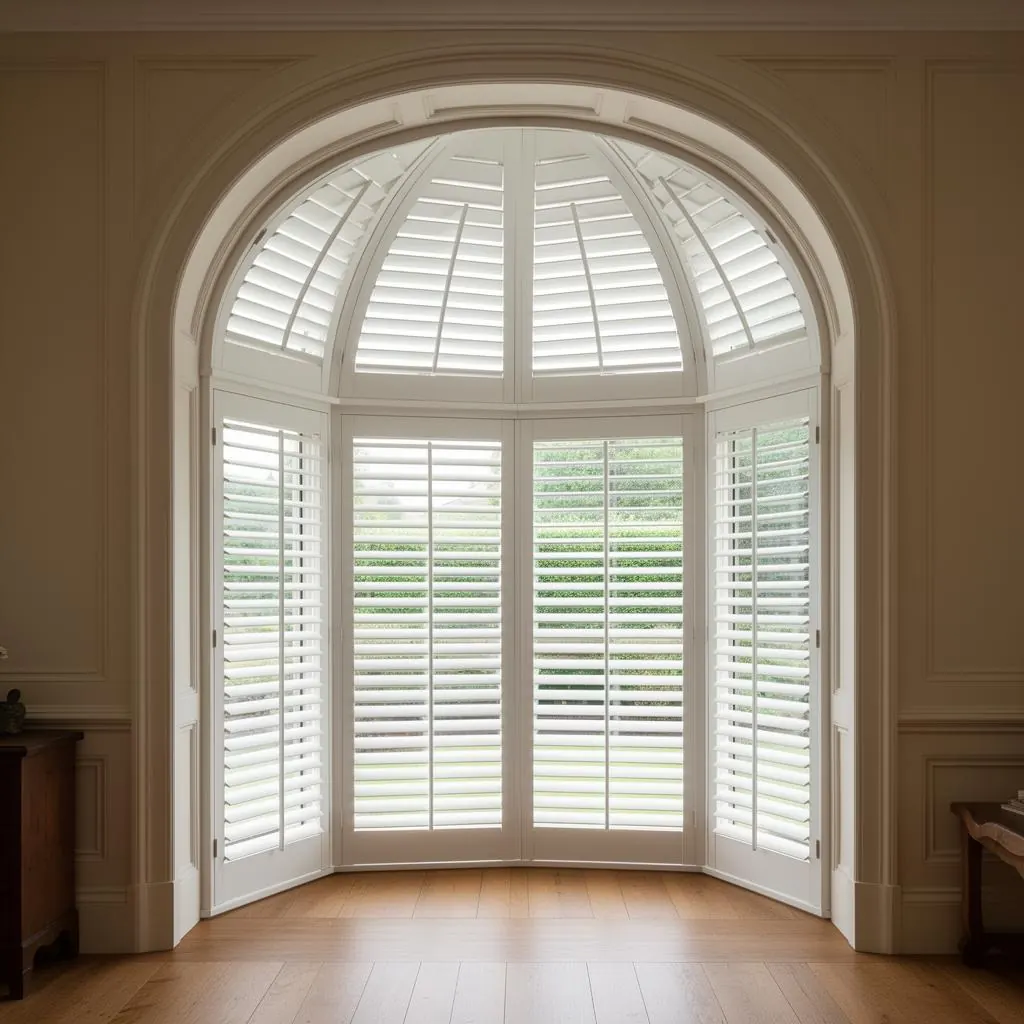
Shaped
Arches, angles, gable ends and bay returns, templated to the opening rather than squeezed into a rectangle.
Solid panel
Raised panels instead of louvres. Period rooms, box sashes, and the darkest thing we make for a window.
Tracked door
Panels that slide and stack along a track — for wide patio runs, bi-folds and open-plan room dividers.
Coloured shutters
Showing 24 of 26 · Coloured shutters





Explained
Coloured shutters, explained
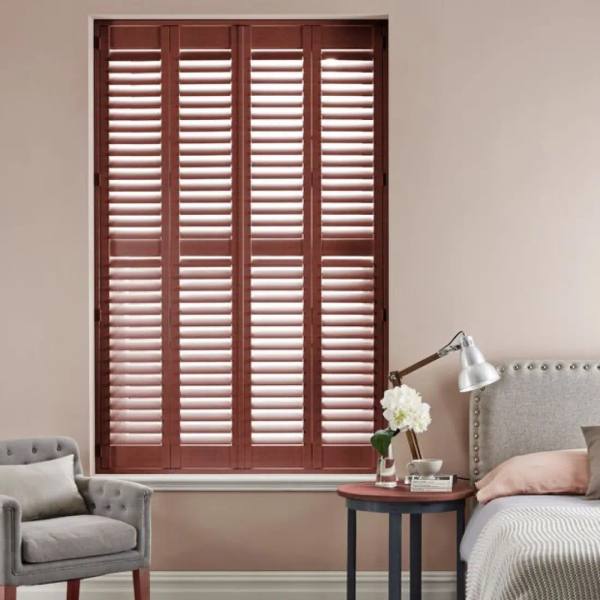
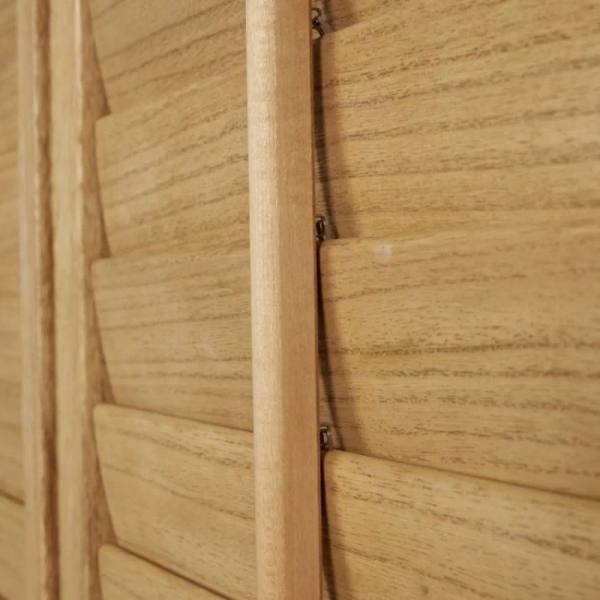
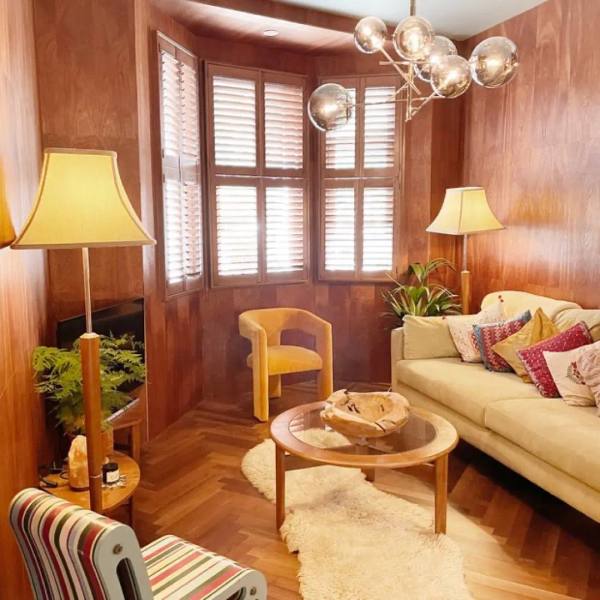
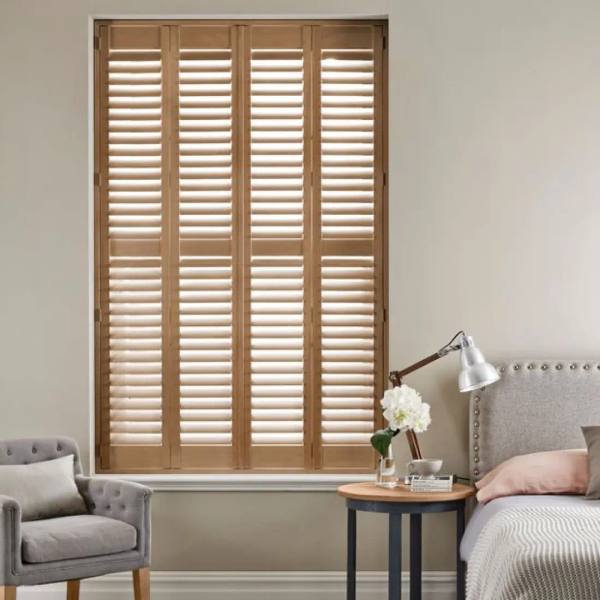
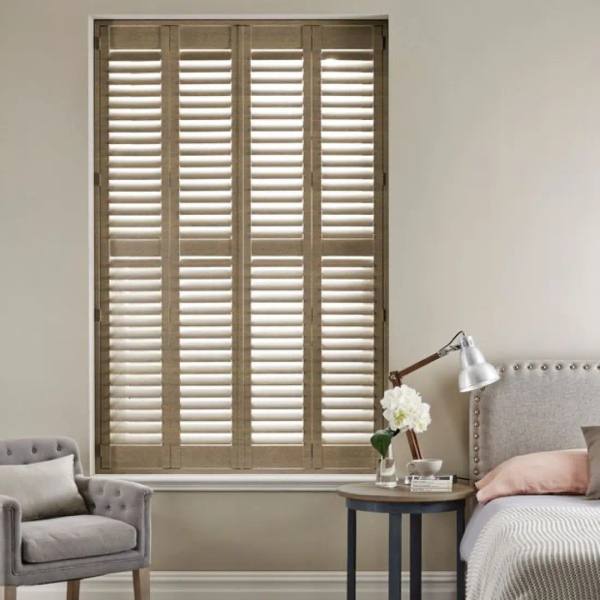
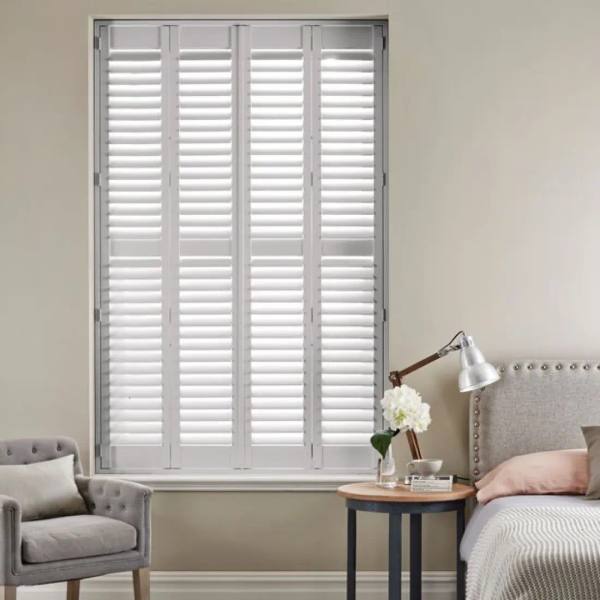
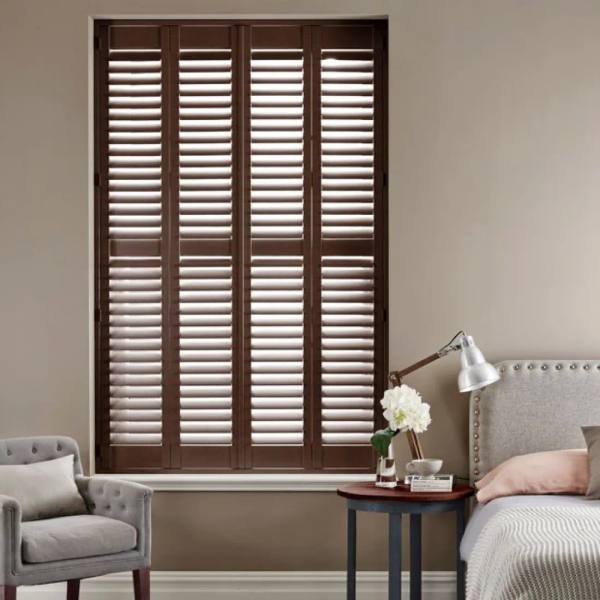
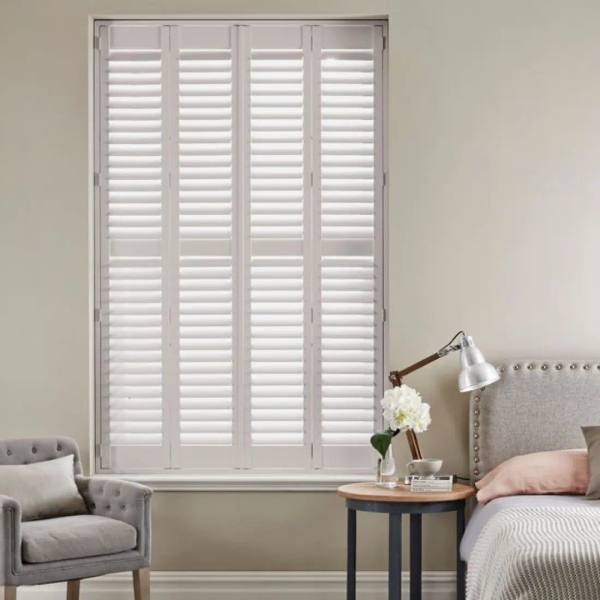
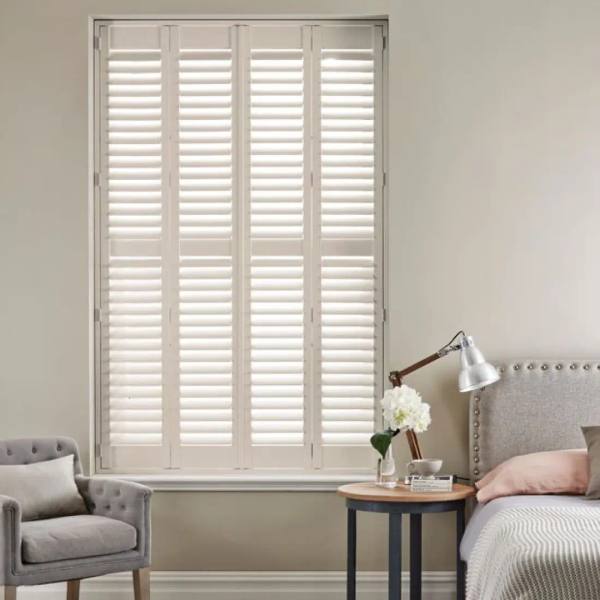
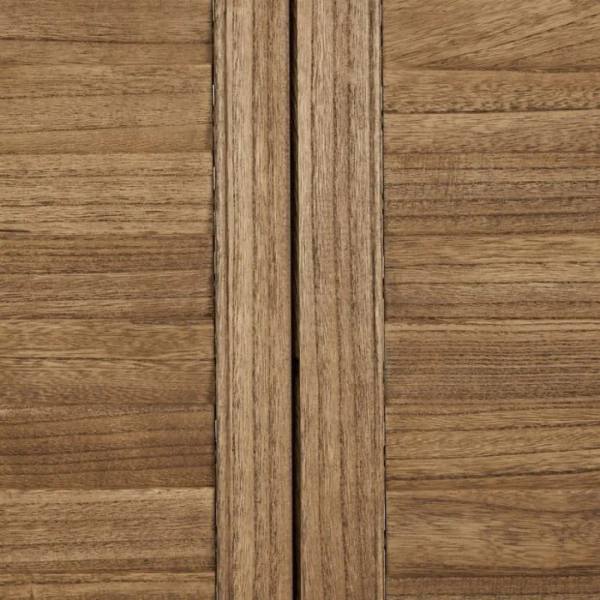
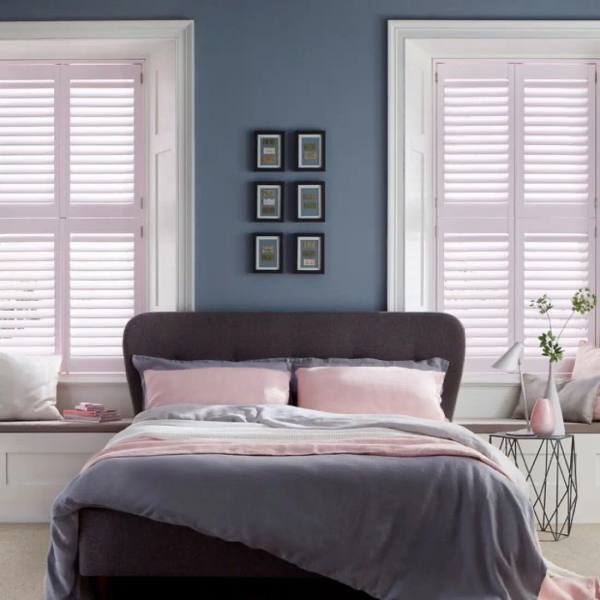
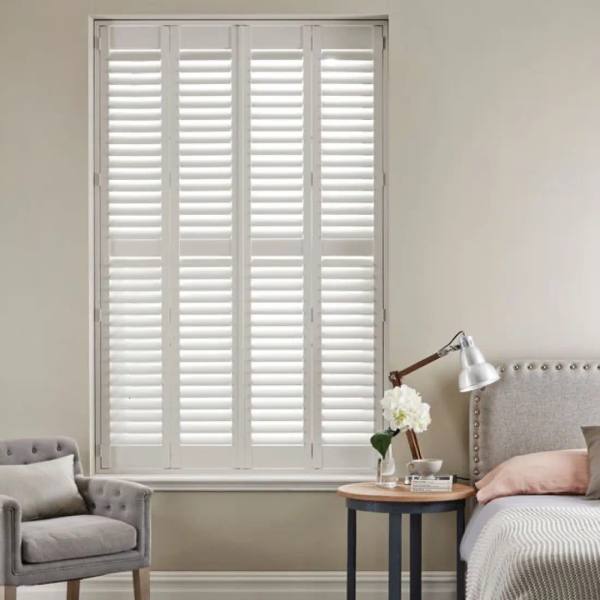
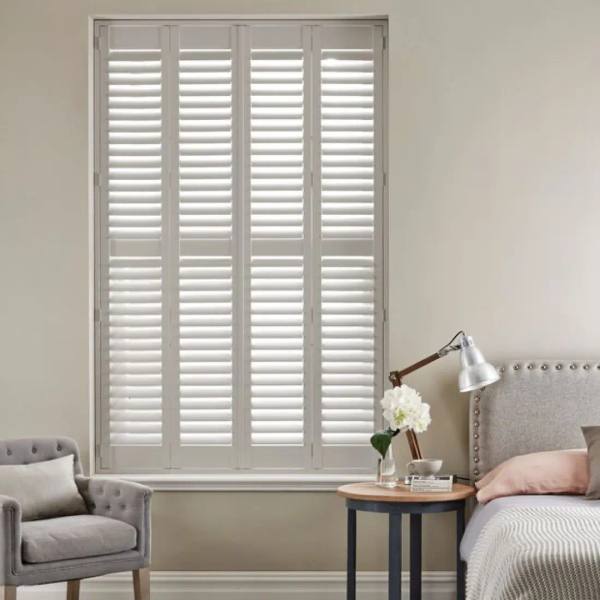
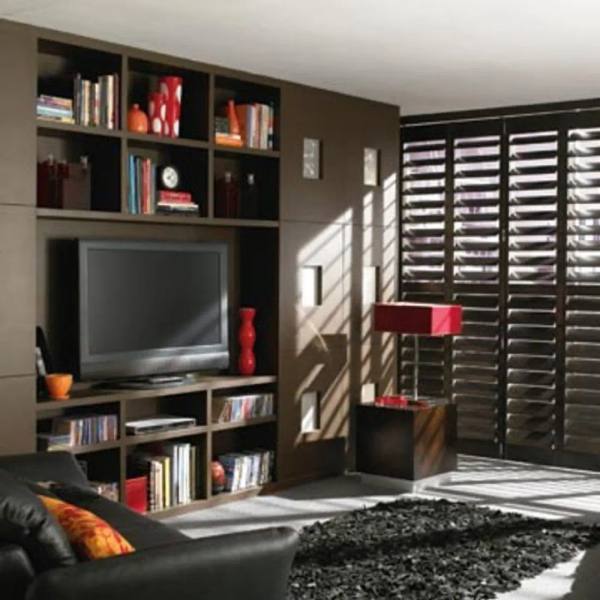
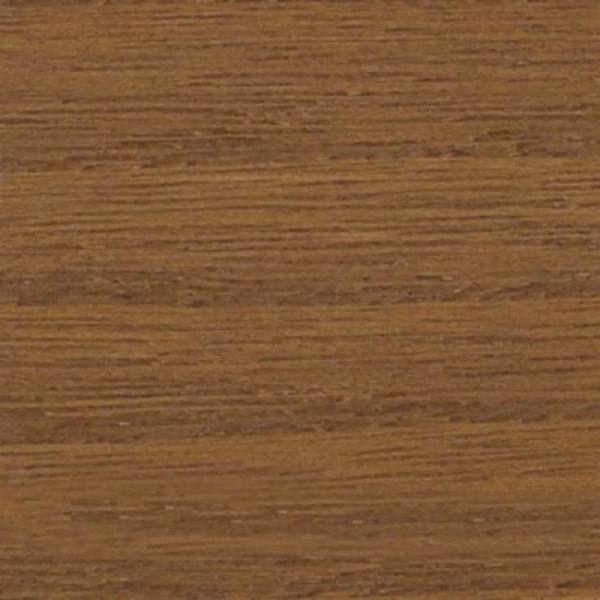
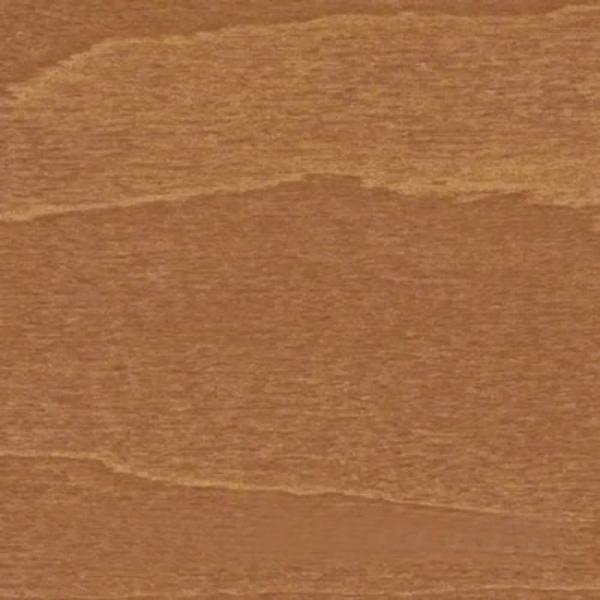
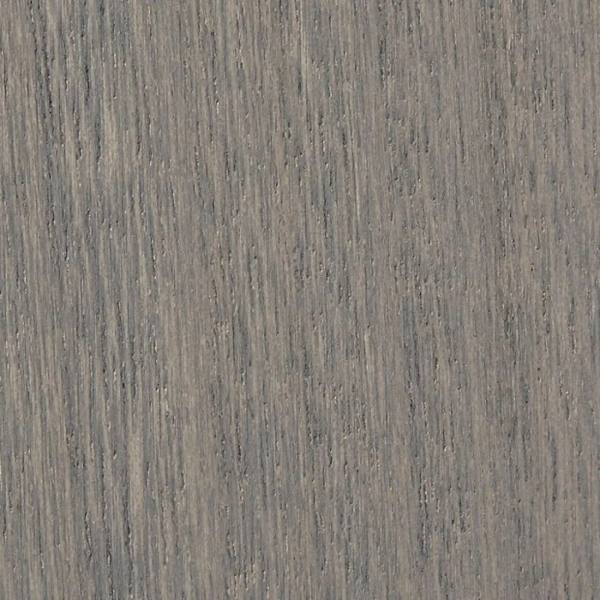
Coloured shutters are made-to-measure interior shutters chosen for their painted or stained finish as much as their light control. This filter covers a broader palette than plain white, including soft neutrals, blues, pinks, charcoal shades and wood-grain browns. You still choose the shutter style to suit the window — such as café style, full height, shaped or solid panels — then pick a colour that sits comfortably with the room. Because shutters have adjustable louvres or solid panels, the finish remains visible day to day, so colour makes a noticeable difference to how formal, warm or quiet the room feels.
These shutters suit schemes that want more character than standard white. Soft painted shades work well in quieter interiors, while deeper browns and charcoal tones give a more traditional or furniture-like feel.
Best for
- Adding colour without using fabric or cords
- Bathrooms, kitchens and bay windows where a neat fitted look matters
- Rooms that suit either painted neutrals or deeper wood tones
- Homes where adjustable privacy and light matter through the day
Worth knowing
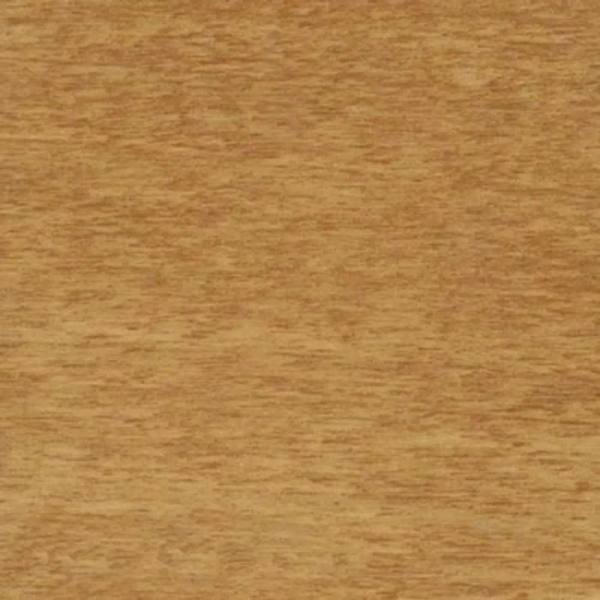
- Some sample names and swatches do not seem to match the written colour description, so check the actual finish at appointment
- Darker colours and stronger wood tones tend to read more prominently across a whole window wall
- The right shutter material for bathrooms and wet rooms depends on the room, so ask your advisor to confirm on the day
How to choose
- 1
Start with painted versus wood-grain
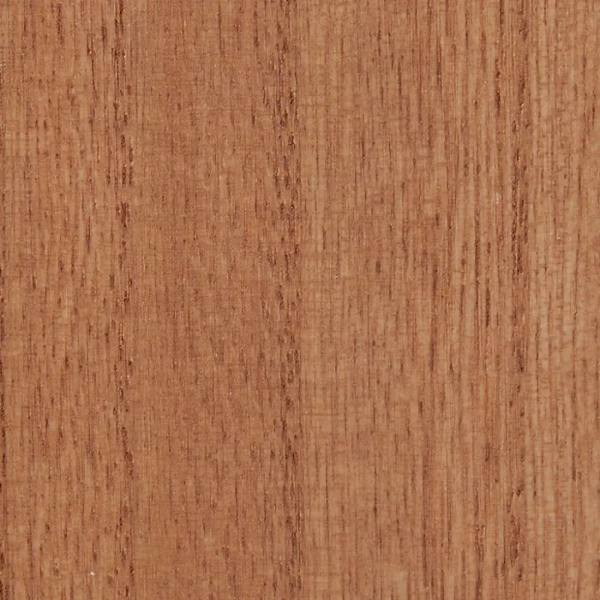
This filter includes both smooth painted finishes and wood-grain looks. Painted colours feel cleaner and more uniform, while grain finishes show more texture and warmth. Decide first whether you want the shutter to blend into the woodwork or behave more like a piece of furniture.
- 2
Match the colour to the amount of shutter on show
Full height shutters put the most colour into a room, while café style leaves the top of the window open and shows less of the finish. If you like a bolder shade, using it on a smaller shuttered area can feel easier to live with.
- 3
Think about room use as well as colour
Bedrooms and living rooms often suit richer tones or warmer wood effects, while bathrooms and kitchens usually benefit from practical materials and simpler painted finishes. Your advisor can hold samples in the room’s own light and confirm which material suits that window.
Coloured shutters: questions people ask
Are these shutters all bright statement colours?
No. In this filter you are more likely to see muted painted shades, charcoals, soft blues, pink-led neutrals and a good number of wood-grain browns. Some options read almost as a neutral from a distance, while others make more of a feature of the window.
Can I get the same colour in different shutter styles?
Usually, yes. The sample ranges shown here appear across styles such as café style, full height, shaped and solid shutters. Availability can vary by range and window shape, so your advisor will confirm what works for your opening when they measure.
Do coloured shutters work in bathrooms?
They can, provided the material suits the room. This filter includes colours shown for bathroom shutters, but the best option depends on moisture levels and the window position. Your advisor can confirm the suitable material and finish for a bathroom or wet room on the day.
Will a darker shutter make the room feel smaller?
It can feel more noticeable than a pale painted finish, simply because shutters cover a fixed part of the window area. That does not automatically make a room feel small, though. Café style or tier-on-tier layouts can help keep the overall look lighter while still using a deeper tone.
How do I check the true colour before ordering?
The safest way is to see the sample in your own room. At a free home appointment, the advisor brings the range, holds samples at the window in your own light and leaves a written quote. That matters with coloured shutters, because paint and wood-grain tones can shift noticeably between rooms.
How it's made
How full-height shutters work
Tap a number to see what each part does, and what you'll be choosing at your appointment.
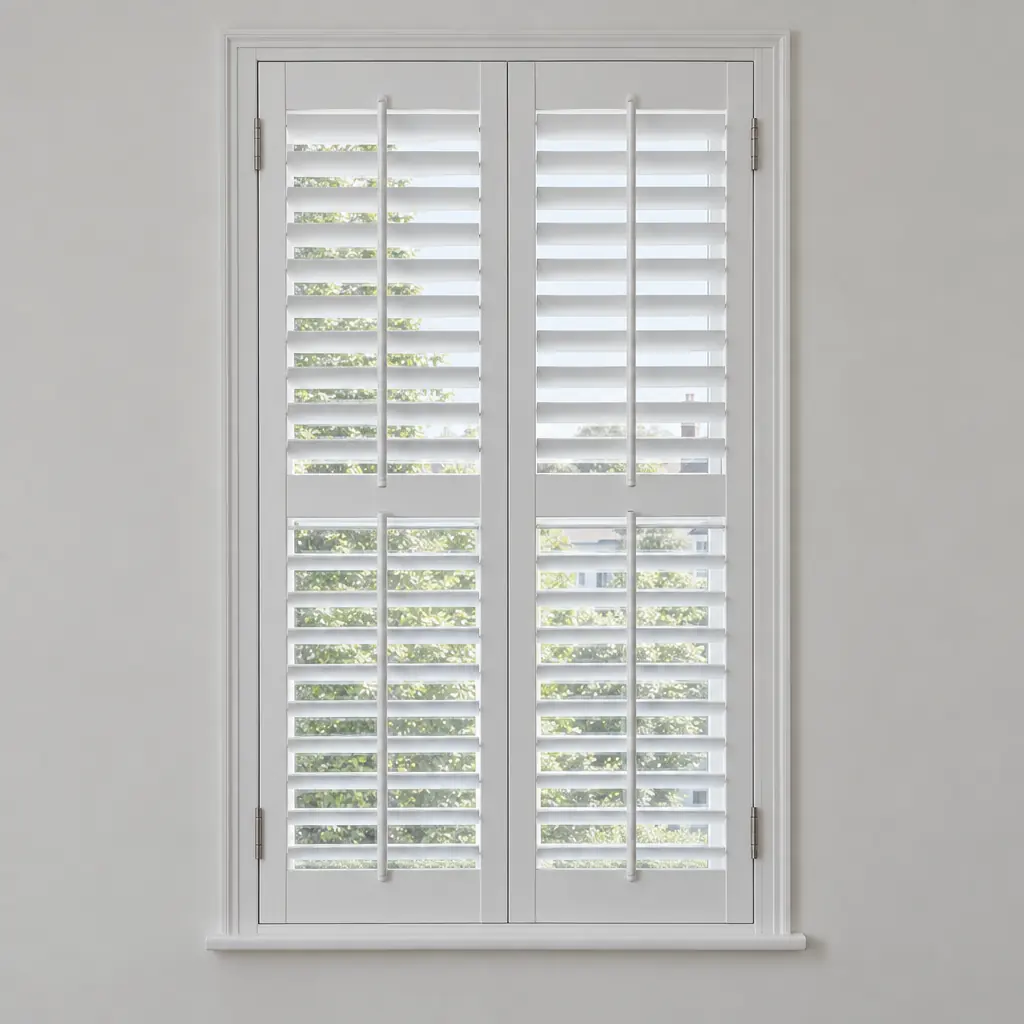
1. Louvres
Tilt them for light and privacy, or open the panels for the full view.
Your advisor brings samples of every option to your window, so you can see and feel them before you choose.
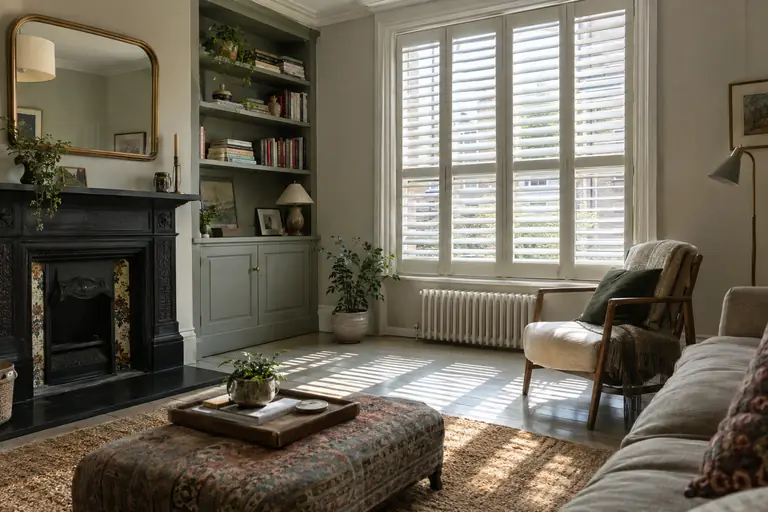

Autumn
The evenings are drawing in
Now's the time to sort the windows you've been meaning to do — blackout for the bedrooms, warmer layers for the living room. An advisor brings the samples to your windows, free.
Reviews
What customers say about their shutters
What reviewers mention most
- Outstanding service and quality consistently praised by customers.
- Quick installation and friendly, respectful staff enhance the customer experience.
- Wide range of materials available at competitive prices.
An automated summary of our Google reviews.
What reviewers mention most
- Outstanding service and quality consistently praised by customers.
- Quick installation and friendly, respectful staff enhance the customer experience.
- Wide range of materials available at competitive prices.
An automated summary of our Google reviews.
Why our shutter service is right for you
01
Surveyed before anything is ordered
A shutter frame has to sit square in an opening that almost never is. We survey the window properly, record where it runs out, and build the frame to the opening you actually have.
02
Louvre width changes everything
A wider louvre means fewer blades across the window and more glass when they are open. A narrower one reads finer and more traditional. Both are worth seeing at full size before you commit.
03
Material matched to the room
Hardwood for living rooms and bays. Faux wood or waterproof ABS for bathrooms and en-suites, where steam would eventually move real timber and lift a painted finish.
04
Fitted, adjusted and guaranteed
Our own fitter hangs the panels, sets the tension so the louvres hold their angle, and covers the frame, louvres and finish under our 1-year guarantee.
Finance options available. We offer flexible ways to pay so a whole-house refresh doesn't have to land in one go. Your advisor will talk you through what's available at your appointment.
Ask an advisorWorth knowing
What actually decides the price
Shutters are quoted by the opening, not by the metre, and three things move the number more than the fabric of the room ever will.
Material
Engineered and faux wood sit at the accessible end and cope with damp rooms. Hardwood costs more, takes a finer paint finish and allows wider panels without a mid-rail across the middle of the view.
Shape of the opening
A square reveal is straightforward. A splayed bay, an arch or a gable end has to be templated on site and built as a set, which is where the survey earns its keep — get it wrong and the frame simply will not close.
How it opens
Full-height panels are the simplest build. Tier-on-tier doubles the number of hinged panels and frames, and a tracked run adds the track and carriers, so both sit above a like-for-like full-height quote.
How our service works
Three steps, and we handle all of them
 01
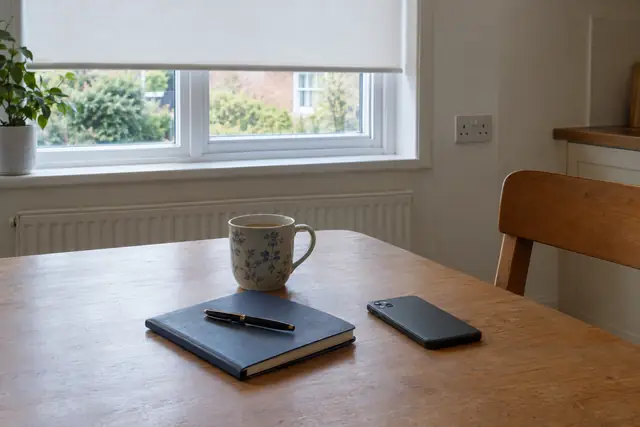
01Book an appointment
Pick a day that suits you. It takes a minute, costs nothing, and there's never any pressure to buy.
 02
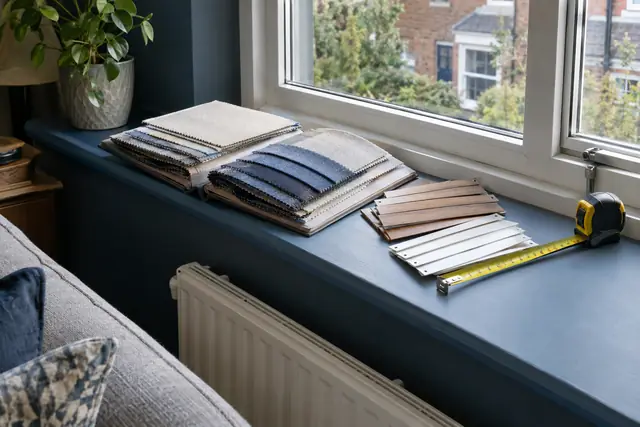
02We come to you
Your advisor brings the full range, helps you choose for each window, measures precisely and quotes on the spot.
 03
03We fit it for you
Once your order is made, our own fitter installs it, squares it up and takes the packaging away.
Book a free home appointment
An advisor comes to you with the full range, measures precisely and prices the job on the spot. It costs nothing and there's no pressure to buy.
Explore the range
If shutters are not quite right
Shutters are a permanent change to the opening and are priced accordingly. On some windows a blind does the same job better — your advisor will say so rather than sell you a frame you do not need.
Shutters: your questions answered
Styles, materials, how shutters compare with blinds and what fitting day looks like.
What shutter styles are there?
Full height covers the whole window in one or more panels. Café style covers the bottom half only, so you keep privacy at street level and light above. Tier-on-tier splits into independent top and bottom panels, so you can open one and keep the other closed. Shaped panels follow arched, angled and gable windows.
Why choose shutters over blinds?
Shutters are fitted furniture rather than a soft covering: they follow the reveal, add insulation and security, need no cords, and are the usual choice in conservation streets and period properties where a blind would hang in front of a frame worth showing.
Which shutter material should I pick?
Hardwood for the finest grain and the largest panels. Engineered wood for stability at a lower price. Waterproof ABS or vinyl for bathrooms and wet rooms. Your advisor matches the material to the room and the span.
How long do shutters take to fit?
A shutter installation takes longer than a blind because each frame is fixed and levelled to the opening — a typical room is a morning's work. Your fitter tidies and takes the packaging away when they are done.
What is the difference between a recess fit and a face fit?
A recess fit sits inside the window opening, so the frame and reveal stay visible and the blind looks built in. A face fit is mounted on the wall or frame outside the opening, which covers the frame completely, blocks more light at the edges and suits shallow reveals. Your advisor holds both against the wall so you can see the difference before choosing.
What guarantee do I get?
A 1-year guarantee on every blind, shutter and motor we supply and fit. If something goes wrong inside that period, ring the office and we come back out.
More answers in our full FAQ, or book a free measure and ask an advisor.
Where we fit shutters
Measuring and fitting are included everywhere we visit. Each county page lists its towns and the days our advisors are in the area.
Related pages
Ideas for your windows, now and then
Style guides, new fabric arrivals and first word on seasonal offers. A couple of emails a month at most — unsubscribe whenever you like.